

Fabric shrinkage is one of the most overlooked challenges in garment manufacturing. It can lead to misaligned patterns, wasted material, and inconsistent sizing. If you want to prevent fabric shrinkage before cutting, you need to understand what causes it and how to control it.
Let’s explore practical ways to reduce shrinkage and improve cutting accuracy — without adding complexity to your workflow.
Why Does Fabric Shrink?
Shrinkage happens when fibers contract due to heat, moisture, or mechanical stress. Natural fabrics like cotton, rayon, and linen are especially prone to this. Even synthetic blends can shrink slightly under certain conditions.
When fabric is cut before it stabilizes, the final garment may twist, pucker, or lose its intended shape. That’s why it’s essential to prevent fabric shrinkage before cutting — not after.
Pre-Shrinking vs. Relaxing: What’s the Difference?
Pre-shrinking involves washing or steaming the fabric before cutting. While this method works, it’s often inconsistent and time-consuming. Relaxing, on the other hand, allows the fabric to settle naturally. It reduces internal tension caused by rolling, folding, or transport.
For knitwear and stretch fabrics, relaxing is especially effective. It helps prevent fabric shrinkage before cutting by allowing fibers to return to their natural state.
5 Proven Ways to Prevent Fabric Shrinkage Before Cutting
1. Use a Fabric Relaxing Machine
A fabric relaxing machine gently unwinds and settles the fabric. It reduces tension and helps stabilize the material. This is one of the most reliable ways to prevent fabric shrinkage before cutting in high-volume production.
2. Control Room Conditions
Humidity and temperature affect fiber behavior. Keep your cutting room at a consistent humidity level (around 60–70%) and avoid sudden temperature changes.
3. Let Fabric Rest
If you don’t have a relaxing machine, lay the fabric flat and let it rest for 12–24 hours. This passive method still helps reduce shrinkage and curling.
4. Test Shrinkage Rates
Before bulk cutting, test a small swatch. Wash or steam it, then measure the change. This helps you adjust your cutting patterns and prevent shrinkage before cutting large batches.
5. Avoid Immediate Cutting
Fabric fresh off the roll is often under tension. Give it time to settle before cutting to avoid distortion and waste.
Why It Matters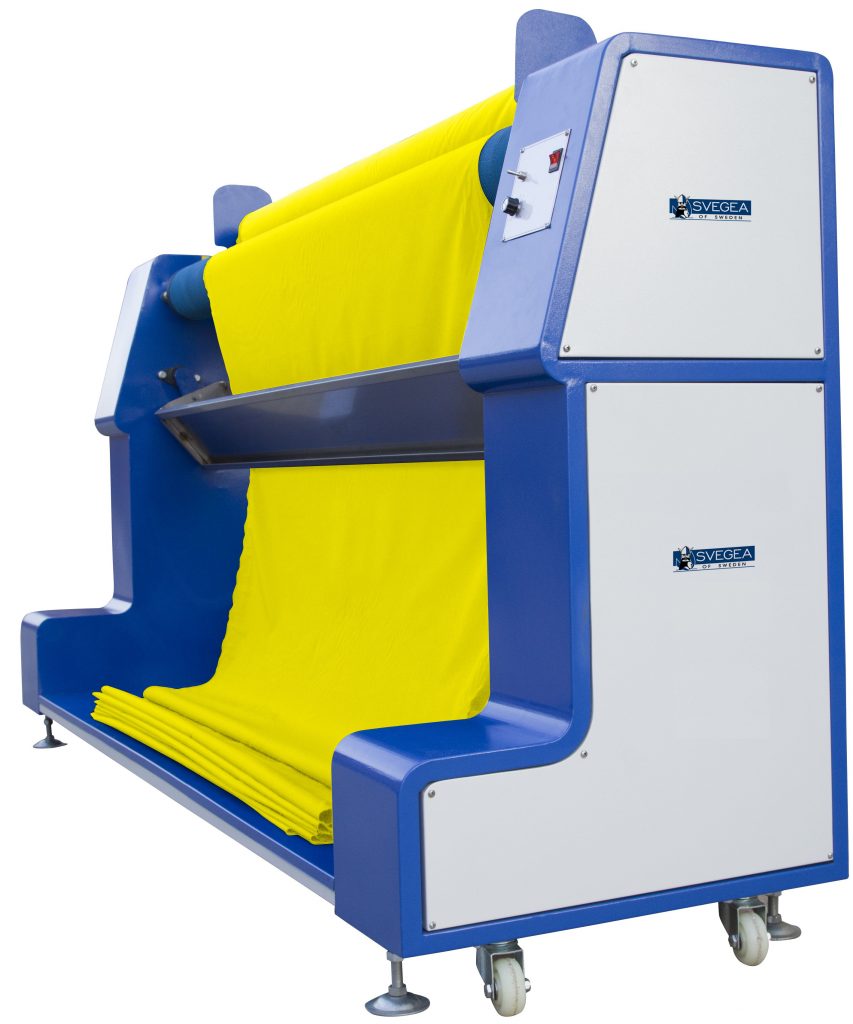
Controlling fabric shrinkage before cutting is essential for consistent garment quality. Shrinkage can distort patterns, misalign seams, and lead to costly rework. By stabilizing fabric early—through relaxing, resting, or testing—you reduce waste and improve production accuracy. This not only protects your materials but also strengthens your brand’s reliability. Manufacturers who take shrinkage seriously deliver better-fitting garments and fewer returns. In a competitive market, precision matters. Starting with properly prepared fabric sets the tone for everything that follows.
Integrating Fabric Relaxing System
Want to improve cutting accuracy and reduce waste? Start by integrating fabric relaxing into your workflow. Whether through manual rest periods or automated systems, the results will speak for themselves.
Many manufacturers now rely on purpose-built equipment like fabric relaxing machines to stabilize material before cutting. These systems gently release tension in the fabric, helping reduce shrinkage and distortion. One example is the CR-210 Fabric Relaxing Machine, which is designed to support high-volume production environments where consistency is key.
By making fabric relaxation a standard part of your process, you set the stage for cleaner cuts, better fit, and fewer production errors.
For a product demo or expert guidance, email Håkan Steene at h.steene@svegea.se
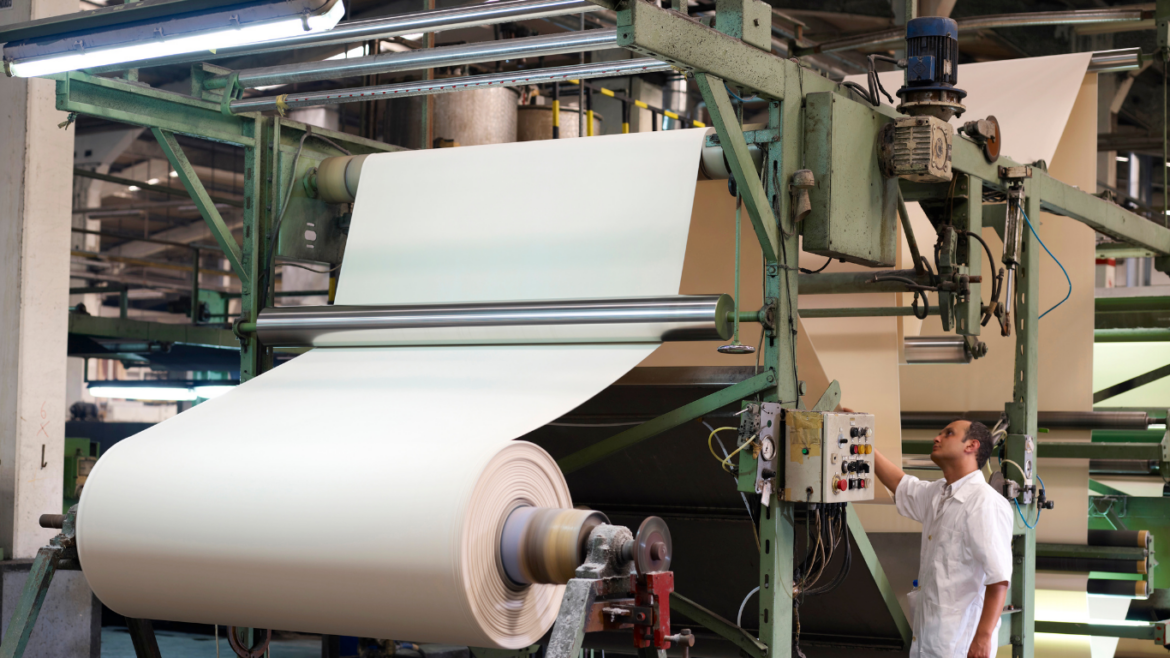
Garment factories across India, Bangladesh, Vietnam, and South America are facing a new reality. Global demand is rising, lead times are shrinking, and buyers expect consistent quality at competitive prices. To stay ahead, manufacturers must rethink how they produce — and that starts with smarter machines.
One of the most effective ways to improve efficiency is by investing in intelligent textile machines for apparel production. These machines don’t just automate tasks. They optimize them. From slitting tubular knits to cutting collarettes, intelligent systems help reduce waste, speed up output, and increase return on investment.
The Hidden Cost of Manual Processing
Many factories still rely on manual or semi-automated systems for fabric preparation. While this may seem cost-effective at first, it often leads to:
- Uneven cuts and inconsistent sizing
- Higher fabric waste
- Slower production cycles
- Increased labor fatigue and errors
These issues add up. Over time, they affect profitability, delivery timelines, and customer satisfaction.
Smarter Machines, Better Results
Intelligent textile machines for apparel production solve these problems with precision and consistency. They’re designed to handle high volumes with minimal supervision, making them ideal for export-driven factories and fast fashion suppliers.
Take the Svegea TSO 380 Tubular Knit Slitter, for example. This machine is built for speed and accuracy. It slits tubular knitted fabrics open with clean edges, ready for further processing. It’s easy to operate, requires minimal maintenance, and integrates smoothly into existing production lines.
Efficiency That Pays Off
Factories using machines like the TSO 380 report:
- Up to 15% reduction in fabric waste
- Faster turnaround times
- Fewer production errors
- Lower labor costs
These improvements lead to measurable ROI — often within the first year of installation. That’s why more manufacturers are turning to intelligent textile machines for apparel production as a long-term strategy.
Flexibility and Integration
Modern apparel production demands flexibility. Machines must adapt to different fabric types, styles, and order volumes. The best systems are designed to handle knits, wovens, and technical textiles without constant retooling.
Svegea’s machines are known for their versatility. Whether you’re processing tubular knits or cutting narrow strips, their equipment delivers consistent results across a wide range of materials.
Reliability You Can Count On
Downtime is expensive. That’s why reliability matters. Manufacturers need machines that run smoothly, require minimal maintenance, and come with strong technical support.
Svegea of Sweden has built its reputation on engineering excellence and long-term durability. High-volume factories around the world — including across Asia and Latin America — rely on the intelligent textile machinery backed by responsive teams for support.
Investing in Smart Solutions
The future of garment manufacturing belongs to those who invest in smart, scalable solutions. By integrating intelligent textile machines for apparel production, factories can boost efficiency, reduce waste, and stay competitive in a fast-moving global market.
If you’re ready to upgrade your production line, explore Svegea’s TSO 380 Tubular Knit Slitter and other solutions at www.svegea.se.
For a product demo, email Håkan Steene at h.steene@svegea.se
Factories face three hard truths: fabric costs keep rising, buyers want faster delivery, and sustainability matters to customers and regulators. Improving garment manufacturing efficiency puts these pressures into practical order. Get this right and you cut costs, gain speed, and reduce waste.
Where waste really bites
Small mistakes cost big. A mis-inspected roll can mean meters of unusable fabric. Manual checks slow lines and create rework. Labor shortages and rising wages exacerbate every inefficiency. That is why garment manufacturing efficiency must be a daily focus, not a quarterly idea.
Trends pushing factories to change
Across the industry, manufacturers are adopting digital tools. Marker optimization reduces raw material use. Real-time dashboards track defects. Automation speeds repetitive tasks while freeing people to solve problems. Together, these moves enhance garment manufacturing efficiency and make factories more scalable.
Tools that move the needle
Automation is not a single gadget. It is a set of targeted investments that deliver repeatable gains. Start with quality control. Automated inspection and reliable cutting reduce rework and scraps. Next, connect systems so design files, markers, and production data flow without manual transfers. That reduces setup time and avoids costly mistakes. Focused improvements add up fast when your goal is garment manufacturing efficiency.
Fabric inspection: the unsung hero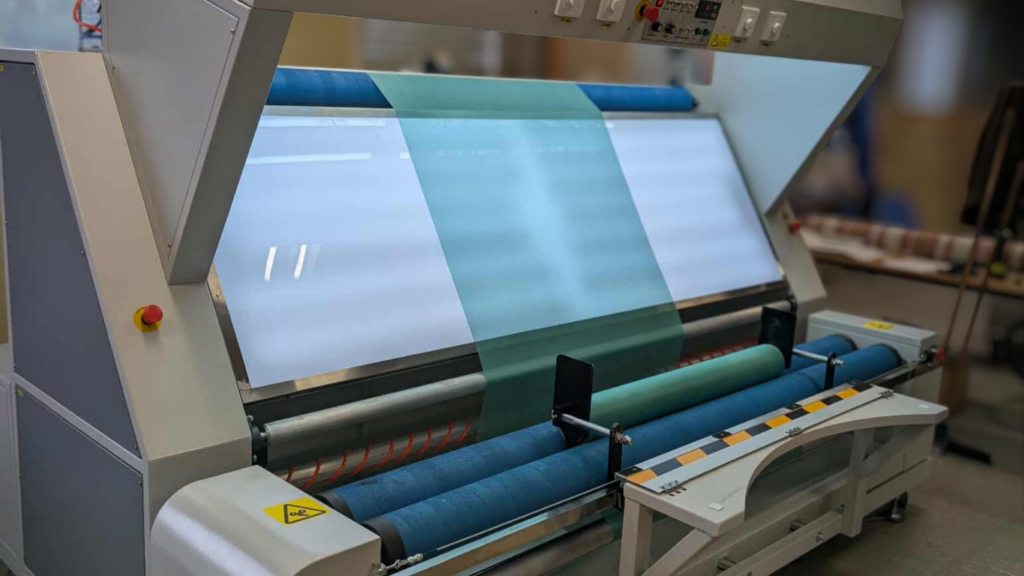
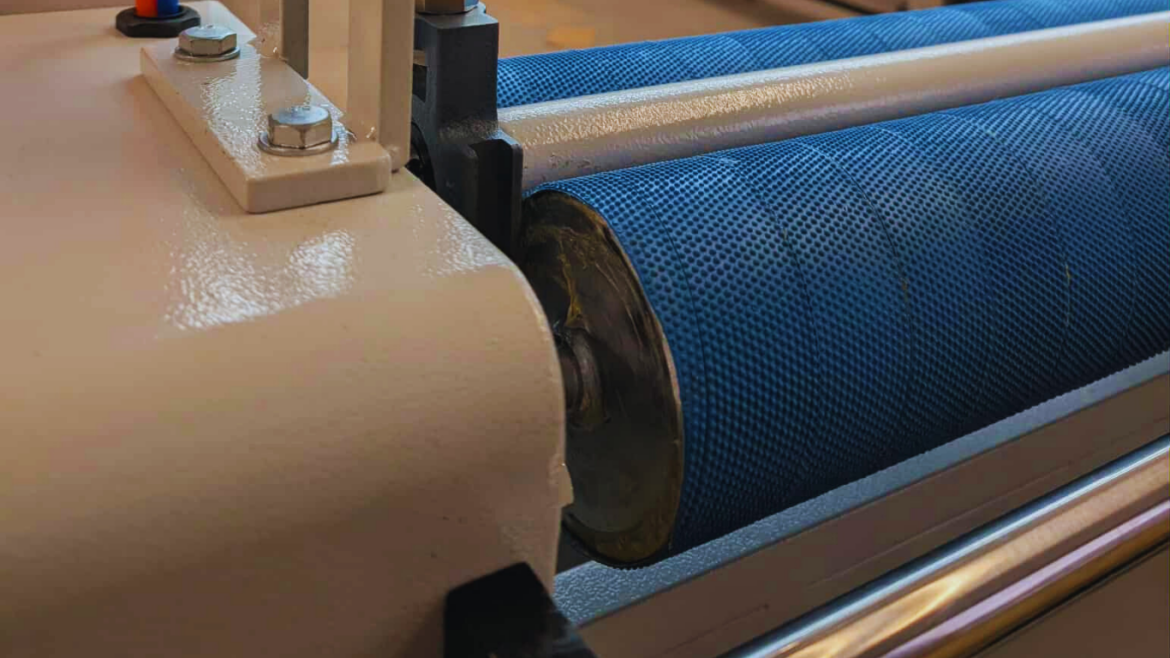
A lot of manufacturers undervalue inspection. A good inspection line catches faults before cutting, preventing defects that would otherwise propagate through sewing and finishing. The CMI 210 ZR fabric inspection machine is built for that exact role. It handles rolls up to 2100 mm, runs roll-to-roll or roll-to-flat, and offers variable electronically controlled speed, photocell edge alignment, and electronic tension adjustments. That level of control reduces hidden waste at the source.
Collarette cutting: precision where it matters
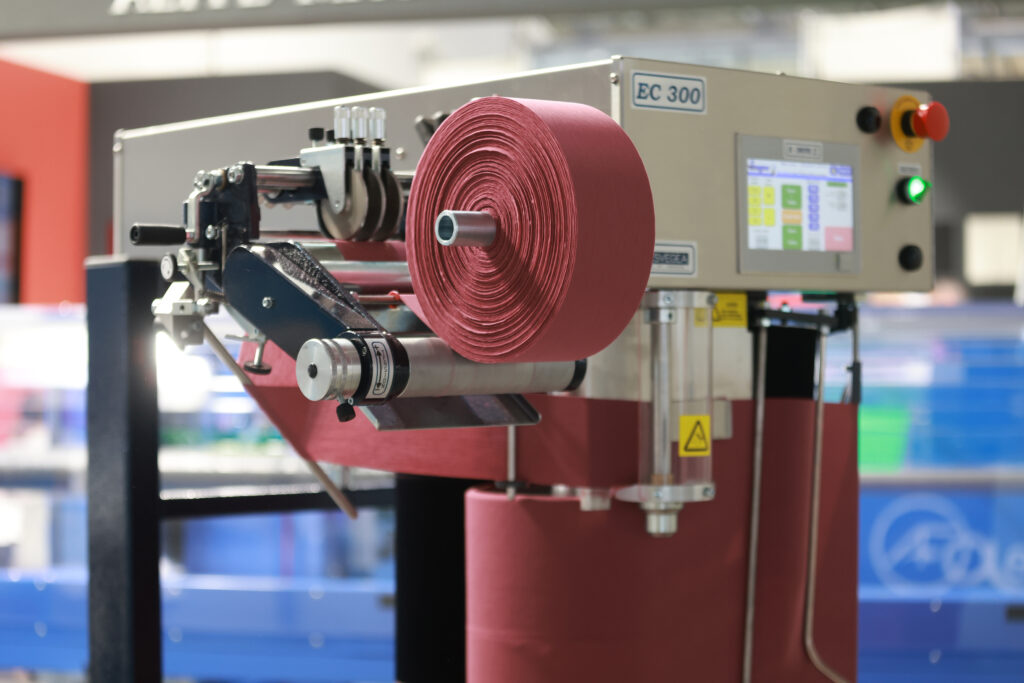
Certain parts of a garment reveal flaws instantly. Collarette and binding components need uniform width and clean edges. Svegea’s collarette cutting machines cover semi-automatic and fully automatic models. They handle tubular knitted fabric with adjustable widths from about 16 to 140 mm. The standard setup cuts two bands at once, and knife units can be added for more. For high-volume runs, the automatic systems remove variability and keep quality consistent.
What success looks like in real numbers
When factories prioritize process control and the right equipment, they see measurable results. Expect fabric waste to drop, lead times to shorten, and quality rejects to decline. These improvements drive margin expansion and help with sustainability reporting. In short, garment manufacturing efficiency converts directly into competitive advantage.
A simple plan to get started
Start methodically. First, audit the cutting and inspection rooms to find where most scrap and rework come from. Next, pilot one change. Try a fabric inspection line or a semi-automatic collarette cutter on a single product style or order run. Train the operators, collect data, and tweak. Finally, scale what proves out. This stepwise approach helps you manage cost and avoid disruption.
The business case
The math usually lands in your favor. Less waste means lower material spend. Tighter quality control means fewer returns and less rework. Faster setup times mean you can run smaller batches and respond to demand. That combination raises throughput without endless headcount increases. If you want to improve garment manufacturing efficiency, this is the route most executives choose.
Focusing on the right tools
Efficiency is not glamorous, but it is decisive. Focus on the right mix of inspection, precise cutting, and connected workflows, and you will see both cost and time benefits. Machines that support those goals, whether a robust inspection unit like the CMI 210 ZR or a scalable Euro-Collarette cutter, are tools that turn good intentions into measurable results.
For a demo or to discuss how this fits your production, contact Håkan Steene at h.steene@svegea.se or visit the Svegea product pages.

The textile industry has always moved fast. But today, speed alone isn’t enough. With fashion brands demanding rapid turnarounds and consumers expecting personalized, eco-conscious products, manufacturers face a new kind of pressure—one that demands agility, intelligence, and sustainability.
This is where sustainable textile machinery enters the picture. As the backbone of Industry 4.0, these advanced systems are reshaping how garments and textiles are produced. From automated cutting to digitally integrated workflows, the right machinery doesn’t just improve efficiency—it transforms entire operations.
Why Smart Automation Is No Longer Optional
Traditional production methods struggle to meet the demands of today’s market. Seasonal collections have given way to micro-drops, and global buyers expect consistency across every batch. Meanwhile, rising labor costs and environmental regulations are pushing manufacturers to rethink their processes.
Smart automation addresses these challenges head-on. Machines now deliver faster throughput, precise cutting, and scalable production—all while minimizing waste. For textile manufacturers, this isn’t just about saving time or money. It’s about staying competitive in a global market that rewards innovation and sustainability.
Cutting Technology That Drives Efficiency
While robotics and AI often steal the spotlight, cutting and trimming remain some of the most critical—and overlooked—stages in textile production. Components like collarettes, bands, and trims may seem minor, but they directly impact garment quality, fit, and durability.
Svegea of Sweden has long recognized this. Our sustainable textile machinery solutions, including the Automatic Collarette Cutter and Band Cutting Machines, are engineered for precision and reliability. These systems ensure every piece is cut to exact specifications, whether it’s the first or the ten-thousandth. Integrated into smart production lines, they enable seamless data flow and real-time adjustments.
Proven Impact on the Factory Floor
Consider a factory producing thousands of garments daily. Without automation, band cutting becomes a bottleneck—dependent on manual precision that varies from worker to worker. With Svegea’s cutting technology, that same factory sees:
- A 25–30% increase in throughput
- Significant reduction in fabric waste
- Consistent quality that meets international standards
These gains translate into faster delivery times, fewer returns, and stronger relationships with global buyers. More importantly, they demonstrate how sustainable textile machinery can deliver measurable ROI.
Building the Smart Factory of Tomorrow
Automated cutting is just one piece of the smart factory puzzle. When paired with IoT-enabled equipment, ERP systems, and AI-driven planning tools, it becomes part of a fully connected ecosystem. In this setup, machines communicate, data drives decisions, and production adapts instantly to market shifts.
This is the promise of Industry 4.0: a future where textile manufacturers can balance speed, cost, and sustainability without compromise. And it starts with investing in the right machinery.
Commitment to Sustainable Innovation
At Svegea of Sweden, we’re proud to support the evolution of textile manufacturing. Our cutting solutions are designed not only for performance but also for sustainability. By reducing waste, improving accuracy, and integrating seamlessly into smart production lines, our machines help factories meet the demands of modern manufacturing.
If you’re ready to explore how sustainable textile machinery can future-proof your operations, we’re here to help.
📩 Contact Håkan Steene at h.steene@svegea.se for a product demo or more details. Let’s build the future of textiles—together.
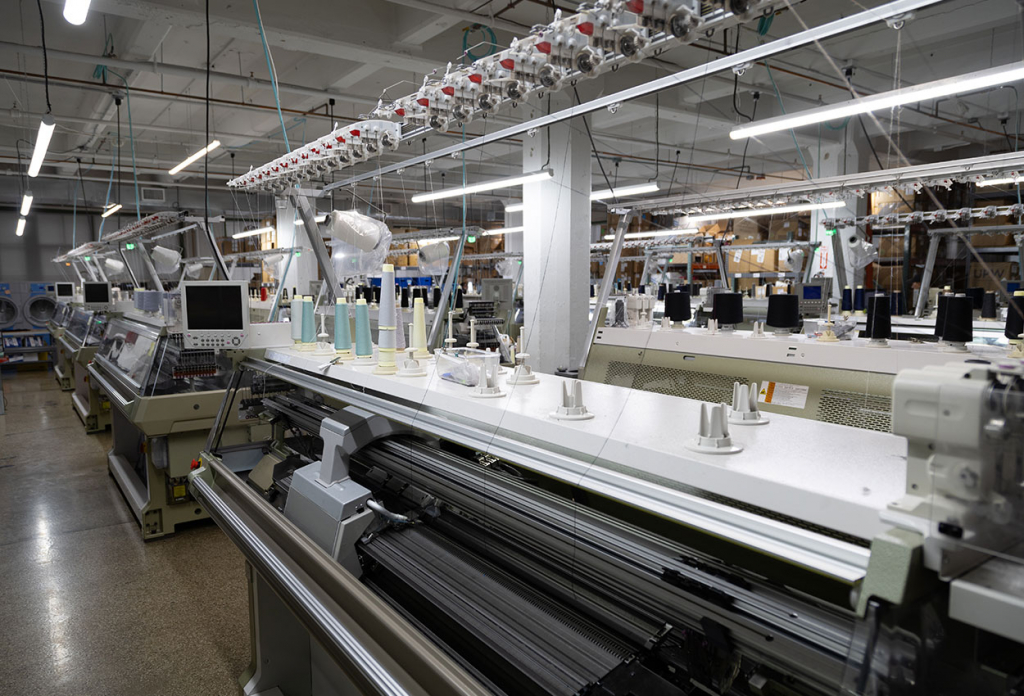
The fashion and textile industry is changing fast. More brands are shifting to on-demand textile production to reduce waste and meet customer expectations. Instead of making large batches that may never sell, manufacturers now focus on producing only what’s needed. This approach helps cut costs, save materials, and support sustainability goals.
Sustainability isn’t just a trend—it’s a must. From fabric waste to energy use, every part of the production process matters. And one of the smartest ways to make a difference is through precision.
Why Waste Reduction Matters
Fabric waste is a hidden problem in many factories. Every scrap, wrong cut, or rejected item means:
- Lost money: Fabric is expensive, and waste eats into profits
- Environmental harm: Most textile waste ends up in landfills
- Extra work: Fixing mistakes takes time and energy
When these issues happen often, they add up fast. That’s why reducing waste is good for both the planet and the bottom line.
The Circular Economy in Textiles
The circular economy is all about keeping materials in use and cutting down on waste. In fashion, this means:
- Designing products that last
- Recycling fabrics and fibers
- Using every roll of material wisely
On-demand textile production fits right into this model. By making only what’s needed, factories avoid overproduction and reduce leftover stock. But even before recycling starts, precision machinery helps cut waste at the source.
Precision Technology: Small Changes, Big Impact
Big changes don’t always need big investments. Machines that cut fabric with accuracy, run efficiently, and reduce errors can make a huge difference.
Here’s how precision machinery helps:
- Less fabric waste: Every cut is clean and exact
- Fewer mistakes: Consistent quality means fewer rejects
- Lower energy use: Efficient machines run faster and smarter
- Longer machine life: Durable tools need fewer replacements
These small upgrades support on-demand textile production by making each step more efficient and less wasteful.
Real-World Impact: Knitwear and Trims
Think about a factory making trims for t-shirts. If they use old cutting methods, they might waste 5–10% of their fabric. But with modern precision cutters:
- Every strip is cut perfectly
- Waste drops by several meters per run
- Quality stays high, so there’s less rework
This kind of setup supports on-demand textile production by allowing quick changes and small batch runs without losing efficiency.

Sustainability as a Competitive Edge
Today’s shoppers care about the planet. Brands that show they’re eco-friendly often win more trust and more business. For manufacturers, this means:
- Getting contracts with green-focused brands
- Meeting global rules on waste and emissions
- Standing out in a busy market
Using precision machinery and switching to on-demand textile production helps factories prove they’re serious about sustainability.
Make the Smart Choice Now
Sustainability starts with smart choices. By using precision tools and embracing on-demand textile production, manufacturers can cut waste, save money, and meet modern demands.
Ready to make your production line more efficient and eco-friendly?
📩 Contact Håkan Steene for a product demo at h.steene@svegea.se or visit https://www.svegea.se to learn more.
Image courtesy of Services – Fashinnovation

The fashion industry thrives on change—but in recent years, that change has accelerated into a full-blown revolution. No longer are brands defined by two seasonal collections and predictable production cycles. Today’s consumers demand personalization, limited editions, and lightning-fast turnaround. They expect garments that feel tailor-made, not mass-produced—and they want them now.
For garment and textile manufacturers, this shift isn’t just a trend—it’s a wake-up call. Meeting these demands requires more than creativity; it calls for operational reinvention. From design to delivery, every stage must be faster, smarter, and more adaptable. That’s where automated textile production enters the picture, enabling manufacturers to respond with precision, speed, and scalability.
At the heart of this transformation lies one powerful principle: flexibility.
The Rise of On-Demand Production
If one trend is reshaping the textile landscape, it’s on-demand production. Instead of stockpiling inventory and gambling on what might sell, brands now produce in smaller, agile batches—sometimes even one item at a time.
Why is this happening?
- Personalization sells. Whether it’s a custom sports jersey or a limited-edition streetwear drop, consumers crave uniqueness.
- Sustainability matters. Overproduction is one of fashion’s biggest environmental pitfalls. On-demand production helps reduce waste by making only what’s needed.
- Agility wins. Smaller runs allow brands to test the market, pivot quickly, and scale up with confidence.
In short, mass customization is overtaking mass production. And manufacturers who fail to adapt risk being left behind.
Flexibility on the Factory Floor
On-demand production sounds ideal—but it’s not without challenges. Small-batch runs and rapid turnarounds demand machinery that can:
- Switch between materials and specs with minimal downtime
- Deliver consistent precision from the first piece to the last
- Handle custom orders without compromising efficiency
This is where a robust textile solution becomes essential. Automated textile production systems allow manufacturers to pivot seamlessly between orders while maintaining quality and controlling costs. Flexibility isn’t just a feature—it’s the foundation of future-ready manufacturing.
Real-World Impact: Sportswear & Activewear
Take the booming sportswear market. Teams, clubs, and fans expect customized gear—jerseys with names, leggings in unique colorways, and performance wear tailored to niche needs.
Without flexible cutting equipment, these orders would be slow, error-prone, and costly. But with Svegea’s Automatic Collarette Cutters:
- Factories can switch quickly between team orders with different trims
- Precision cutting ensures every collar and band fits perfectly
- Small-batch customization becomes streamlined and scalable
This isn’t just operational efficiency—it’s a strategic edge.
Flexibility = Future-Proofing
Fashion moves fast. Trends go viral and vanish in weeks. Consumer loyalty shifts with every swipe. But one thing remains constant: the demand for speed, uniqueness, and sustainability.
For textile manufacturers, that means flexibility is no longer optional—it’s survival.
A modern textile solution—especially one built on automated textile production—gives factories the agility to adapt, the precision to deliver, and the confidence to scale. In a world where fashion waits for no one, that’s the difference between leading and lagging
Automated Textile Production is The Future
We can’t stress this enough. On-demand production isn’t a trend—it’s the future. Manufacturers who embrace mass customization will win contracts, delight customers, and reduce waste.
Embracing the right textile solution is essential for bridging the gap between traditional efficiency and the demands of modern flexibility. As fashion trends evolve rapidly and customization becomes the norm, manufacturers must equip their production lines to respond with speed, precision, and adaptability. The ability to shift seamlessly between small-batch orders and large-scale runs is no longer a luxury—it’s a competitive necessity.
Automated textile production is the backbone of this evolution—empowering manufacturers to meet demand without compromising quality or speed.
Svegea’s Textile Solution for Mass Customization
At Svegea of Sweden, flexibility isn’t just a feature—it’s our foundation. Our automated textile production solutions, including Automatic Collarette Cutters, Slitting Machines, and Band Cutting Machines, are engineered for speed, precision, and adaptability.
Here’s how Svegea supports the shift to on-demand production:
- Quick setup times: Ideal for switching between small and large batch runs
- Consistent precision: Every piece meets exact specifications, whether it’s 100 or 10,000 units
- Material versatility: Handles everything from lightweight knits to heavy-duty fabrics
- Just-in-time readiness: Designed for manufacturers who produce exactly what’s needed—no excess, no waste
By enabling manufacturers to meet the demands of today’s fast-paced, customized market, Svegea’s textile solution makes mass customization not only possible but profitable.
📩 Ready to future-proof your factory?
Contact Håkan Steene for a product demo at h.steene@svegea.se or visit https://www.svegea.se to explore our full range of textile solutions.
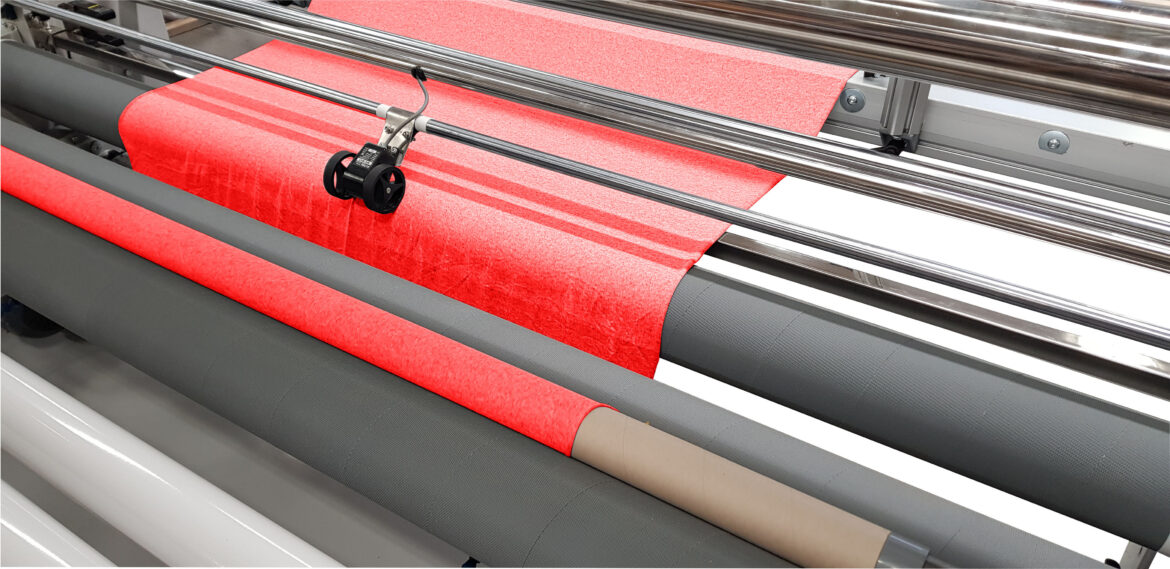
In modern textile manufacturing, adaptability is no longer optional—it’s essential. As demand grows for flexible production, especially in knitwear and activewear, manufacturers are turning to adaptive garment machinery to streamline operations and maintain quality.
Why Tubular Knit Slitting Matters
Tubular knit fabrics are produced in a continuous loop, which is ideal for circular knitting but not for cutting, printing, or sewing. Before these fabrics can be processed further, they must be slit and opened into flat sheets.
Without proper slitting:
– Edges may distort or curl
– Automated cutting systems can misalign
– Waste increases due to poor edge control
– Finished garments may suffer in quality
This step, though often overlooked, directly affects efficiency and product consistency.
The Role of Adaptive Machinery
Adaptive garment machinery refers to equipment that adjusts dynamically to different fabric types, production speeds, and operational conditions. In tubular knit slitting, this means:
- Automatic edge guiding for alignment
- Adjustable slitting widths for varied outputs
- High-speed operation with minimal waste
- Compatibility with both light and heavy knits
These features allow manufacturers to respond quickly to changing production needs without sacrificing precision.
Integration into Production Lines
Slitting machines are typically placed early in the workflow—after knitting and before cutting or printing. To integrate effectively, they must:
- Fit within existing layouts
- Offer intuitive controls for operators
- Require minimal maintenance
- Support continuous, high-volume use
When adaptive slitting technology is used, production lines become more responsive and less prone to bottlenecks.
Industry Applications
This machinery is especially relevant for:
- On-demand fashion production
- Mass customization models
- Sustainable textile workflows
- Technical and performance apparel
By enabling consistent slitting across diverse knit fabrics, adaptive systems support manufacturers aiming for speed, flexibility, and reduced waste.
A Significant Small Step
Tubular knit slitting may seem like a small step, but its impact is significant. With adaptive garment machinery, manufacturers gain the precision and flexibility needed to meet modern demands.
If you’re exploring ways to improve your knitwear production, consider how adaptive slitting can elevate your workflow.
To learn more or request a consultation, email Håkan at (mailto:hakan@svegea.se) or contact us.
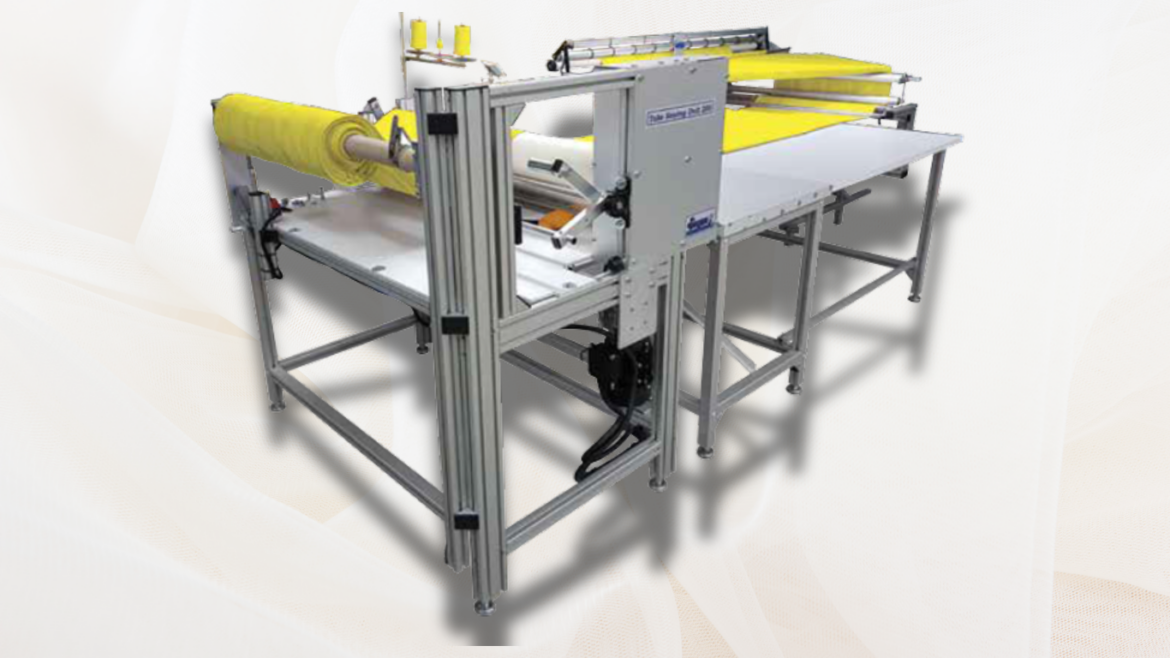
As global demand for ethical and efficient clothing production increases, manufacturers are reevaluating every step of their production process. One area gaining renewed attention is bias cutting—a technique that enhances stretch, durability, and fabric utilization. While often overlooked, bias-cutting systems play a vital role in advancing sustainable garment production.
What Is Bias Cutting and Why Does It Matter?
Bias cutting involves slicing fabric diagonally across its grain, typically at a 45-degree angle. This method allows textiles to stretch naturally, conform to body shapes, and resist fraying. It’s especially useful in garments requiring flexibility, such as:
- Activewear
- Lingerie
- Children’s clothing
- Knit trims and collarettes
By improving fit and performance, bias cutting contributes to the creation of longer-lasting garments—an often underappreciated aspect of sustainability.
Automation and Efficiency in Bias Cutting
Traditionally, bias cutting was done manually. This process was slow, inconsistent, and wasteful. Today, automated bias-cutting systems have transformed the landscape. These machines:
- Align fabric edges with precision.
- Adjust cutting widths for different materials
- Join bias strips seamlessly using integrated sewing units
- Wind fabric under controlled tension for easy handling
As a result, manufacturers can reduce labor costs, minimize waste, and maintain consistent quality across production batches.
Sustainability Beyond the Buzzwords
Sustainability isn’t just about organic cotton or recycled polyester. It’s also about how garments are made. Bias cutting systems support sustainable garment production by:
- Reducing fabric waste through accurate slitting and joining
- Optimizing material usage, especially in high-volume runs
- Lowering energy consumption with efficient, high-speed operation
- Extending product life by improving garment performance
These benefits align with global sustainability goals and industry certifications, making bias-cutting systems a strategic investment—not just a technical upgrade.
Relevance Across Global Markets
From Southeast Asia to Scandinavia, textile manufacturers face similar challenges: rising costs, stricter regulations, and shifting consumer expectations. Bias cutting systems offer scalable solutions for:
- Localized production hubs
- Fast fashion models require agility
- Technical textile producers working with complex fabrics
Whether you’re a small-scale knitwear producer or a large garment exporter, bias cutting technology can support your sustainability roadmap.
Ready to Explore Smarter Solutions?
If you’re looking to enhance your production efficiency while supporting sustainable garment practices, it’s worth exploring what modern bias cutting systems can offer.
Contact Håkan Steene (h.steene@svegea.se) or visit www.svegea.se to learn more about how their bias-cutting solutions align with your sustainability goals.

Small Manufacturers, Global Expectations
In today’s fast-paced apparel industry, small garment manufacturers are under increasing pressure to meet global standards of quality, speed, and sustainability. From trims in Portugal to activewear in North Carolina and knitwear in Vietnam, the demand for scalable textile machinery for garment production is transforming how lean operations compete.
Fortunately, innovation is no longer exclusive to mega-factories. Today’s scalable textile machines are compact, intelligent, and built to empower small manufacturers—allowing them to grow efficiently without compromising craftsmanship. These advanced tools are reshaping how factories adapt, expand, and thrive in a global marketplace.
Success starts with choosing the right machinery—and scaling smart from the start.
The Power of Precision in a Compact Package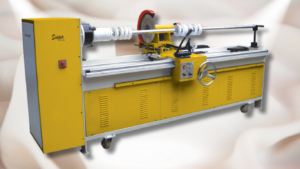
Gone are the days when automation was reserved for mega-factories. Today’s machines are modular, compact, and built to integrate seamlessly into lean production environments. They offer:
- High-speed performance without overwhelming your floor space
- Energy-efficient motors that reduce operational costs
- User-friendly interfaces that minimize training time
- Consistent output that supports quality control
Take the Svegea CMS 1800A2 Strip Cutter, for example. It’s engineered for high-speed strip cutting from tubular or open-width fabric—ideal for bias tape, trims, and bindings. Its compact footprint and low-maintenance design make it a smart fit for small operations looking to scale without stress.
Why Scalability Beats Size
Scalability isn’t about becoming a giant—it’s about being ready. With scalable machinery, you can:
- Respond quickly to seasonal surges
- Take on new contracts with confidence
- Maintain consistent quality across product lines
- Reduce reliance on manual labor during peak periods
This flexibility is especially critical in regions where labor costs are rising or skilled operators are in short supply. Machines like the CMS 1800A2 help bridge that gap, offering reliability without complexity.
Sustainability: A Strategic Advantage
Eco-conscious production is no longer a niche—it’s a requirement. Buyers across Europe and North America are demanding transparency, traceability, and reduced environmental impact. Textile machinery plays a pivotal role in meeting these expectations.
Modern machines consume less energy, produce less waste, and support cleaner workflows. For manufacturers aiming to align with ESG goals or attract sustainability-focused clients, upgrading equipment is a strategic move—not just a technical one.
Empowering Craft, Not Replacing It
Small manufacturers often pride themselves on craftsmanship. That shouldn’t change. But smart machines can support that craft by handling repetitive tasks, freeing up skilled workers to focus on design, finishing, and quality assurance.
It’s not about replacing people—it’s about enabling them to do their best work.
Transitioning Without Turbulence
Worried about disruption? Designers create today’s textile machines for smooth integration. With proper planning, upgrades can be implemented with minimal downtime. Scalable textile machinery systems for garment production offer multilingual interfaces and remote support, making onboarding faster and easier.
The CMS 1800A2, for instance, has an intuitive setup and reliable performance—making it a low-risk, high-reward investment.
Final Stitch: Invest in What Moves You Forward
The garment industry is evolving. Markets are more demanding, timelines are tighter, and sustainability is non-negotiable. For small and mid-sized producers, the path forward isn’t paved with massive capital—it’s built on smart, scalable decisions.
Modern textile machinery offers a way to grow without losing control. It’s not about chasing volume—it’s about building resilience.
Ready to explore how one machine could reshape your production flow? Contact Håkan Steene (h.steene@svegea.se) for a product demo or more details. No pressure—just possibilities.
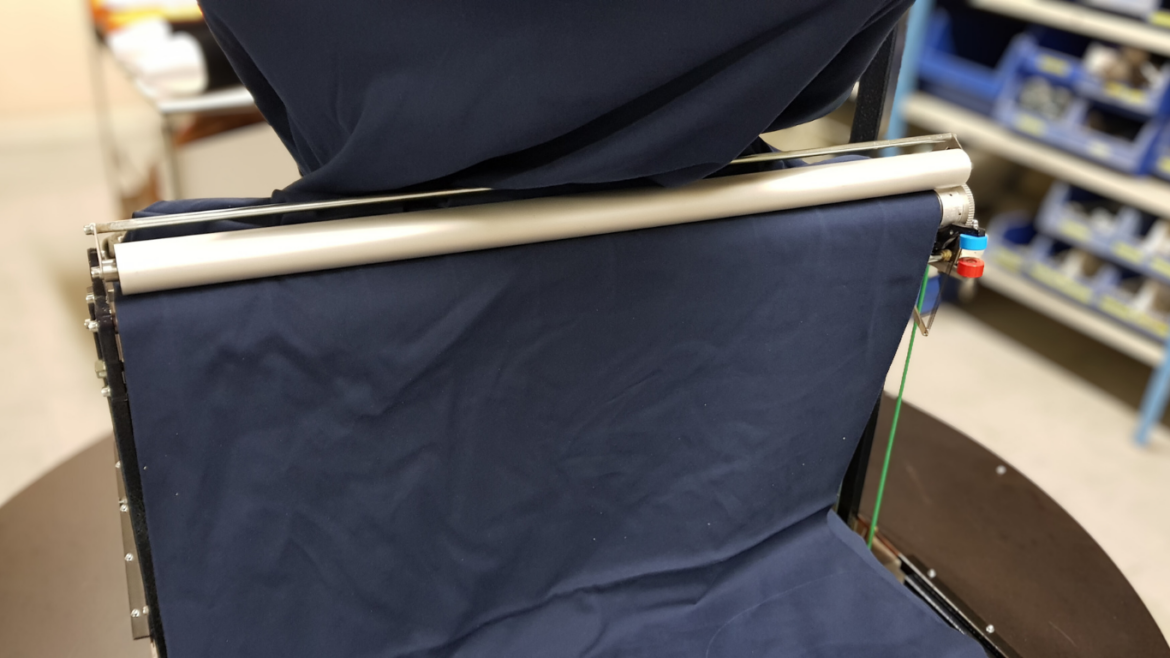
In today’s competitive garment and textile industry, efficiency isn’t just a technical benchmark—it’s a bottom-line imperative. Outdated machinery may seem serviceable, but behind the scenes, it’s quietly draining profits through excessive energy use, frequent breakdowns, and mounting maintenance costs.
As global demand intensifies and margins tighten, manufacturers are rethinking their approach. The shift toward cost-saving textile machinery isn’t just about modernization—it’s about survival. Smarter, more sustainable equipment is helping producers cut waste, optimize workflows, and unlock new levels of profitability
The True Cost of Outdated Equipment
While legacy machines may still function, they often demand more attention than they’re worth. Repairs become more frequent. Production slows. Fabric waste increases due to inconsistent cuts and poor precision. These issues don’t just affect workflow—they directly impact your bottom line.
Moreover, older systems typically lack automation features that modern factories depend on. As a result, labor costs rise, and throughput suffers. In an industry where speed and consistency are critical, falling behind can mean losing contracts or missing seasonal demand.
Upgrading to advanced textile machinery can dramatically shift your cost structure. Today’s machines are designed for high-speed, precision performance and built to last. The benefits are clear: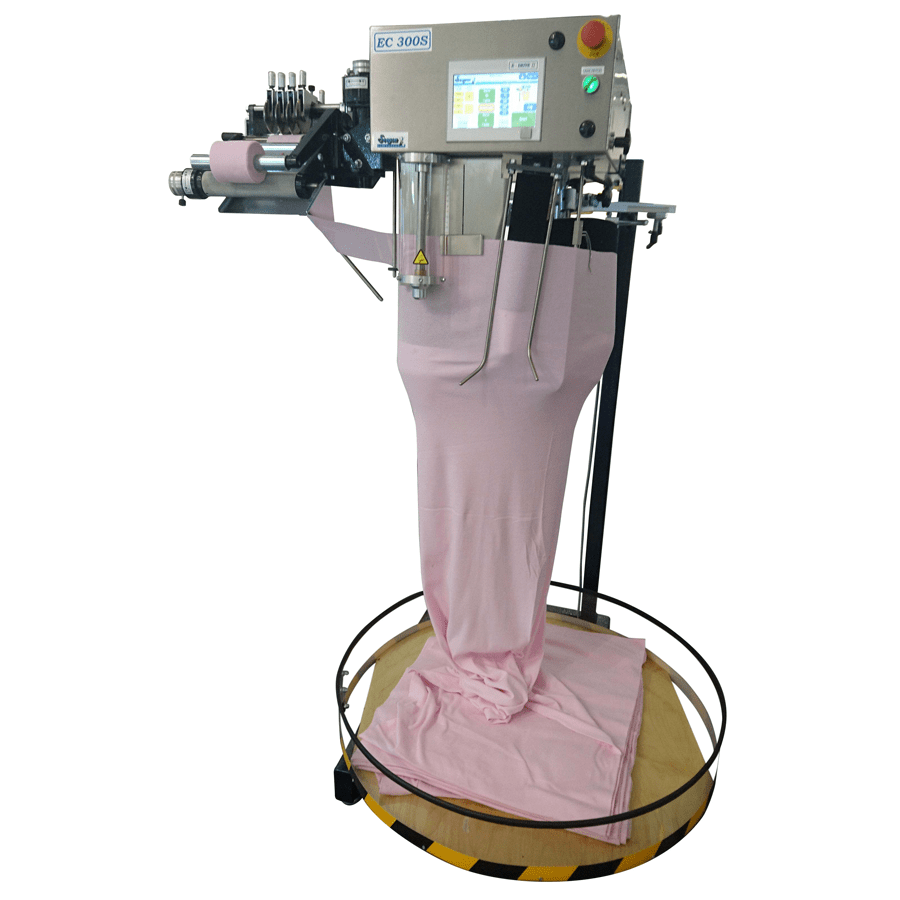
- Reduced Material Waste: Precision cutting minimizes fabric loss and maximizes yield.
- Lower Maintenance Costs: Durable engineering reduces downtime and service interventions.
- Energy Efficiency: Optimized motor systems consume less power, resulting in lower utility bills.
- Increased Output: Automation and speed enhancements enable the production of more garments per hour.
To illustrate how modern machinery delivers these benefits, let’s look at a real-world example.
One standout example is Svegea of Sweden’s EC300-S Collarette Cutter. Known for its high-speed precision and low maintenance requirements, it’s a favorite among garment manufacturers aiming to streamline production. The EC300-S reduces fabric waste, boosts output, and consumes less energy—making it a smart investment for both profitability and sustainability.
Real-World ROI: Efficiency That Pays Off
Consider a mid-sized garment factory that replaces its aging collarette cutter with a high-speed model. Within a year, production increases by 20%, fabric waste drops by 15%, and maintenance calls are reduced by nearly a third. These improvements don’t just save money—they create capacity for growth.
Even better, the return on investment often exceeds the initial purchase cost within the first 12 months. That’s not just smart—it’s strategic.
Sustainability Meets Profitability
Efficiency isn’t only about saving money. It’s also about reducing environmental impact. Machines like the EC300-S support eco-conscious manufacturing by using less energy and producing less waste. For brands focused on ESG goals, this alignment is essential.
Invest in What Moves You Forward
Standing still in textile manufacturing is a risk. Upgrading your machinery isn’t just a technical decision—it’s a business move that affects quality, speed, sustainability, and profitability. Whether you’re scaling up or streamlining operations, investing in cost-saving textile machinery can be the difference between surviving and thriving.
Ready to rethink your production strategy?
Explore how smarter textile machinery can reshape your efficiency, reduce waste, and support sustainable growth. Learn more about proven solutions like the EC300-S Collarette Cutter and discover what modern upgrades could mean for your bottom line. Contact Håkan Steene at h.steene@svegea.se to learn more, request product details, or schedule a hands-on demonstration tailored to your needs.