

The Impact of Fast Fashion vs. Slow Fashion
The fashion industry is at a crossroads. On one side, fast fashion dominates with its rapid production cycles, low-cost garments, and ever-changing trends. Conversely, slow fashion is gaining momentum, advocating for sustainability, ethical production, and long-lasting quality. Understanding the differences between these two approaches is crucial for consumers and manufacturers alike.
The Environmental and Social Implications of Fast Fashion
Fast fashion has revolutionized the industry, making trendy clothing accessible. However, this convenience comes at a significant cost.
Environmental Consequences
The fast fashion industry is one of the most significant contributors to pollution worldwid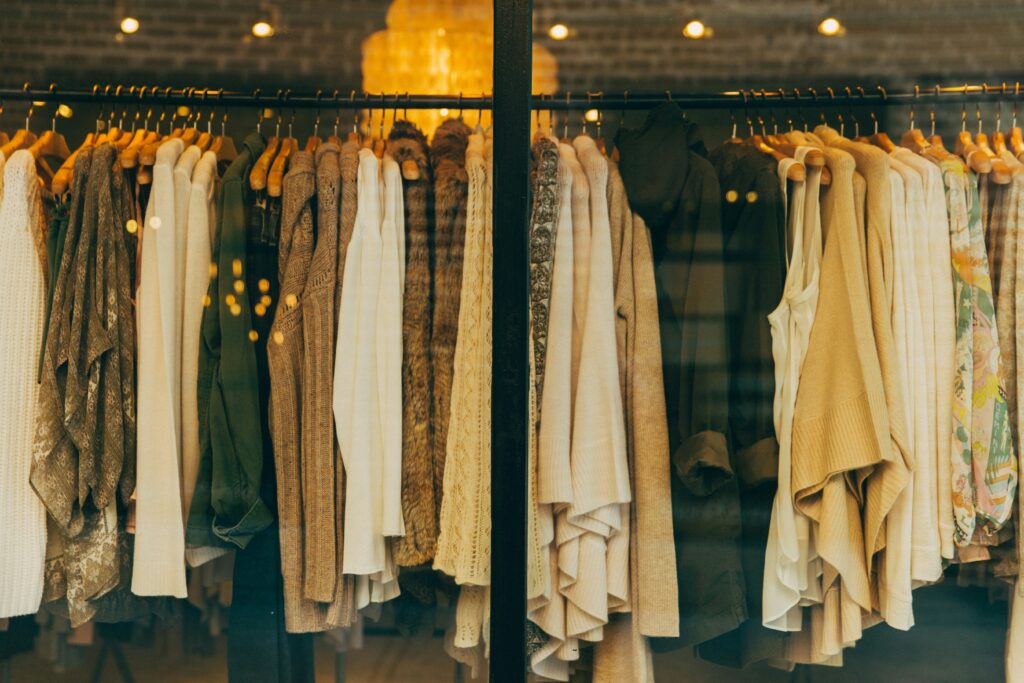 e. It generates excessive textile waste, consumes vast amounts of water, and releases harmful chemicals into the environment. Consider these alarming statistics:
- The fashion industry accounts for 10% of global carbon emissions and produces 20% of global wastewater.
- A single cotton shirt requires 2,700 liters of water—enough to sustain one person for 2.5 years.
- Synthetic fibers used in fast fashion take up to 200 years to decompose.
These figures highlight the urgent need for sustainable alternatives.
Social Consequences
Beyond environmental concerns, fast fashion has severe social implications. Many garment factories operate under challenging conditions, where workers often receive wages that may not fully meet the cost of living. In regions like Bangladesh, where the textile industry is a vital economic driver, efforts continue to improve labor standards and create more sustainable working environments. Supporting ethical production and fair compensation remains essential in shaping a more responsible and equitable fashion industry.
The widespread demand for affordable clothing presents challenges in ensuring ethical labor practices. As the fashion industry evolves, businesses and consumers play a key role in promoting fair wages and responsible sourcing to create a more sustainable and equitable future.
Slow Fashion and Sustainability
Slow fashion prioritizes quality over quantity, focusing on durable, ethically produced garments. This movement is supported by innovative textile machines that enhance sustainability and efficiency.
Tips for Manufacturers Transitioning to Sustainable Practices
For manufacturers looking to embrace slow fashion, adopting sustainable practices is essential. Here are key strategies to facilitate the transition:
1. Optimize Energy Efficiency
Investing in energy-efficient textile machines can significantly reduce operational costs and environmental impact. Technologies such as variable frequency drives and energy recovery systems help minimize energy consumption.
2. Use Sustainable Raw Materials
Choosing organic cotton, recycled fabrics, and biodegradable materials can drastically reduce pollution and resource depletion. Sustainable sourcing ensures ethical production while maintaining high-quality standards.
3. Implement Waste Reduction Strategies
Advanced textile machines, like those from Svegea, help manufacturers cut fabric efficiently, reducing excess material waste. Additionally, adopting zero-waste design techniques can further minimize environmental impact.
4. Reduce Water Usage and Pollution
Traditional textile production consumes vast amounts of water. Modern dyeing machines now recycle water, significantly lowering consumption. Manufacturers should also explore low-impact dyeing techniques to reduce chemical pollution.
5. Promote Supply Chain Sustainability
Partnering with ethical suppliers and ensuring fair labor practices throughout the supply chain is crucial. Transparency in sourcing and production fosters consumer trust and strengthens brand reputation.
6. Foster a Culture of Sustainability
Educating employees and stakeholders about sustainable practices encourages long-term commitment to eco-friendly production. Companies should integrate sustainability goals into their business strategies to drive meaningful change.
Sustainable Textile Production
Svegea of Sweden specializes in innovative textile machinery that supports sustainable and efficient garment production. Their advanced solutions help manufacturers reduce waste and optimize processes by:
- Maximizing fabric usage through precision cutting and automation, minimizing material waste.
- Enhancing energy efficiency, reducing overall consumption and environmental impact.
- Improving garment durability, promoting longevity, and contributing to a circular economy.
By integrating Svegea’s technology, manufacturers can transition to eco-friendly production methods without compromising efficiency or profitability.
More than a Trend
The battle between fast fashion and slow fashion is more than a trend—it’s a movement toward a more sustainable future. While fast fashion continues to dominate, its environmental and social consequences cannot be ignored. Slow fashion, supported by innovative textile machines like those from Svegea of Sweden, offers a viable solution for manufacturers seeking ethical and sustainable production.
By adopting energy-efficient technology, sustainable materials, and waste reduction strategies, manufacturers can contribute to a greener industry while maintaining profitability. The shift toward slow fashion is not just necessary—it’s inevitable.
Let’s embrace sustainability and redefine the future of fashion. If you’re looking to enhance the productivity and sustainability of your garment production processes, reach out to Håkan Steene at h.steene@svegea.se to learn more about Svegea’s advanced textile machinery and solutions.
Image credits: Photo by Alina Bordunova on Unsplash | Photo by Hannah Morgan on Unsplash

The fashion industry is in the midst of a seismic shift. Consumers no longer settle for mass-produced garments—they crave unique, customized pieces that reflect their individuality. This surging demand is reshaping brand strategies, revolutionizing production, and redefining how we express ourselves through fashion.
The Rise of Personalized Fashion
Personalization isn’t a new concept—bespoke tailoring has been around for centuries. But thanks to groundbreaking technology, what was once an exclusive luxury is now accessible to the masses.
According to McKinsey’s The State of Fashion 2023 report, 71% of consumers expect brands to deliver personalized experiences, and 76% become frustrated when those expectations aren’t met. () This consumer-driven revolution is forcing the fashion industry to rethink everything, from design to production and delivery.
The Tech Behind the Transformation
Innovation is fueling the personalization boom. Here’s how cutting-edge technology is turning made-to-order fashion into a scalable, profitable reality:
3D Printing: Reinventing Manufacturing

Futurercraft STRUNG
Adidas is a pioneer in this space, integrating 3D printing into their Futurecraft line. Their custom midsoles adapt to individual foot pressure points and gait, providing unparalleled comfort and performance. But the potential extends beyond footwear—startups are now 3D-printing entire garment components, minimizing waste and unlocking design possibilities previously unimaginable.
AI & Machine Learning: Next-Level Personalization
Brands like Stitch Fix blend human stylists with AI-driven algorithms to curate hyper-personalized fashion recommendations. With over 4 million active users, Stitch Fix exemplifies how AI can decode individual style preferences with incredible accuracy.
Body Scanning: Precision Fit, Every Time
Uniqlo has introduced body scanning technology in select stores, allowing customers to create digital avatars for accurate sizing recommendations. This technology eliminates guesswork, reduces returns, and ensures a flawless fit.
The Machinery Powering Personalization
While digital advancements steal the spotlight, specialized machinery is the backbone of small-batch, custom production. One standout player in this arena is Svegea of Sweden.
Svegea’s Role in Personalized Fashion
Svegea, a leader in textile machinery manufacturing, develops precision bias-cutting machines that enable small-batch production without sacrificing quality. Their collarette cutting machines, crucial for trim and binding production, make detailed customization viable at scale.

Automation: The Secret to Scalable Customization
Contrary to popular belief, automation isn’t the enemy of personalization—it’s the key to making it efficient.
Smart Factories: Rapid, Flexible Production
Advanced robotics and computer-controlled cutting systems can switch between personalized designs seamlessly, drastically cutting lead times. What once took weeks can now be produced in days, meeting consumer expectations for speed and exclusivity.
On-Demand Manufacturing: Redefining Fashion’s Business Model
The traditional model of mass-producing inventory is fading. Instead, agile, on-demand production is emerging as the future.
- Made-to-Order Success Stories: Companies like Proper Cloth create perfectly tailored shirts based on individual measurements, eliminating inventory waste and boosting customer satisfaction.
- Microfactories for Localized Production: The concept of small, tech-powered production hubs is gaining traction. According to Fashion for Good, micro-factories can reduce carbon emissions by up to 35% compared to traditional supply chains.
Why Consumers Love Customization
Beyond the cool factor, there are deeper reasons why personalized fashion is taking over:
1. A Unique Identity
In a world of fast fashion, standing out is more important than ever. Studies show that 80% of consumers are more likely to buy from brands that offer personalized experiences.
2. The Perfect Fit
Sizing inconsistencies have plagued shoppers for decades. Custom-fitted clothing eliminates this issue, reducing costly returns—an issue that costs the fashion industry $300 billion annually.
3. Sustainability at Its Core
Personalized fashion isn’t just stylish—it’s eco-friendly.
- Less Waste: On-demand production slashes overproduction and reduces landfill-bound inventory.
- Longer Wear: Research suggests personalized items stay in a consumer’s wardrobe up to 50% longer than mass-produced alternatives.
Brands Leading the Charge
Several fashion giants are proving that personalization isn’t just a gimmick—it’s a game-changer.
- Nike By You (formerly NIKEiD) allows customers to customize every element of their sneakers, adding over $1 billion in direct-to-consumer revenue.
- Ministry of Supply offers 3D-printed knit blazers, tailored to individual measurements in under 90 minutes.
- Unspun uses body scanning to create zero-inventory, custom-fit jeans, reducing carbon emissions by up to 40%.
Challenges & The Future of Personalized Fashion
Despite its rapid growth, personalized fashion isn’t without obstacles:
- Cost & Scaling: Custom production is still pricier than mass manufacturing, but as technology advances, costs are dropping—Deloitte reports a 30% decrease in price premiums for personalized products over the past decade.
- Consumer Awareness: Many shoppers still see personalization as a luxury. Brands must invest in educating consumers on its accessibility and long-term value.
The Future: Customization as the New Norm
Fashion’s transformation is just beginning. As technology evolves, personalized fashion will become an everyday expectation rather than an exclusive option. Brands that embrace this shift will benefit from stronger customer loyalty, reduced waste, and a more sustainable future.
The era of mass-produced fashion is fading. In its place? A world where every piece of clothing tells a unique story—your story.
Photo by Malicki M Beser on Unsplash

As we step into 2025, the textile manufacturing industry is poised for significant transformations. Driven by technological advancements and evolving consumer demands, the industry is embracing new trends that promise to reshape the landscape. This blog explores the key textile trends for 2025, highlighting how innovative solutions are leading the charge.
Sustainability Takes Center Stage
Sustainability continues to be a dominant trend in textile manufacturing. Consumers are increasingly demanding eco-friendly products, pushing manufacturers to adopt sustainable practices. In 2025, we will see a rise in the use of organic and recycled materials, such as organic cotton, bamboo, and Tencel. These materials are not only environmentally friendly but also offer superior quality and comfort.
Moreover, manufacturers are focusing on reducing their carbon footprint by optimizing production processes and minimizing waste. Advanced textile machinery, such as cutting-edge collarette cutting systems, exemplifies this commitment to sustainability. These systems reduce fabric waste and enhance production efficiency, aligning with the industry’s green goals.
The Rise of Smart Textiles
Smart textiles are revolutionizing the industry by integrating advanced technology into fabrics. These textiles can monitor health, regulate temperature, and even change color based on environmental conditions. In 2025, we expect to see more widespread adoption of smart textiles in various applications, from fashion to healthcare.
Innovative solutions are at the forefront of this trend. Automated systems, like advanced roll-cutting/slitting machines, incorporate cutting-edge technology to enhance precision and efficiency. These advancements not only improve product quality but also open new possibilities for smart textile applications.
Digital Printing Innovations
Digital printing is transforming textile design by allowing for greater creativity and customization. Traditional printing methods are being replaced by digital techniques that enable intricate designs and vibrant colors. This trend is expected to grow in 2025, with more manufacturers adopting digital printing to meet consumer demands for unique and personalized products.
Precise cutting capabilities, offered by advanced strip cutters, ensure that digitally printed fabrics are handled with the utmost care and accuracy. These innovations are integral to maintaining the quality and appeal of digitally printed textiles.

Advanced Apparel Manufacturing
The apparel manufacturing sector is experiencing a shift towards automation and advanced technologies. In 2025, we will see increased use of AI and robotics to streamline production processes and reduce labor costs. These technologies enhance efficiency, improve product quality, and enable manufacturers to respond quickly to market changes.
Automated sewing units simplify the production of bias binding, reducing the need for manual intervention and increasing overall productivity. By leveraging such advanced machinery, manufacturers can stay competitive in a rapidly evolving market.
Customization and Personalization
Consumers are seeking more personalized products, driving the trend toward customization in textile manufacturing. In 2025, manufacturers will leverage AI and data analytics to offer tailored solutions that meet individual preferences. This trend is particularly evident in the fashion industry, where personalized clothing and accessories are becoming increasingly popular.
Innovative textile machinery can be tailored to meet specific production needs, ensuring that manufacturers can deliver unique products that resonate with their customers.
Sustainable Supply Chains
Sustainability extends beyond materials and production processes to encompass the entire supply chain. In 2025, we will see a greater emphasis on creating sustainable supply chains that minimize environmental impact and promote ethical practices. This includes sourcing raw materials responsibly, reducing transportation emissions, and ensuring fair labor practices.
Innovative solutions help manufacturers optimize their supply chains, reducing waste and improving efficiency. By adopting these advanced technologies, companies can enhance their sustainability efforts and meet the growing demand for eco-friendly products.
3D Technologies
3D technologies are making waves in textile manufacturing by enabling the creation of complex designs and prototypes. In 2025, we will see more manufacturers adopting 3D printing and other advanced techniques to push the boundaries of textile design. These technologies allow for greater experimentation and innovation, resulting in unique and high-quality products.
Cutting-edge machinery supports the integration of 3D technologies into textile production. These machines precisely cut and slit 3D-printed fabrics, handling them with care and accuracy.
Immersive Fashion
Immersive fashion is an emerging trend that combines technology and design to create interactive and engaging experiences. In 2025, we will see more brands exploring immersive fashion through augmented reality (AR) and virtual reality (VR) technologies. These innovations allow consumers to visualize and interact with products in new and exciting ways.
Advanced textile machinery supports the production of immersive fashion by enabling precise and efficient manufacturing processes. These innovations ensure that manufacturers can stay ahead of the curve and deliver cutting-edge products to their customers.
A Transformative Era
The textile manufacturing industry is on the cusp of a transformative era, driven by technological advancements and changing consumer demands. Trends such as sustainability, smart textiles, digital printing, and advanced manufacturing are reshaping the landscape, offering new opportunities for innovation and growth.
Innovative textile machinery is setting new standards in the industry. As we move into 2025, manufacturers must embrace these trends to stay competitive and meet the evolving needs of their customers.
For more information on how advanced solutions can help your business thrive, contact Håkan Steene at h.steene@svegea.se today!

Artificial Intelligence (AI) is emerging as a game-changer in the ever-evolving landscape of textile manufacturing. From design to production, AI is revolutionizing the industry, enhancing efficiency, reducing waste, and driving innovation. This blog delves into how AI is transforming textile manufacturing, spotlighting Svegea’s innovative solutions.
The Role of AI in Textile Manufacturing
AI is making significant strides in various aspects of textile manufacturing. One of the most notable areas is automated design and pattern-making. AI tools like Adobe’s Textile Designer analyze vast amounts of trend data from fashion shows, online retail platforms, and consumer behavior studies. This analysis helps predict future trends in patterns, colors, and materials with high accuracy, enabling designers to create collections that align closely with market demands.
Moreover, AI is enhancing the fabric inspection process. Advanced systems equipped with high-resolution cameras and sophisticated AI software, such as the Uster Quantum 4.0, conduct real-time textile analysis. These systems meticulously scan for defects like misweaves, pattern irregularities, and color deviations, ensuring only top-quality fabrics move forward in the production line. This precision significantly reduces waste and elevates product quality.
Enhancing Manufacturing Efficiency
AI-driven automation is streamlining textile manufacturing processes. Predictive maintenance, for instance, uses AI to foresee equipment failures before they happen, minimizing downtime and repair costs. Advanced AI-powered robotics and automation streamline tasks such as fabric cutting, sewing, and quality inspection, leading to faster production cycles and reduced labor costs.
Svegea, a leader in textile manufacturing solutions, exemplifies the integration of AI in production. Their EC-450XF Collarette Cutting System, recognized with the Texprocess Americas 2023 Innovation Award, achieves unparalleled precision and efficiency. This system, along with other advanced machines like the SWS automatic roll cutting/slitting machines and the Strip Cutter CMS-1800A3, showcases Svegea’s commitment to cutting-edge technology.
Optimizing Supply Chains
AI plays a crucial role in optimizing supply chains within the textile industry. Machine learning models predict demand patterns, allowing manufacturers to adjust production schedules and inventory levels accordingly. AI-driven analytics also help identify the most efficient routes for shipping and logistics, reducing transportation costs and carbon footprint. This level of optimization ensures that products reach consumers promptly, enhancing customer satisfaction.
Revolutionizing Quality Control
Quality control is a critical aspect of textile production, and AI is enhancing this process through advanced inspection technologies. Computer vision systems equipped with AI algorithms can detect defects and inconsistencies in fabrics with high precision. These systems analyze images of textiles in real time, identifying issues such as color variations, weave irregularities, and fabric flaws that might be missed by human inspectors. This results in higher quality products and fewer returns.
Personalizing Consumer Experiences
AI is transforming how brands interact with consumers by enabling personalized shopping experiences. AI-powered recommendation engines analyze user behavior, purchase history, and preferences to offer tailored product suggestions. Virtual fitting rooms, driven by AI, allow customers to try on clothes virtually, enhancing the online shopping experience and reducing the likelihood of returns.
Svegea’s Innovative Solutions
Svegea of Sweden AB stands out as a beacon of innovation in textile manufacturing. With over 72 years of experience, Svegea offers a wide array of products and services that redefine the textile landscape. Their product portfolio includes the Tube Sewing Unit 200A, Roll to Roll Slitter RRS 800, and Strip Cutter FA 600, all designed for exceptional performance and efficiency.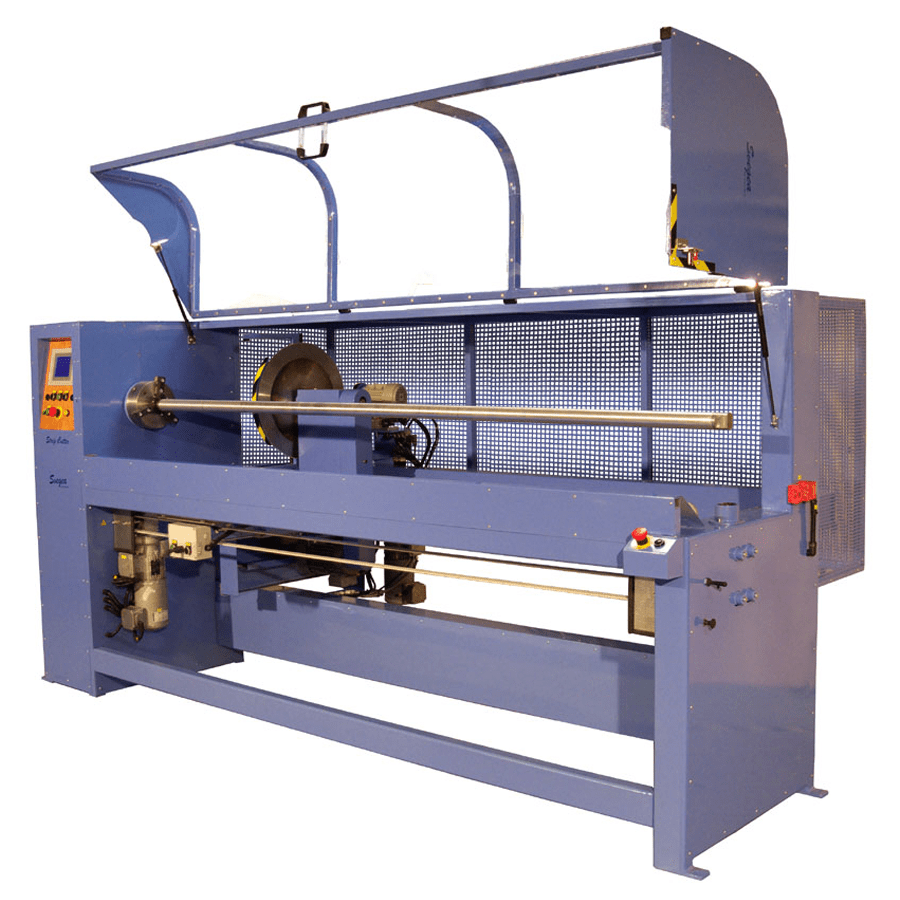
Svegea’s commitment to cutting-edge technology is evident in its award-winning products. The EC-450XF Collarette Cutting System, for example, sets new benchmarks in production excellence. Svegea’s global presence and bespoke services ensure that each solution addresses specific client needs, ensuring customer satisfaction and success.
The Future of AI in Textile Manufacturing
The integration of AI in textile manufacturing is just beginning. As technology continues to advance, we can expect even greater efficiencies and innovations. AI will likely play an increasingly important role in areas such as sustainable production, where it can help reduce waste and optimize resource use.
AI is revolutionizing textile manufacturing, driving efficiencies, and fostering innovation. Companies like Svegea are leading this transformation, offering advanced solutions that set new industry standards. As AI continues to evolve, the future of textile manufacturing looks brighter than ever. To learn more about how Svegea can help your business stay ahead of the curve, contact Håkan Steene at h.steene@svegea.se today!

As we step into 2025, the textile industry is undergoing significant transformations. From sustainability to smart textiles, the trends this year are set to revolutionize both fashion and home decor. Let’s explore the key textile trends for 2025 and how they are shaping the future of the industry.
Sustainability: The Green Revolution
 Sustainability continues to be a driving force in the textile industry. Consumers are increasingly demanding eco-friendly and ethically sourced materials. This trend is leading to a rise in the use of organic cotton, bamboo, hemp, and Tencel. Brands are also focusing on traceable supply chains and circular fashion, which includes repairable and biodegradable fabrics. This shift towards sustainability is not just a trend but a necessary evolution for the industry.
Smart Textiles: The Future is Now
The integration of advanced technology into fabrics is creating smart textiles that can monitor health metrics and regulate temperature. These innovations are set to revolutionize both fashion and home decor. Imagine clothing that can adjust to your body temperature or fabrics that can track your fitness levels. The possibilities are endless, and the future is now.
Digital Printing: Customization at Its Best
Digital printing technology is allowing for more intricate and customizable designs on textiles. This innovation enables brands to produce unique patterns and reduce waste compared to traditional printing methods. With digital printing, the textile industry can offer more personalized products, catering to the individual tastes of consumers.
Textures and Layers: Creating Visual Appeal
Mixing different textures and layers is becoming increasingly popular in home decor. Combining materials like velvet, linen, and wool can create visually appealing and inviting spaces. This trend is all about creating depth and interest in interior design, making homes feel more cozy and luxurious.
Bold Patterns: Making a Statement

Valentino, spring/summer 2025 ready-to-wear Photo: Courtesy of Valentino
Bold and eye-catching patterns are expected to be a major fashion trend in 2025. These patterns add personality and flair to both fashion and home textiles. Whether it’s a striking geometric design or a vibrant floral print, bold patterns are here to make a statement.
Advanced Apparel Manufacturing: Efficiency and Innovation
The use of 3D technologies and automation in apparel manufacturing is increasing efficiency and allowing for more innovative designs. These advancements are streamlining production processes and enabling the creation of complex and unique garments. The future of apparel manufacturing is bright, with technology leading the way.
Customization and Personalization: Meeting Consumer Demands
Consumers are seeking more personalized and customized textile products. This trend is driving brands to offer bespoke designs and tailored solutions. From custom-fit clothing to personalized home decor, the demand for unique and individualized products is on the rise.
AI and Data Analytics: Optimizing the Industry
Artificial intelligence and data analytics are being used to predict trends, optimize supply chains, and enhance the overall efficiency of textile production. These technologies are providing valuable insights that help brands stay ahead of the curve and meet consumer demands more effectively.
Innovation with the Right Tools
Having the right machinery is crucial to keeping up with these dynamic trends. For instance, the Svegea EC 450 XF Collarette Cutting System exemplifies how advanced technology can enhance textile production. Known for its precision and efficiency, this machine supports sustainable practices by minimizing material waste and optimizing resource use. Its versatility makes it a valuable addition to any textile manufacturing setup, aligning perfectly with the industry’s move towards automation and smart textiles.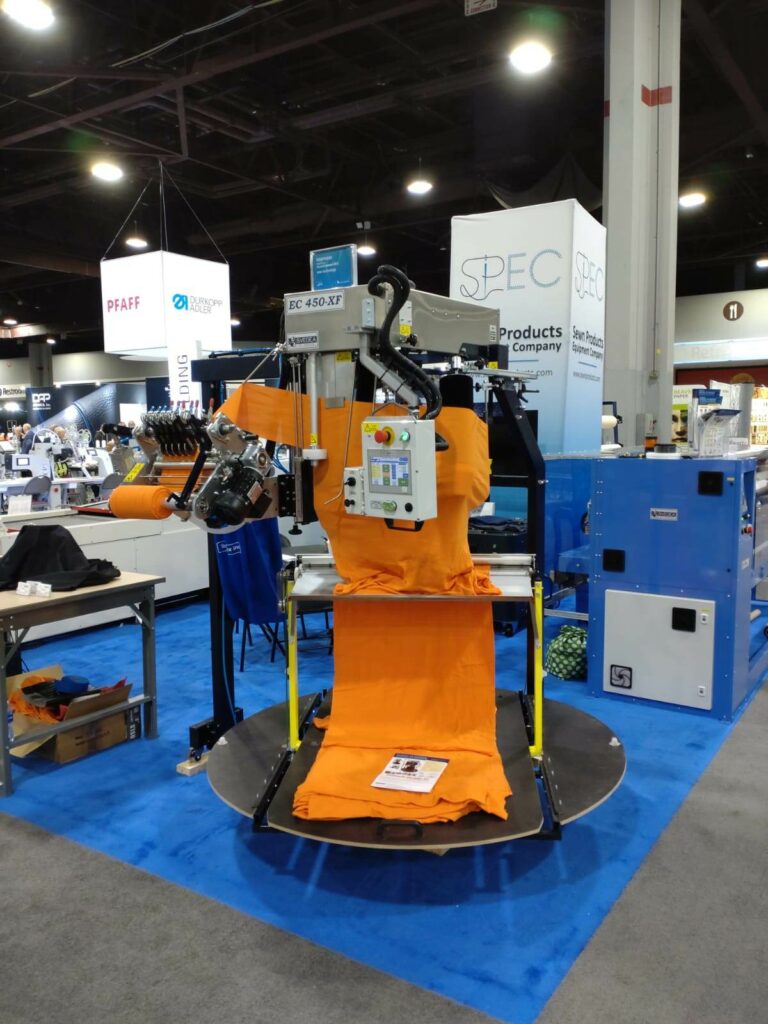
Embrace the Future of Textiles
The textile trends for 2025 highlight the exciting innovations and shifts happening in the industry. From sustainability to smart textiles, these trends are shaping the future of fashion and home decor. As we embrace these changes, staying informed and adapting to the evolving landscape is essential.
Keeping up with these trends requires the right machinery for those in the textile production industry. Contact Svegea of Sweden for all your textile production machinery needs. With its advanced technology and expertise, Svegea can help you stay ahead in this dynamic industry.
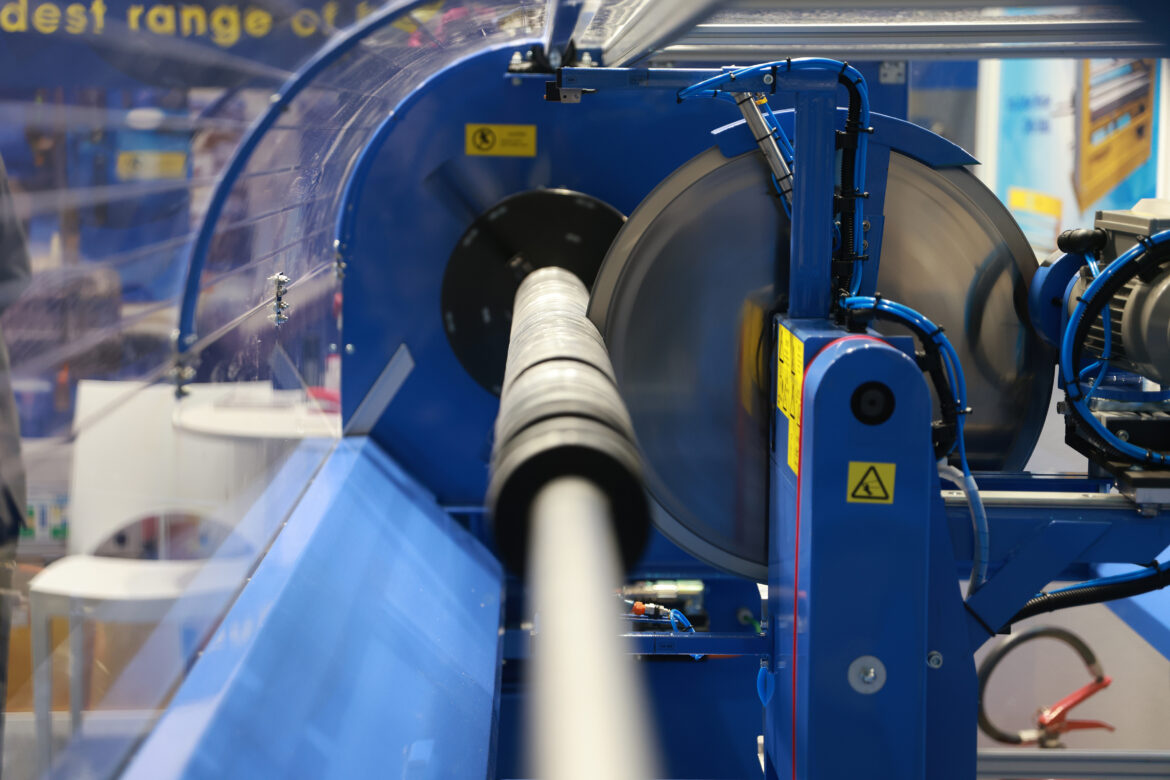
The textile industry is no stranger to innovation. From early mechanization to today’s cutting-edge technologies, it has continually evolved to meet growing demands. In this era, automated textile machines are leading the charge with their state-of-the-art efficiency.
The Role of Automated Textile Machines
Automation has become a cornerstone of modern textile manufacturing, enabling greater precision and efficiency. Svegea’s automated systems, such as the Fully Automatic Roll Slitting Machine, exemplify how technology can optimize production while maintaining exceptional quality.
Efficiency at Its Core
Automated machines offer unmatched speed and precision. Svegea’s Roll Slitting Machine, for instance, transforms raw materials into finished rolls with minimal waste and maximum consistency. This efficiency helps manufacturers meet tight deadlines without compromising quality.
A Safer Workplace
Safety is critical in any manufacturing environment. Svegea incorporates advanced safety features into its machines, protecting operators and reducing risks. Intuitive controls and built-in safeguards ensure smooth, secure operations while minimizing downtime caused by accidents.
Automation: Transforming the Textile Landscape
1. Faster Production
Automation significantly accelerates production cycles. Machines like Svegea’s are designed to handle large volumes quickly and reliably, helping manufacturers keep pace with market demands.
2. Improved Quality
Automated systems incorporate sensors and monitoring technologies to ensure uniform results. Svegea’s machines deliver consistent, defect-free products, enhancing customer satisfaction and reducing rework.
3. Cost Efficiency
Although automation requires an initial investment, it reduces long-term expenses. Lower labor costs, minimized errors, and reduced material waste translate to significant savings for manufacturers.
4. Flexibility
Modern textile machines are highly adaptable. Svegea’s equipment can be tailored to produce various materials, enabling manufacturers to meet diverse client needs in a competitive market.
The Future of Textile Automation
1. Integration with IoT and AI
As the industry embraces smart manufacturing, technologies like the Internet of Things (IoT) and Artificial Intelligence (AI) will play a pivotal role. IoT-enabled devices can optimize workflows, while AI-driven analytics can predict maintenance needs, enhancing efficiency. Svegea is exploring these innovations to further enhance its product offerings.
2. Sustainability in Focus
Automated machines contribute to greener production by reducing energy use and waste. Svegea is committed to designing sustainable solutions that help manufacturers minimize their environmental impact.
3. Robotics and Advanced Automation
Robotic systems are increasingly performing complex tasks with remarkable accuracy. Svegea integrates robotics into its machines, pushing the boundaries of what textile automation can achieve.
Redefining Textile Automation
Automation is redefining textile manufacturing, driving efficiency, safety, and sustainability. Svegea’s innovative solutions empower manufacturers to stay ahead in an ever-evolving industry. As technology advances, Svegea remains dedicated to shaping the future of textile production.
For more information about Svegea’s solutions, reach out to us at info@svegea.se.
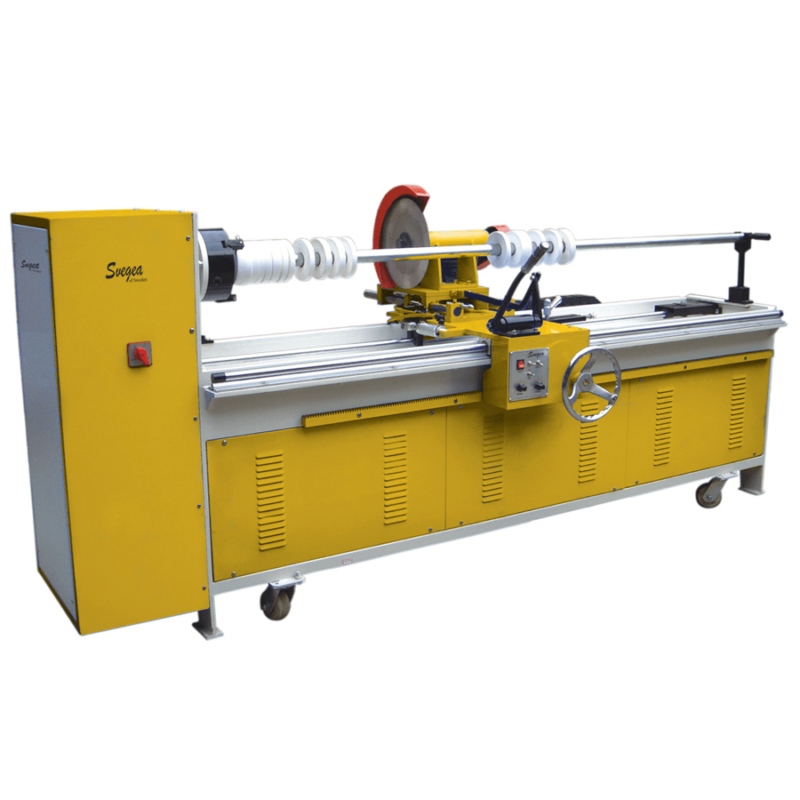
In today’s world, sustainability is more than just a buzzword; it’s necessary. The textile industry, known for its significant environmental impact, is transforming greener practices. Central to this shift is the adoption of sustainable textile production methods. The importance of using the right equipment lies at the heart of these methods. This blog will explore how advanced machinery contributes to a greener future and why choosing the right equipment is crucial for sustainable textile production.
The Environmental Impact of Textile Production
Textile production is one of the most resource-intensive industries globally. It involves the extensive use of water, energy, and chemicals, leading to significant environmental pollution. Traditional textile manufacturing processes often result in high levels of waste and emissions, contributing to water and air pollution. However, with the right equipment, these negative impacts can be significantly reduced.
Advanced Machinery: The Key to Sustainable Textile Production
Modern textile machinery is designed with sustainability in mind. These machines are more efficient, consume less energy, and produce less waste. For instance, advanced dyeing machines use less water and chemicals, reducing the environmental footprint of the dyeing process. Similarly, automated cutting machines minimize fabric waste, ensuring that every piece of material is utilized effectively.
One of the leading companies in this field is Svegea of Sweden. Their innovative machines are at the forefront of sustainable textile production. By integrating advanced technology and sustainable practices, Svegea’s equipment helps manufacturers reduce their environmental impact while maintaining high production standards. For more information on sustainable textile and leather production standards, you can visit the OEKO-TEX® STeP certification page.
Benefits of Using Sustainable Textile Machinery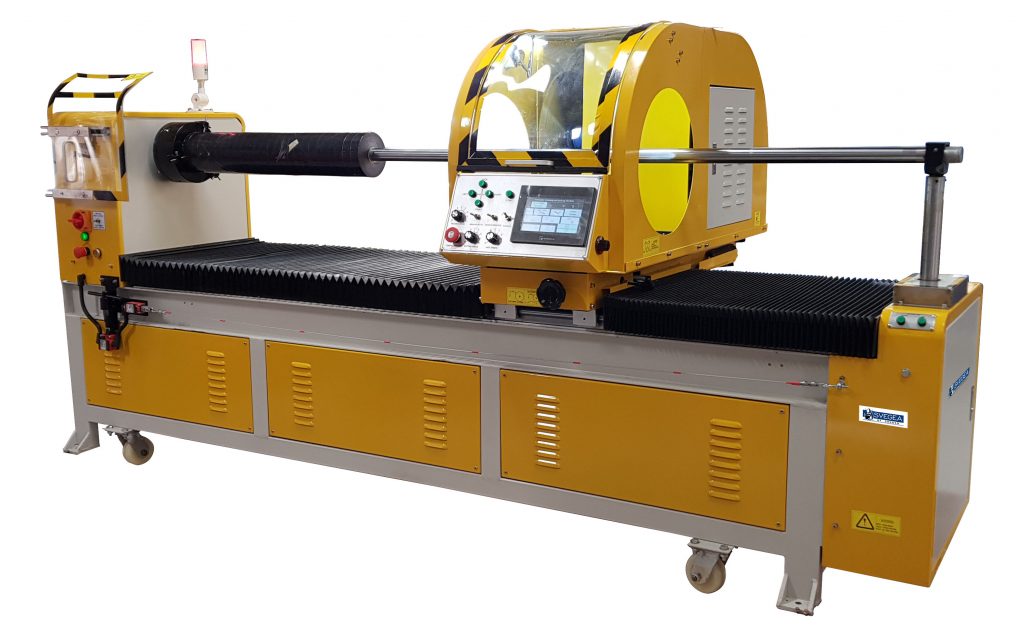
1. Reduced Energy Consumption: Modern textile machines are designed to be energy-efficient. They use advanced technologies such as variable frequency drives and energy recovery systems to minimize energy usage. This not only reduces the carbon footprint but also lowers operational costs.
2. Water Conservation: Traditional textile production processes are notorious for their high water consumption. Advanced machines, however, use water more efficiently. For example, modern dyeing machines can recycle water, significantly reducing the amount needed for each cycle.
3. Minimized Chemical Use: Sustainable textile machinery is designed to use fewer chemicals. This is achieved through precise control systems that ensure optimal use of dyes and other chemicals, reducing waste and environmental contamination.
4. Waste Reduction: Automated cutting and sewing machines are programmed to maximize fabric usage, reducing waste. This not only conserves resources but also lowers disposal costs.
5. Improved Product Quality: Sustainable machines often produce higher-quality textiles. This is because they operate with greater precision and consistency, leading to fewer defects and higher overall product quality.
The Future of Textile Production
The future of textile production lies in sustainability. As consumers become more environmentally conscious, the demand for sustainably produced textiles will continue to grow. Manufacturers who invest in the right equipment will be better positioned to meet this demand and stay competitive in the market.
Moreover, regulatory pressures are increasing, with governments around the world implementing stricter environmental standards. By adopting sustainable textile production practices now, manufacturers can stay ahead of these regulations and avoid potential penalties. For a deeper dive into sustainable textiles, you can read this blog post on eco-friendly fabric production.
Starting with the Right Equipment
Sustainable textile production starts with the right equipment. Advanced machinery not only reduces the environmental impact of textile manufacturing but also offers numerous benefits such as lower energy consumption, water conservation, minimized chemical use, waste reduction, and improved product quality. Companies like Svegea of Sweden are leading the way with their innovative and sustainable machines.
At Svegea of Sweden, we pride ourselves on leading the way in sustainable textile production. Our machines are designed to be both efficient and environmentally friendly. For instance, our automatic collarette cutting machines are renowned for their precision and minimal waste production. By investing in such advanced equipment, we help textile manufacturers significantly reduce their environmental impact.
Our commitment to sustainability extends beyond our products. We also focus on sustainable practices within our operations, such as using renewable energy sources and implementing waste reduction programs. This holistic approach ensures that our contribution to a greener future is comprehensive and impactful. To learn more about how advanced textiles are being developed to improve performance and sustainability, check out this article from Textile World.
If you’re looking to make your textile production more sustainable, consider investing in advanced machinery from Svegea of Sweden. Their commitment to sustainability and cutting-edge technology can help you achieve your environmental goals while maintaining high production standards.
Contact Svegea of Sweden today to learn more about how their machines can contribute to a greener future for your textile production.

Preserving history, one fabric at a time! Discover why textile conservation is crucial to safeguarding the past for future generations.
Textile conservation is a specialized field dedicated to preserving historical fabrics that offer a tangible connection to our past. These textiles aren’t just pieces of cloth; they tell stories of cultures, traditions, and technological advancements. This blog will explore the significance of textile conservation, the techniques involved, and how modern textile machines contribute to this delicate preservation process.
The Importance of Textile Conservation
Historical fabrics offer invaluable insights into social, economic, and cultural histories. Without proper conservation, these artifacts would deteriorate, erasing important chapters of human history. Textile conservation ensures that future generations can continue studying and appreciating these pieces of the past.
Cultural Significance
Textiles often hold deep cultural importance. Traditional garments showcase unique weaving techniques and patterns, offering glimpses into the identities of diverse communities. Preserving these fabrics helps protect cultural heritage, ensuring it remains intact for future generations to learn from.
Educational Value
Historical fabrics serve as powerful educational tools. Researchers and students can study ancient techniques, materials, and designs that have shaped modern innovations in textiles. By conserving these textiles, we preserve this knowledge for future generations to explore.
Techniques in Textile Conservation
Preserving delicate fabrics requires specialized techniques tailored to the fabric’s age, condition, and historical value.
- Cleaning and Stabilization – One of the first steps in textile conservation is gentle cleaning to remove dirt and contaminants. Stabilization follows, reinforcing fragile areas to prevent further damage while maintaining the fabric’s integrity.
- Repair and Restoration – In some cases, conservators repair damaged textiles, ensuring that repairs are as discreet as possible. Restoration work aims to return the fabric to its original appearance, allowing it to tell its full story while maintaining authenticity.
The Role of Textile Machines
Modern textile machines play a pivotal role in helping conservators perform these intricate tasks with precision.
- Advanced Weaving Machines – These machines can replicate historical weaving techniques, making it easier to create seamless patches that blend with the original fabric. This ensures that repairs remain nearly invisible, preserving the authenticity of the textile.
- Cleaning and Drying Equipment – Specialized cleaning and drying machines help protect fragile fabrics by providing a controlled environment. These machines ensure that delicate textiles are handled with care during every step of the cleaning process.
Svegea of Sweden: Precision Machines for Conservation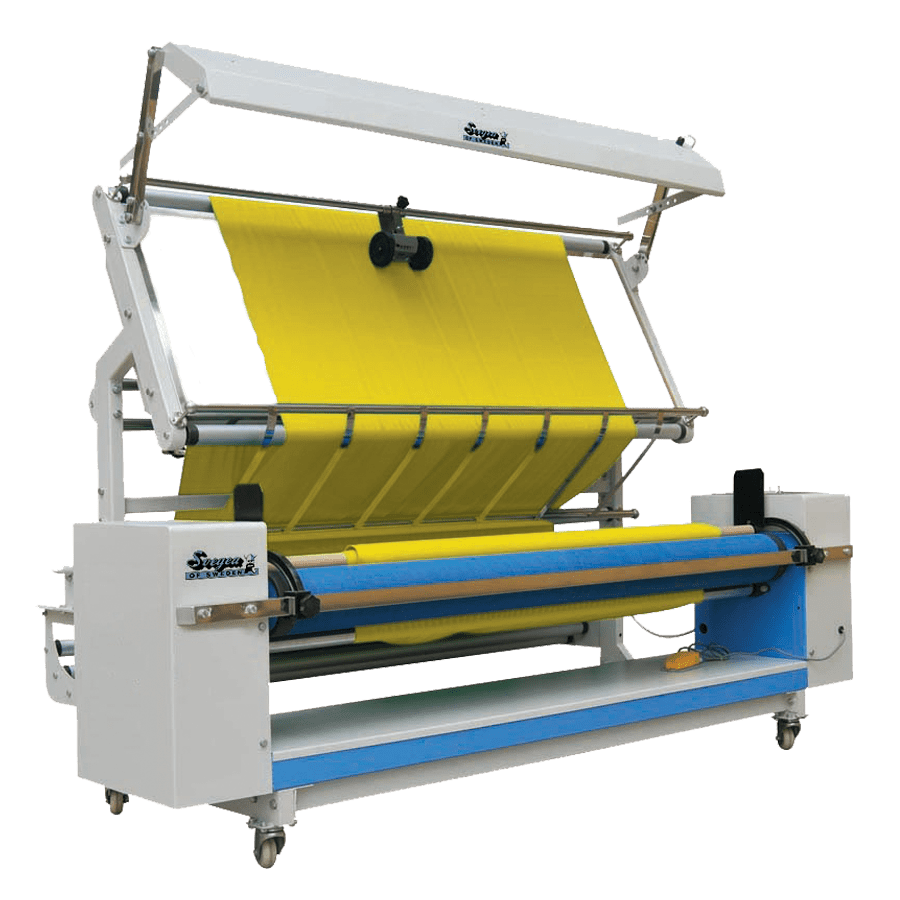
Svegea of Sweden provides advanced textile machines that play a vital role in modern textile manufacturing and quality control. Their equipment, including the Fabric Inspection Machine CMI 180, is designed for precision and delicate handling, ensuring high-quality fabrics. While primarily used for quality control, these machines support the broader textile industry, which includes conservation efforts by ensuring that only the best materials are used in preservation projects.
Case Studies in Textile Conservation
Several high-profile conservation projects highlight the importance and success of textile conservation:
- The Bayeux Tapestry: An 11th-century masterpiece, the Bayeux Tapestry underwent meticulous cleaning and stabilization, preserving it for generations to come.
- The Shroud of Turin: This significant religious artifact benefited from advanced textile conservation techniques, ensuring its continued preservation.
Challenges in Textile Conservation
Textile conservation faces several challenges, including the fragility of fabrics and environmental threats such as humidity, light, and temperature.
Fabric Fragility
Handling fragile textiles requires expert knowledge and specialized equipment to avoid causing further damage during the conservation process.
Environmental Factors
Conservators must constantly manage factors such as humidity and light exposure, which can accelerate the deterioration of historical fabrics. Controlled environments are essential for long-term preservation.
The Future of Textile Conservation
Technological advancements and growing awareness promise a bright future for textile conservation.
Technological Innovations
Cutting-edge technologies like 3D scanning and digital imaging allow conservators to analyze fabrics in unprecedented detail. These innovations are transforming preservation techniques, enabling conservators to develop more effective methods.
Increased Awareness
Growing public and institutional awareness of the importance of textile conservation has led to increased funding and support for preservation projects. As more people understand the value of preserving these historical fabrics, the future of textile conservation looks bright.
Preserving Cultural Heritage
Textile conservation is essential for preserving our cultural heritage and ensuring future generations have access to these invaluable artifacts. By using advanced techniques and modern machines like those from Svegea of Sweden, conservators can safeguard these fabrics for years to come. As we continue to innovate and raise awareness, textile conservation will thrive, preserving history—one fabric at a time.
For expert textile machines, contact Svegea of Sweden for precision solutions tailored to your conservation needs.
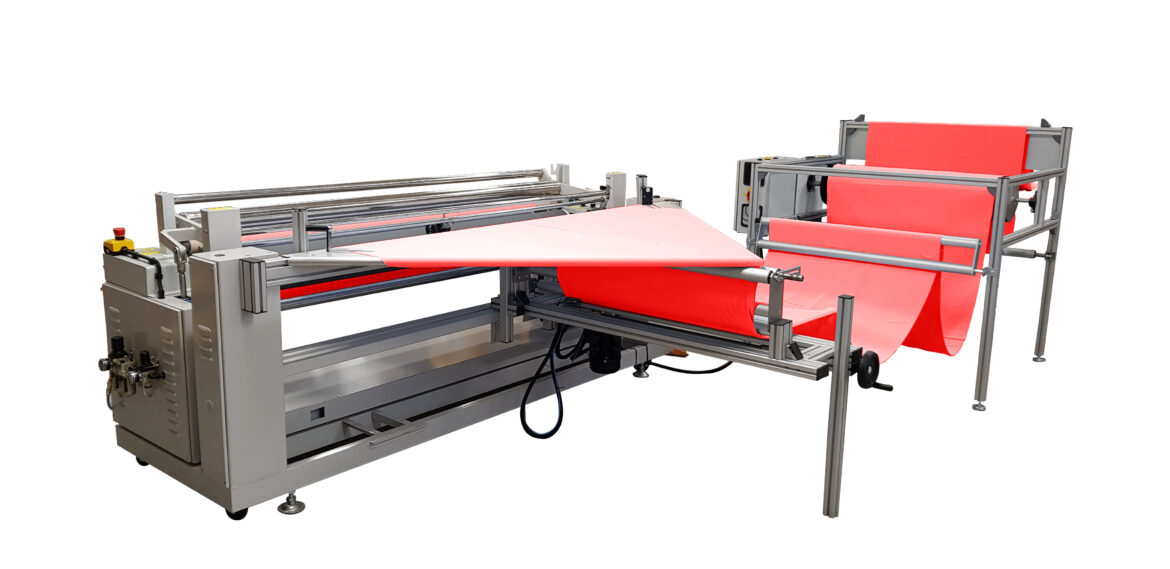
Choosing the right textile machinery can be a daunting task, especially with the plethora of options available in the market. The decision impacts your production efficiency, product quality, and overall business profitability. Here are some key tips to help you navigate this critical process.
1. Understand Your Production Needs
Before investing in textile machinery, it’s crucial to understand your specific production needs. Different types of machinery serve various purposes, from weaving and knitting to dyeing and finishing. Determine the scale of your operations, the types of textiles you produce, and your production goals. This understanding will guide your choice of machinery that best suits your requirements.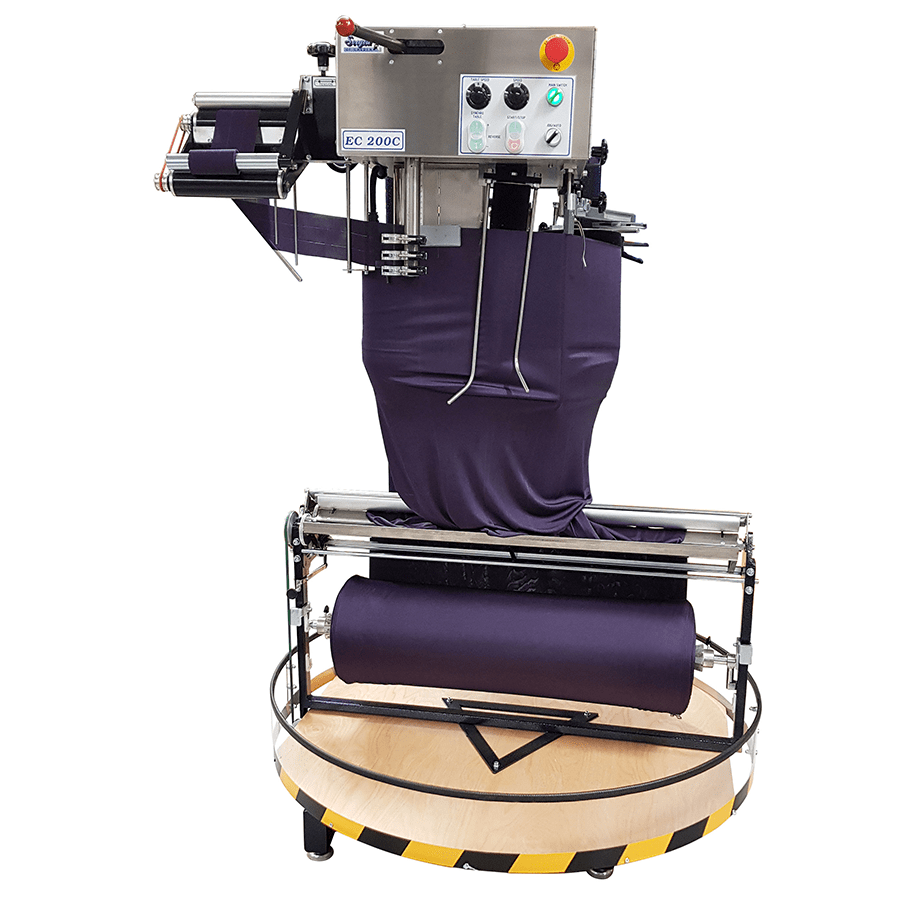
2. Evaluate Technology and Features
Modern textile machinery comes with a range of advanced technologies and features designed to enhance productivity and quality. Look for machines that offer automation, precision control, and energy efficiency. For instance, Svegea of Sweden offers cutting-edge machinery equipped with the latest technology, ensuring high efficiency and minimal waste. Our products are known for their durability and innovative features.
3. Consider Quality and Reliability
Quality and reliability are paramount when choosing textile machinery. Investing in high-quality machines may come with a higher initial cost, but it ensures long-term performance and fewer breakdowns. Research and compare different brands, read reviews, and consider the manufacturer’s reputation. Modesty aside, our brand has a proven track record of producing reliable and high-quality textile machinery.
4. Assess After-Sales Support and Maintenance
After-sales support and maintenance services are crucial for the smooth operation of textile machinery. Ensure that the manufacturer offers comprehensive support, including installation, training, and regular maintenance services. We provide excellent customer support and maintenance services, ensuring that your machinery operates optimally.
5. Analyze Cost and Return on Investment (ROI)
While the cost of textile machinery is a significant factor, it’s essential to consider the return on investment (ROI). A more expensive machine with advanced features and higher efficiency can lead to cost savings in the long run. Calculate the total cost of ownership, including maintenance and operational costs, and compare it with the expected benefits. Opt for machines that offer the best value for money.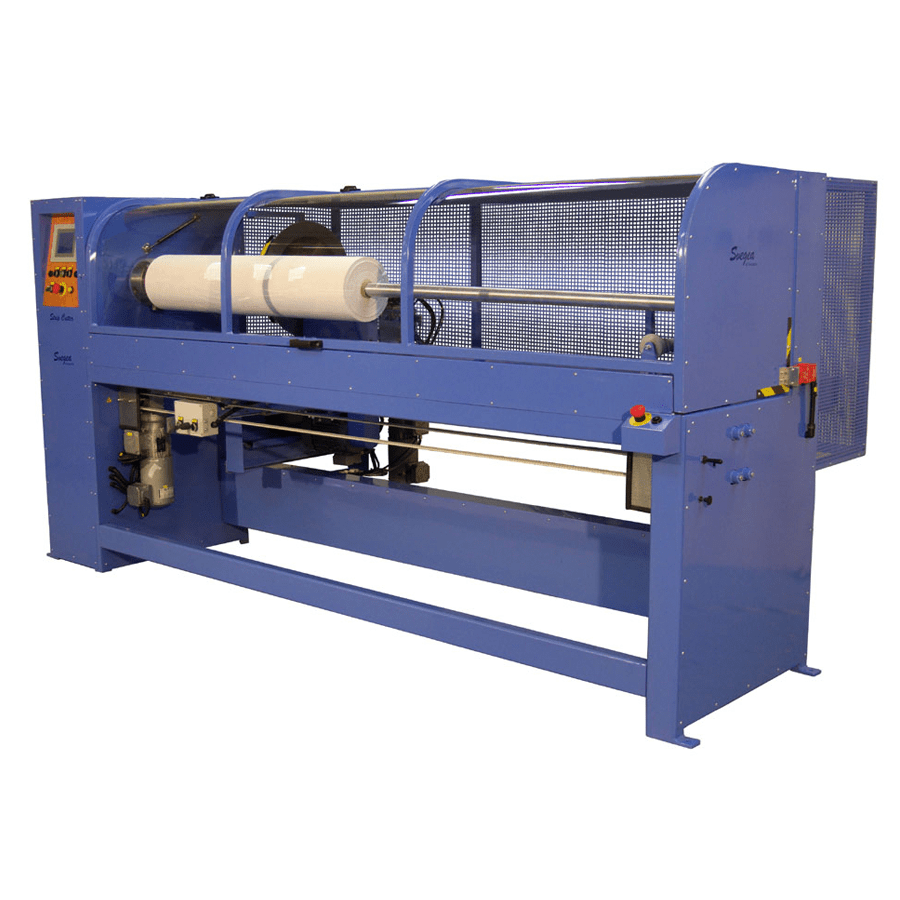
6. Environmental Considerations
Sustainability is a growing concern in the textile industry. Choose machinery that is energy-efficient and environmentally friendly. Machines that reduce water and chemical usage, minimize waste, and consume less energy are ideal. This Swedish textile company is known for producing sustainable textile machinery that aligns with eco-friendly production practices.
7. Compatibility with Existing Systems
Ensure that the new machinery is compatible with your existing systems and processes. Incompatibility can lead to production delays and additional costs. Consult with the manufacturer or a technical expert to evaluate the integration process. A company that offers flexible machinery solutions that can be seamlessly integrated into various production setups, should be the right choice.
Explore Svegea of Sweden’s Textile Machinery
Choosing the right textile machinery is a critical decision that impacts your production efficiency and product quality. By considering factors such as your production needs, technology and features, quality, after-sales support, cost, environmental impact, and compatibility, you can make an informed choice. Svegea of Sweden’s innovative machinery solutions are designed to meet diverse production requirements while ensuring high efficiency and sustainability.
Curious about how we can elevate your textile production process? Visit our product page for more information and start your journey towards optimal textile production today.

In a world where sustainability is becoming more than a buzzword, the fashion industry is undergoing a significant transformation. One of the most innovative and impactful changes is the adoption of zero waste pattern cutting. This method not only revolutionizes the way garments are produced but also addresses the environmental concerns associated with traditional fashion practices.
Understanding Zero Waste Pattern Cutting
Zero waste pattern cutting is a design technique that aims to eliminate fabric waste in the creation of garments. Traditional garment production often results in approximately 15-20% of fabric waste due to the inefficient placement of patterns on the fabric. This discarded material often ends up in landfills, contributing to environmental pollution.
In contrast, zero waste pattern cutting meticulously plans the layout of each piece of fabric, ensuring that every inch is utilized. This approach can involve intricate designs, geometric shapes, and innovative sewing techniques to fit the pieces together like a puzzle. The result is a garment that uses all the fabric with minimal to no waste.
The Environmental Impact
The fashion industry is notorious for its environmental footprint. From water consumption to carbon emissions, the production of clothing has significant impacts on the planet. Zero waste pattern cutting offers a practical solution to one of these issues: fabric waste.
By reducing fabric waste, this method helps in conserving resources. It means fewer raw materials are needed, reducing the demand for water, energy, and chemicals involved in fabric production. Additionally, less waste means fewer textiles end up in landfills, decreasing environmental pollution.
Economic Benefits
While the environmental benefits of zero waste pattern cutting are clear, the economic advantages are equally compelling. For designers and manufacturers, fabric is a significant cost. By maximizing fabric usage, zero waste techniques can lead to substantial cost savings.
Moreover, as consumers become more conscious of sustainability, there is a growing market for eco-friendly products. Brands that adopt zero waste practices can attract environmentally conscious customers, willing to pay a premium for sustainable fashion. This shift not only helps the planet but also makes good business sense.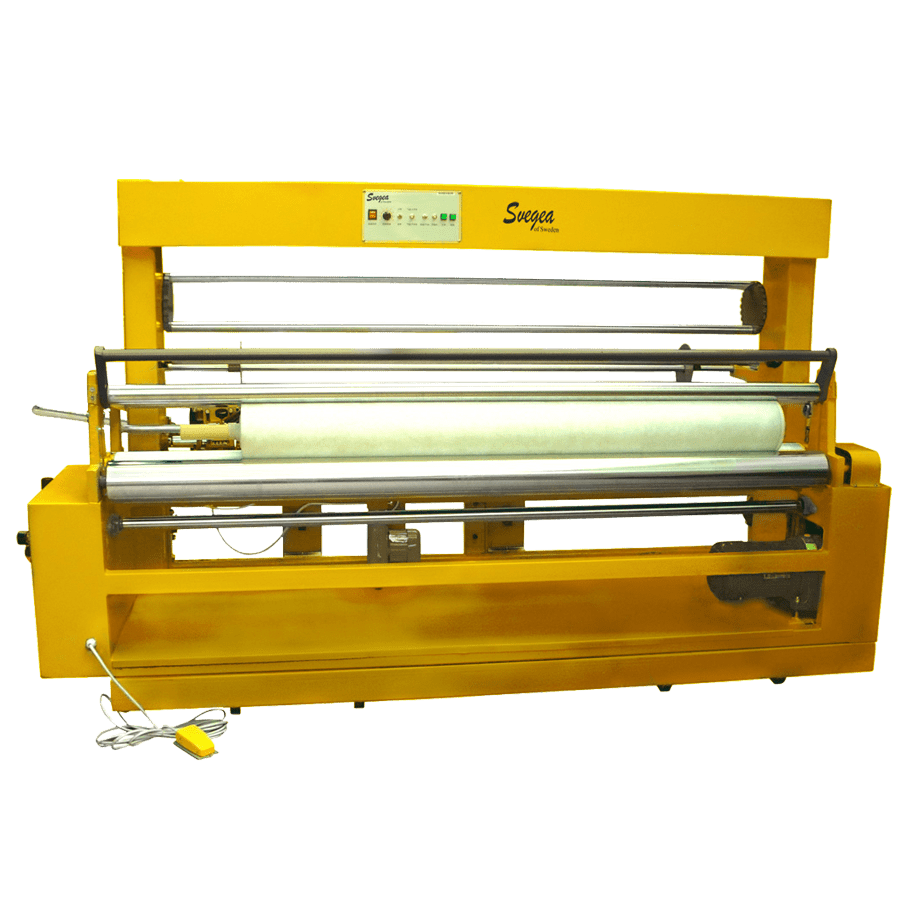
Challenges and Innovations
Despite its many benefits, zero waste pattern cutting is not without its challenges. The method requires a high level of skill and creativity. Designers must rethink the way they approach garment construction, often needing to create entirely new patterns and techniques.
However, this challenge has spurred innovation in the industry. Designers are experimenting with modular designs, where pieces can be rearranged and used in multiple ways. Digital tools and software are also being developed to aid in the creation of zero waste patterns, making the process more accessible to a broader range of designers.
Success Stories
Many brands and designers are already making significant strides in zero waste fashion. For instance, designers like Timo Rissanen and Holly McQuillan are pioneers in this field, pushing the boundaries of what is possible with zero waste pattern cutting. Their work not only showcases the potential of this method but also inspires others in the industry to follow suit.
Brands like Tonlé and Daniel Silverstein (Zero Waste Daniel) have built their entire business models around zero waste principles. They demonstrate that sustainability and style can go hand in hand, offering chic and modern designs that do not compromise on environmental values.
The Future of Fashion
As the fashion industry continues to evolve, the importance of sustainable practices cannot be overstated. Zero waste pattern cutting represents a significant step forward in this journey. It challenges the status quo, pushing designers and manufacturers to think creatively and responsibly.
The future of fashion lies in innovation and sustainability. By adopting zero waste techniques, the industry can reduce its environmental footprint, create economic opportunities, and cater to a growing market of eco-conscious consumers. As more brands embrace this method, we can look forward to a fashion industry that not only looks good but does good for the planet.
Svegea of Sweden: Revolutionizing Zero Waste with Advanced Technology
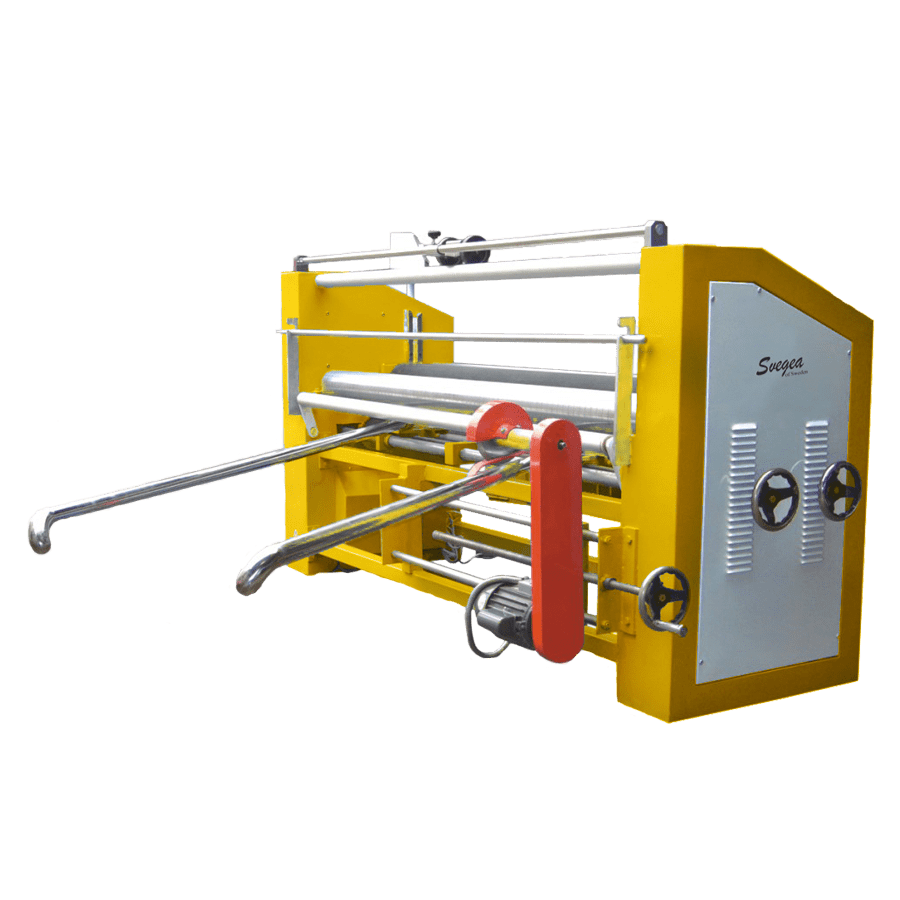
One notable brand making strides in the realm of zero waste pattern cutting is Svegea of Sweden. Known for their advanced cutting machinery, Svegea offers innovative solutions designed to maximize fabric utilization. Their machines not only enhance precision but also significantly reduce waste, aligning perfectly with the zero waste philosophy. By incorporating Svegea’s technology, designers can seamlessly integrate zero waste techniques into their production process.
Curious about how Svegea of Sweden can elevate your zero waste pattern cutting process? Visit our contact page for more information on our cutting-edge machinery and start your journey towards a more sustainable future today.