

In recent years, the fashion industry has witnessed a significant transformation with the advent of immersive fashion. This innovative approach leverages virtual try-ons, augmented reality (AR), virtual reality (VR) experiences, and interactive design to create a more engaging and personalized shopping experience. Svegea of Sweden is leading this revolution, advancing the fashion industry with its cutting-edge textile machines.
The Rise of Virtual Try-Ons
Virtual try-ons have become a game-changer in the fashion industry. Advanced technology now allows customers to try on clothes virtually, enhancing the shopping experience and reducing returns. Virtual try-on uses AR to overlay digital images of clothing onto a live video feed of the customer, allowing them to see how different outfits look on them in real-time.
Augmented Reality (AR) and Virtual Reality (VR) Experiences
AR and VR technologies have opened up new possibilities for the fashion industry. AR allows customers to see how clothes, accessories, and even makeup will look on them without physically trying them on. This technology is especially helpful for online shopping, allowing customers to make informed decisions based on virtual product displays.
VR, on the other hand, offers immersive fashion experiences that transport customers to virtual fashion shows, fitting rooms, and even designer studios. These experiences provide a unique and engaging way for customers to interact with brands and explore new collections. 
Interactive Design: A New Era of Customization
Interactive design is another key aspect of immersive fashion. This approach allows customers to personalize their clothing and accessories, creating unique pieces that reflect their style. Through interactive design platforms, customers can choose fabrics, colors, and patterns, and even add custom details to their garments.
The Impact on the Fashion Ecosystem
The integration of immersive fashion technologies has far-reaching implications for the fashion ecosystem. Not only does it enhance customer satisfaction with a more engaging and personalized shopping experience, but it also contributes to environmental sustainability by reducing returns and overproduction.
Revolutionizing Fashion
Immersive fashion is revolutionizing the way we shop and interact with fashion brands. Virtual try-ons, AR/VR experiences, and interactive design are transforming the fashion landscape, making it more engaging, personalized, and sustainable. Innovative textile companies are at the forefront of this transformation. And they provide the technology and solutions needed to support this new era of fashion.
As the fashion industry continues to evolve, the role of immersive fashion will only become more prominent. By embracing these technologies, brands can create unique and memorable experiences for their customers. This action will ultimately drive growth and innovation in the fashion ecosystem. 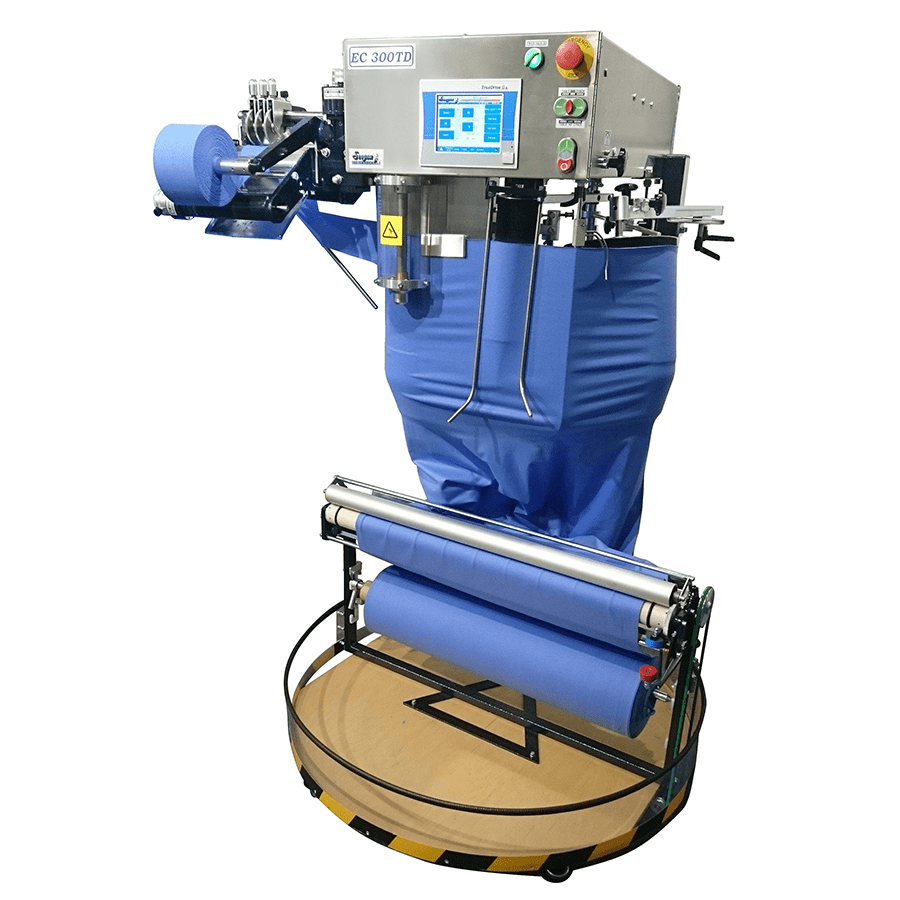
Svegea of Sweden’s contributions to this ecosystem are significant. Their innovative textile machines support the production of high-quality garments that are suitable for virtual try-ons, AR/VR experiences, and interactive design. By enabling the creation of accurate and realistic digital representations of clothing, Svegea helps bridge the gap between the physical and digital worlds.
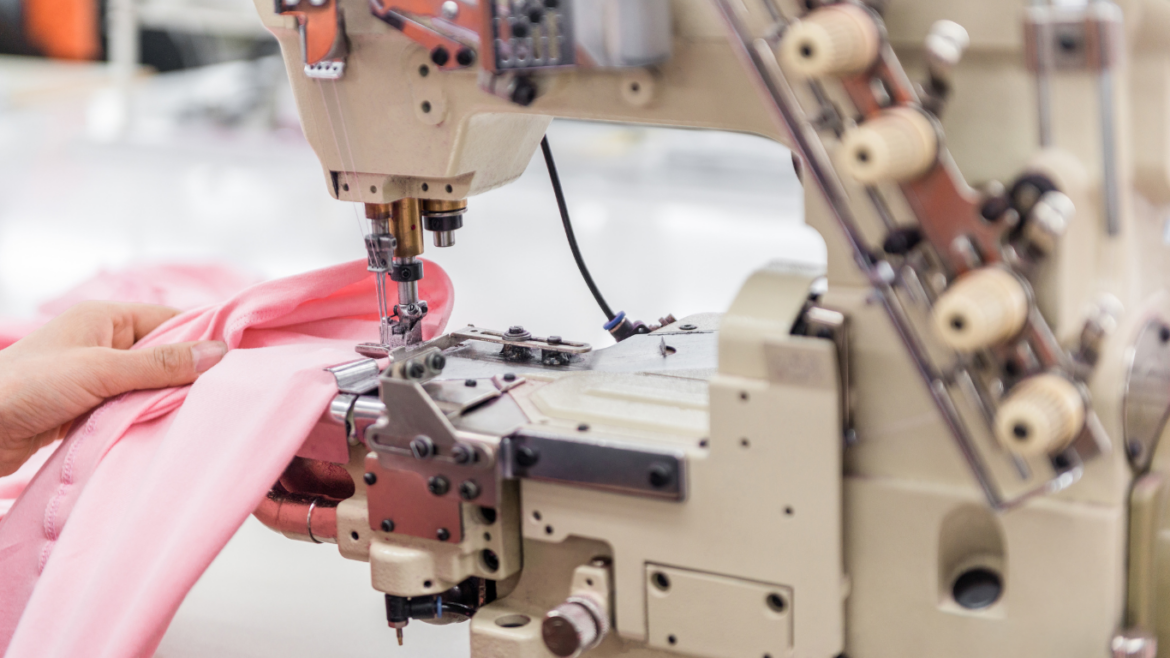
The garment industry, a cornerstone of global manufacturing, has faced numerous challenges and transformations over the years. Despite the rapid advancement of artificial intelligence (AI) and other cutting-edge technologies, garment manufacturing companies continues to thrive. This article explores how the industry adapts and prospers in the face of technological evolution.
Embracing Technological Advancements
The integration of AI and automation in garment manufacturing has revolutionized the industry. Technologies such as the Internet of Things (IoT), machine learning, and robotics have enhanced production efficiency and precision. AI-driven systems can predict fashion trends, optimize supply chains, and improve quality control. These advancements have allowed manufacturers to meet the growing demand for fast fashion while maintaining high standards of quality.
However, the garment industry has not fully automated its processes. The intricate tasks of cutting, sewing, and assembling garments still require human expertise. This blend of human skill and technological innovation has created a unique synergy, ensuring that the industry remains competitive and resilient.
The Human Touch in Garment Manufacturing
While AI and automation have streamlined many aspects of garment manufacturing, the human touch remains indispensable. Skilled artisans and workers bring creativity, precision, and adaptability to the production process. This human element is particularly crucial in high-end fashion, where bespoke tailoring and intricate designs demand a level of craftsmanship that machines cannot replicate.
Moreover, the collaboration between humans and machines has led to the emergence of Industry 5.0, where technology enhances human capabilities rather than replacing them. This approach fosters a more sustainable and efficient manufacturing process, benefiting both producers and consumers.
Sustainability and Ethical Practices
In recent years, there has been a growing emphasis on sustainability and ethical practices within the garment industry. Advanced technologies have played a significant role in this shift. For example, AI can optimize resource usage, reducing waste and minimizing the environmental impact of garment manufacturing. Additionally, blockchain technology is being used to ensure transparency and traceability in supply chains, promoting fair labor practices and ethical sourcing of materials.
These innovations have not only improved the industry’s sustainability but also enhanced its reputation among consumers who are increasingly conscious of the environmental and social impact of their purchases.
Adapting to Market Demands
The garment industry has shown remarkable adaptability in responding to changing market demands. The rise of e-commerce and the shift towards personalized fashion have driven manufacturers to adopt more flexible and responsive production methods. AI-powered tools enable manufacturers to analyze consumer preferences and tailor their offerings accordingly. This ability to quickly adapt to market trends has been a key factor in the industry’s continued success.
Furthermore, the COVID-19 pandemic accelerated the adoption of digital technologies in garment manufacturing. Virtual fitting rooms, 3D design software, and online collaboration tools have become essential in maintaining operations and meeting customer expectations during times of social distancing and lockdowns.

The Future of Garment Manufacturing
Looking ahead, the garment industry is poised to continue its evolution, leveraging AI and other advanced technologies to drive innovation and growth. The integration of smart textiles, wearable technology, and AI-driven design tools will further enhance the capabilities of garment manufacturers. These advancements will enable the creation of garments that are not only stylish but also functional, offering features such as temperature regulation and health monitoring.
Moreover, the ongoing development of sustainable materials and eco-friendly production methods will ensure that the industry remains aligned with global efforts to combat climate change and promote environmental stewardship.
Remarkable Resilience and Adaptability
The garment industry has demonstrated remarkable resilience and adaptability in the face of rapid technological advancements. By embracing AI and other cutting-edge technologies, while preserving the essential human touch, garment manufacturing continues to thrive. The industry’s commitment to sustainability, ethical practices, and responsiveness to market demands ensures its continued success in the ever-evolving landscape of global manufacturing.
As a testament to the industry’s innovative spirit, companies like Svegea of Sweden are providing state-of-the-art textile machinery that enhances production efficiency and quality. These advancements support garment manufacturers in their quest to stay competitive and meet the demands of a dynamic market.
Discover the future of garment manufacturing with innovative solutions from Svegea of Sweden. Enhance your production efficiency and quality today. Talk to us to learn more!

In the ever-evolving tapestry of the textile industry, staying ahead of the curve isn’t just smart—it’s essential. As we thread our way through 2024, let’s unravel the spool of future trends in textile manufacturing that are stitching a new narrative for fabric production.
Smart Textiles: The Brainy Fibers
Imagine a world where your clothes adjust to your body temperature, track your health stats, or even change color to match your mood. No, it’s not science fiction; it’s the magic of smart textiles. These brainy fibers integrate advanced materials to bring intelligence to our wardrobes. It’s like having a personal assistant woven into your jeans!
3D Technologies: Tailoring a New Reality
Gone are the days of one-size-fits-all. With 3D technologies in fashion, custom-fit clothing is becoming the norm, not the exception. This trend is not just about looking good; it’s about precision, efficiency, and reducing waste. So, if you’re tired of clothes that just don’t fit right, the future looks tailor-made for you.
Sustainable Supply Chains: Green Is the New Black
As the industry spins toward sustainability, sustainable supply chains are becoming as crucial as fashion. It’s about creating a cycle of production that respects the planet as much as it does profit. After all, what’s the point of looking good if we don’t have a planet to look good on?
Customization and Personalization: The ‘You’ in Your Clothes
In a world where everyone wants to stand out, customization is king. The future of textiles is personal, with bespoke designs and personalized experiences becoming the new standard. It’s time to wear your personality on your sleeve—literally.
AI and Data Analytics: The Style Algorithm
Data is the new thread in textile manufacturing, with AI and data analytics weaving patterns of efficiency and innovation. These technologies are not just about crunching numbers; they’re about creating fabrics that are smarter, more responsive, and, dare we say, more fashionable.
Engaging the Right Partner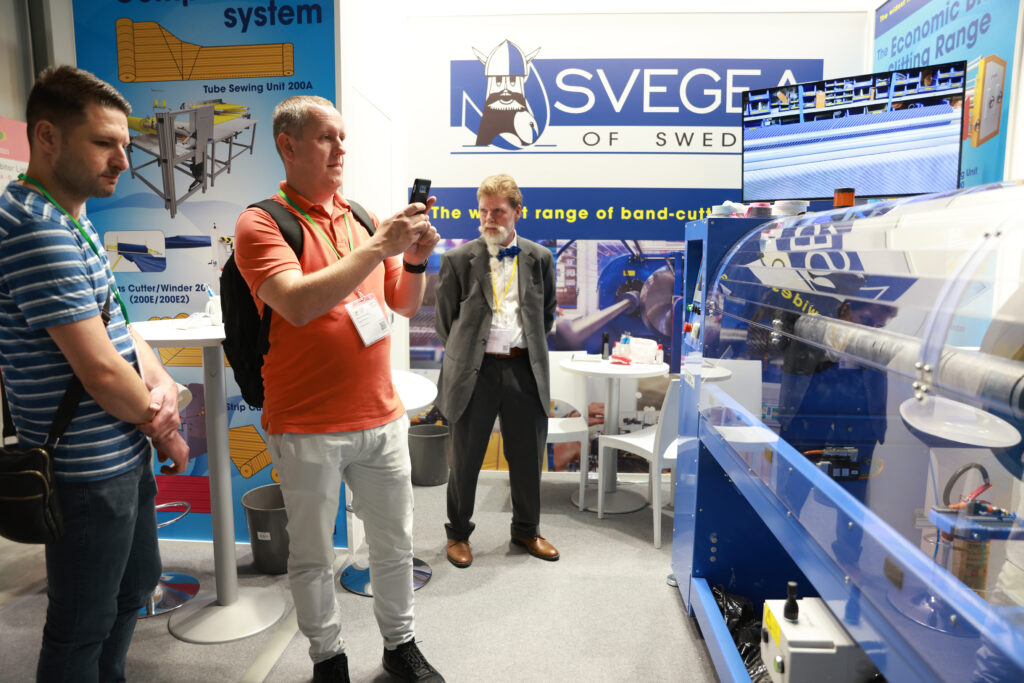
As we embrace these future trends, it’s clear that the right partner can make all the difference. Engage the services of a textile manufacturing company that’s not just keeping up with these trends but is at the forefront of the textile revolution. You want to be in good company. Whether it’s smart textiles or sustainable practices, Svegea is the go-to for any manufacturing needs to cope with the future trends in textiles.
It’s an exciting time to be in the industry, and with companies like Svegea of Sweden leading the charge, the future is not just bright; it’s brilliant. For more insights into these trends, check out the full reports from StartUs Insights and GreyB. And remember, when it comes to the future of textiles, don’t just follow the trends—wear them.
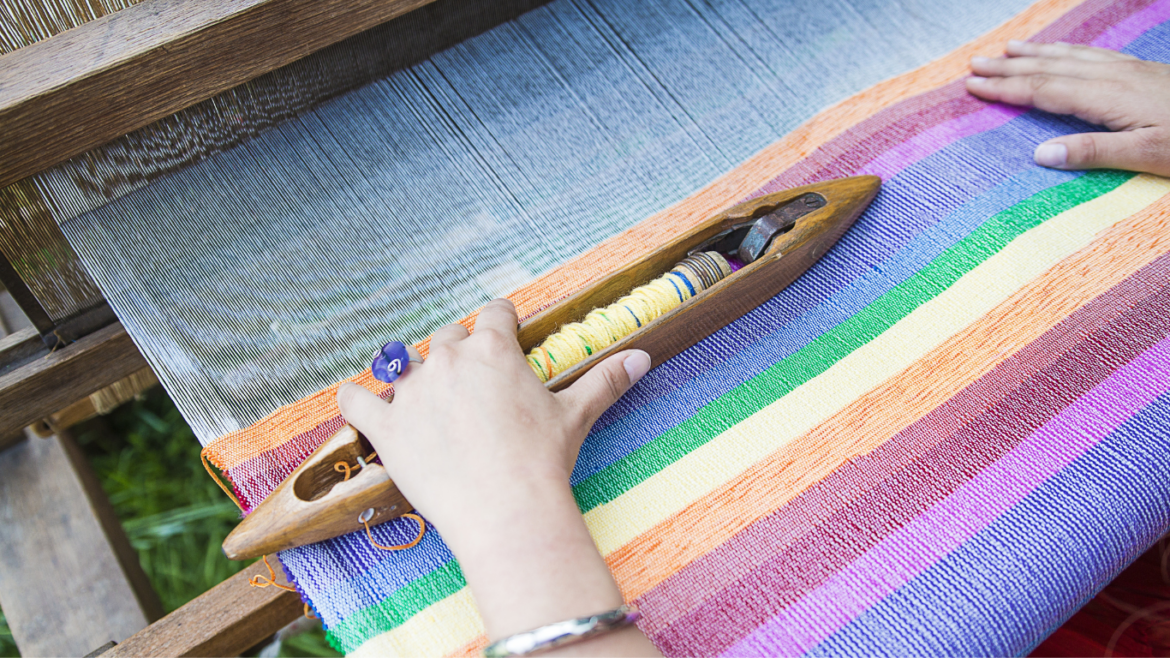
Luxury has evolved beyond mere opulence and exclusivity. It now tells the story of each design piece, highlighting meticulous craftsmanship and a commitment to ethical and sustainable practices. This article explores the world of high-end textiles, with fabric production as its cornerstone.
The Artisans and Their Craft
At the heart of luxury textiles are talented artisans. These skilled craftsmen and women create exquisite fabrics with unparalleled attention to detail. Every stitch, cut, and curve reflects their dedication, driving the continuous evolution of luxury with highly sought-after designs.
Slow Design and Bespoke Quality
Artisanal textiles are deeply rooted in craftsmanship. Unlike mass-produced goods, these items are created meticulously and thoughtfully. This movement, known as Slow Design, celebrates quality over quantity. Each piece is a unique work of art, reflecting the artisan’s expertise and passion.
The Journey from Fiber to Fabric
1. Fiber Selection: Luxury textiles begin with carefully chosen raw materials. Whether it’s silk, cashmere, or organic cotton, the quality of the fiber sets the foundation for the final product.
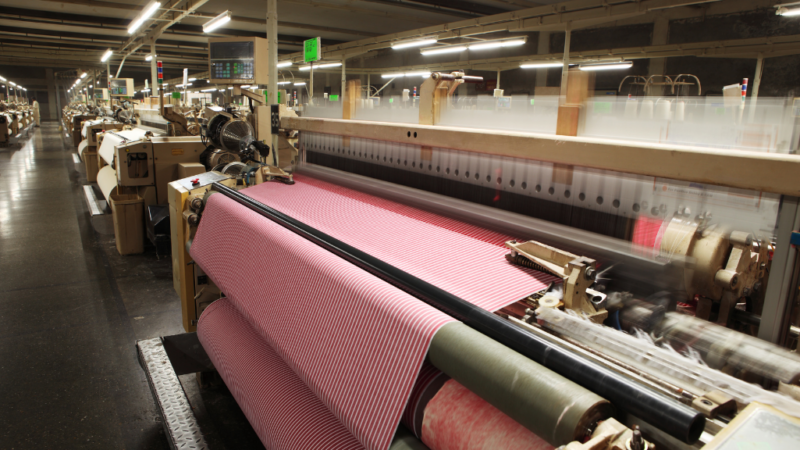
2. Spinning and Weaving: Artisans spin the fibers into yarns, which are then woven into fabric. Jacquard looms, guided by intricate patterns, produce complex designs that grace haute couture and high-end interiors.
3. Dyeing and Finishing: Artisans meticulously curate the color palette and apply dyes precisely. Finishing techniques—such as mercerization or calendering—enhance texture and luster.
4. Hand Embellishments: Embroidery, beading, and appliqué add a touch of luxury. Skilled hands transform plain fabric into wearable art.
The Role of Svegea of Sweden
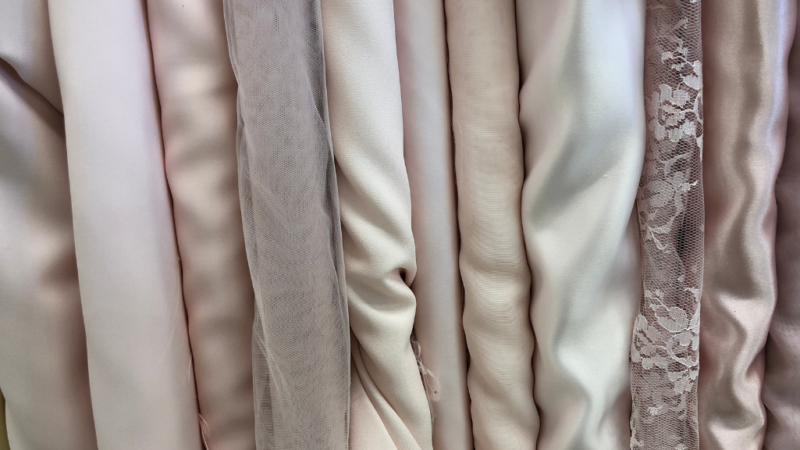
Svegea of Sweden, a renowned textile machinery manufacturer, plays a crucial role in luxury fabric production. Their cutting-edge machines enable precise weaving, intricate patterns, and flawless finishes. From jacquard looms to automated knitting devices, Svegea’s technology empowers artisans to create fabrics that define luxury.
Subscribe to our blog for more insights into the world of luxury textiles, craftsmanship, and sustainable practices. Stay informed and inspired as we unravel the secrets behind high-end fabrics.

The textile industry is undergoing a profound transformation, propelled by Artificial Intelligence (AI). Gone are the days dominated by manual labor; now, precision and efficiency reign supreme. Let’s explore the dynamic shift of AI in textile manufacturing:
1. AI Empowers Precision and Quality
AI-driven systems detect defects in fabrics, patterns, and colors before they escalate, ensuring top-notch quality and minimizing waste. These systems streamline production, guaranteeing consistency and excellence across products.
Moreover, AI algorithms analyze intricate designs with unmatched precision, ensuring every detail meets specifications. This meticulous scrutiny extends to color matching, maintaining uniformity and visual appeal throughout production.
2. The Rise of Smart Apparel
Welcome to the era of smart apparel, where AI and IoT converge to create functional and stylish clothing. Imagine garments that not only look good but also monitor vital signs seamlessly. Unlike conventional wearables, smart clothing provides continuous health monitoring for a holistic user experience.

3. Sustainable AI with Ultra-Low-Power Technologies
To harness AI sustainably, ultra-low-power (ULP) technologies are crucial. These energy-efficient solutions enable smart textiles to operate seamlessly without compromising resources. They are the backbone of a sustainable AI revolution in textile manufacturing.
Embracing a New Era
The fusion of AI and textiles heralds a new era of innovation and sustainability. It’s a future where precision, quality, and environmental consciousness drive progress. Embrace this transformative journey and stay ahead in the dynamic world of textile manufacturing.
Discover how Svegea, a leader in textile machinery from Sweden, leverages AI to revolutionize production. Their innovative solutions embrace AI’s potential, making manufacturing smarter, efficient, and eco-friendly.
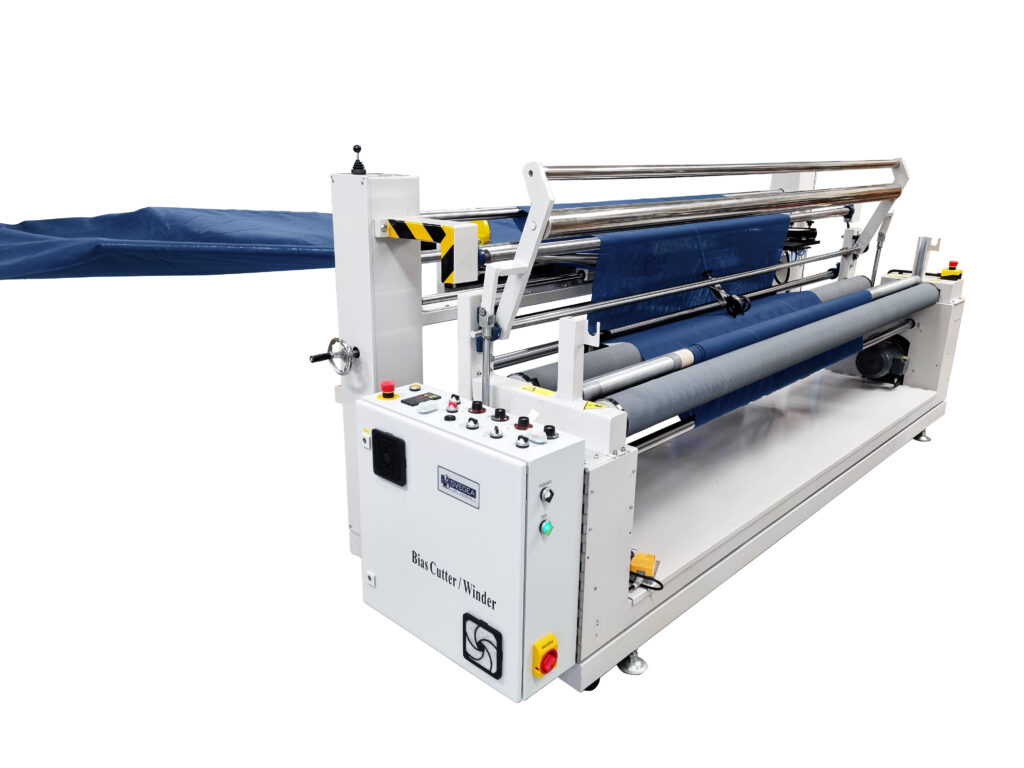
Svegea of Sweden offers cutting-edge textile machinery that leverages AI to optimize production efficiency. Explore our pages more to dive into AI-driven textile solutions and be part of the transformative journey.
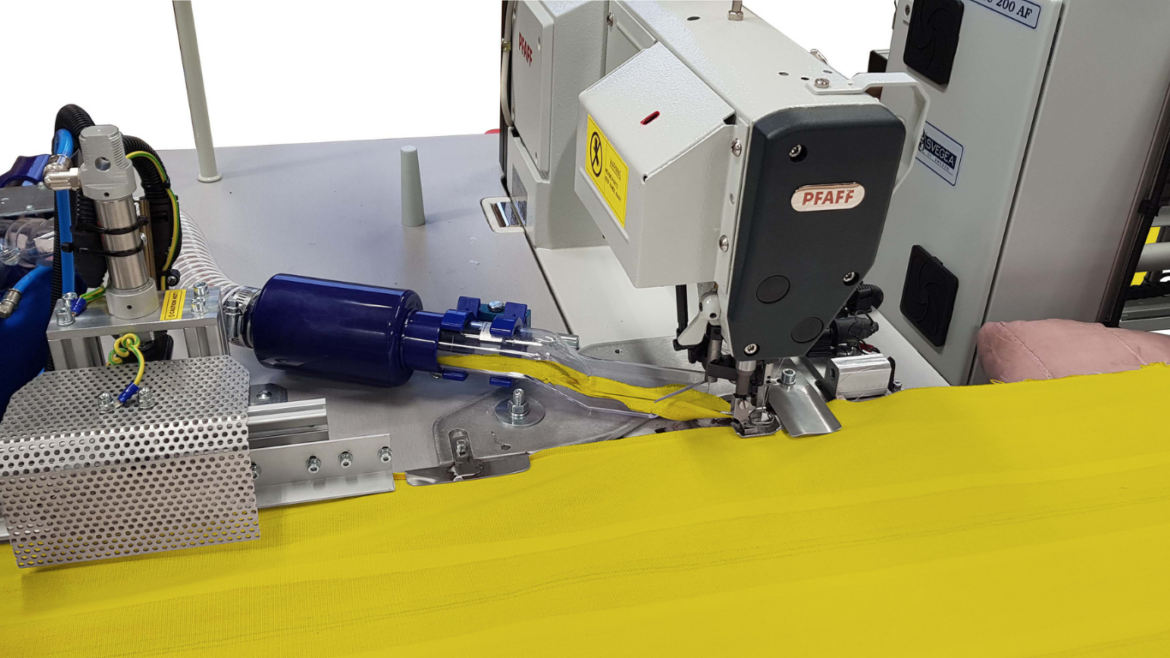
The textile industry is undergoing transformative changes driven by trends around sustainability, automation, customization, and circularity. Leading machinery manufacturers offer cutting-edge solutions to help textile producers capitalize on these powerful market shifts.
Sustainability Imperative
Environmental consciousness is fueling the demand for eco-friendly textiles, currently, a global textile trend that we cannot ignore. Innovative machinery enables sustainable manufacturing practices like energy efficiency and waste reduction, minimizing environmental impact while maintaining competitive operations.
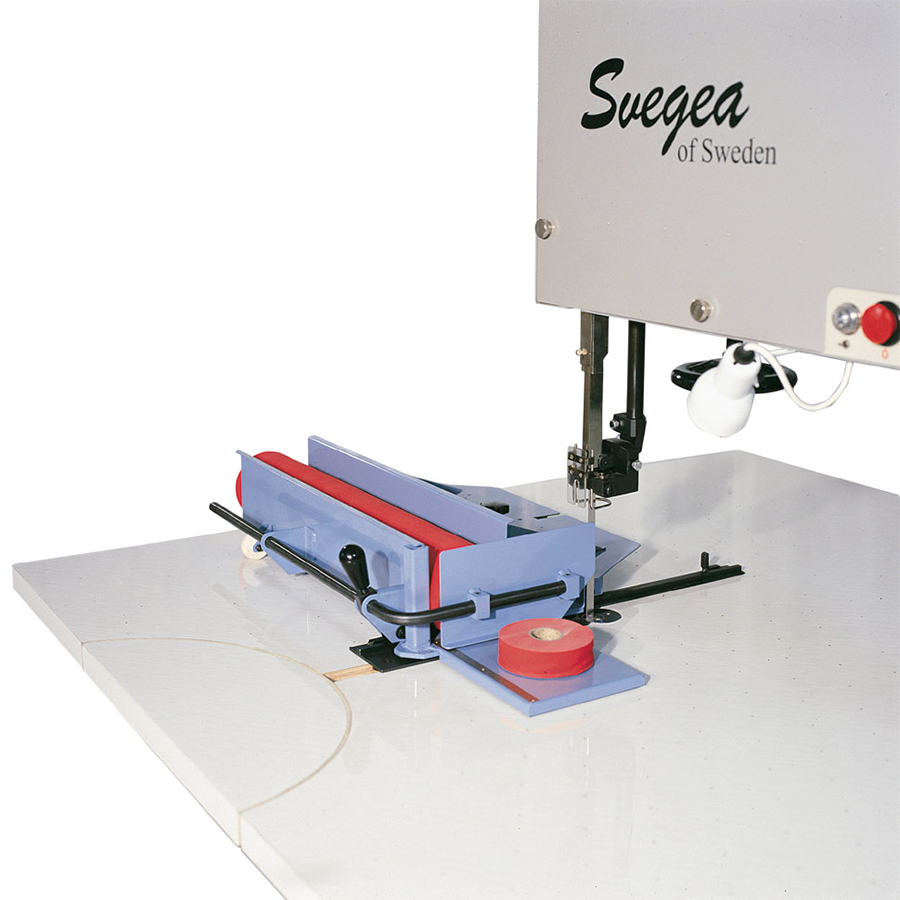
Automation & Industry 4.0
Principles like robotics, AI, and IoT are optimizing production through automation. Advanced textile machinery seamlessly integrates these technologies to streamline operations, boost productivity, and reduce costs – keeping manufacturers at the forefront of the digital revolution.
Customization & Diversification
Evolving consumer tastes favor personalized products and unique experiences. Flexible machinery allows for customized, diverse offerings tailored to changing market demands.
Circular Economy Transition
Resource efficiency is paramount, with textile circularity reducing waste. Circular knitting machines and recycling technologies enable closed-loop supply chains by repurposing waste into new materials.
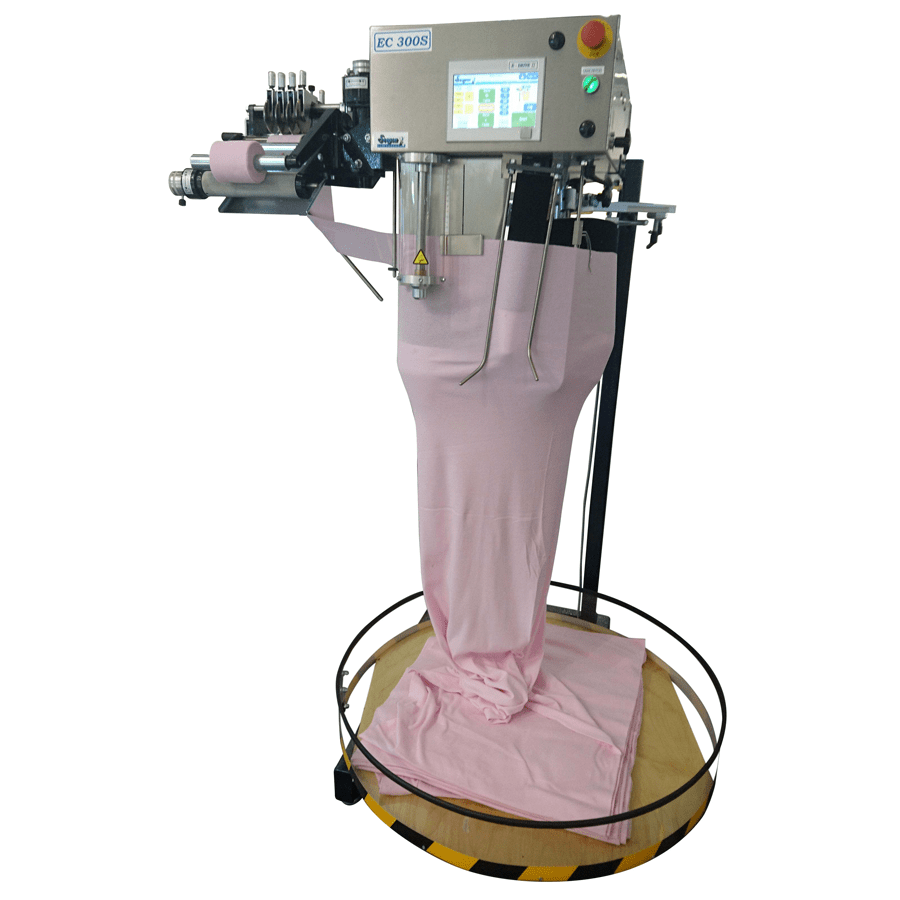
As these trends reshape the global landscape, machinery manufacturers position textile producers for success. By adopting innovative solutions for sustainability, automation, customization, and circularity, industry leaders can drive sustainable growth and gain a lasting competitive edge.
For inquiries, brochures, or further information about Svegea of Sweden’s cutting-edge textile machinery, visit our contact page.
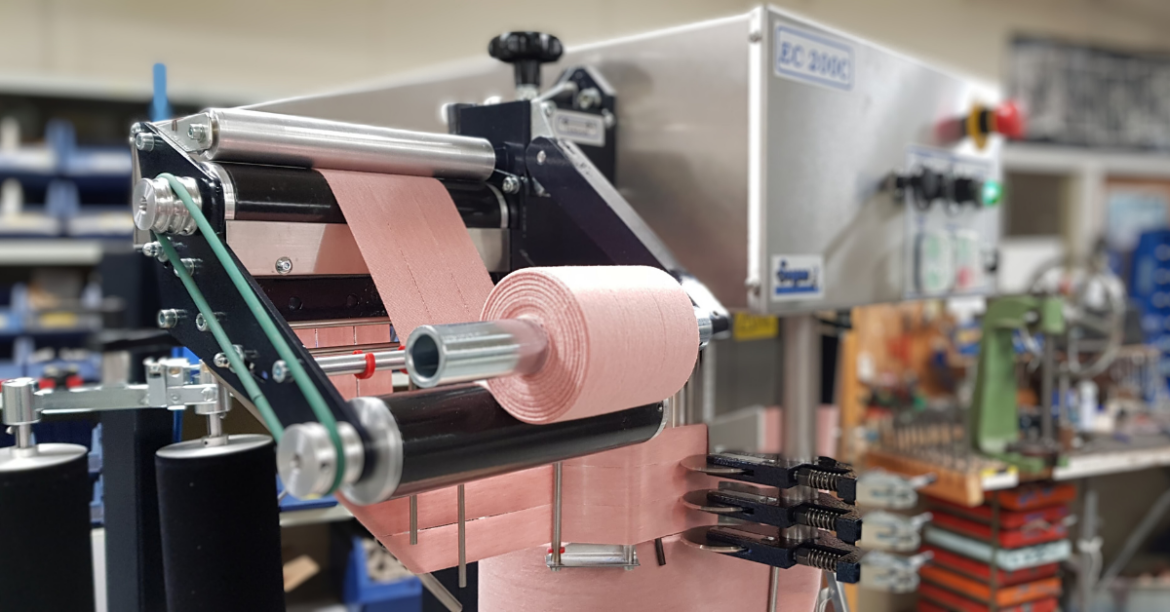
In the ever-evolving realm of sewn product manufacturing, optimizing profitability hinges on a delicate balance of precision, efficiency, and cost-effectiveness. This balance is particularly crucial in textile-cutting machines, where every cut impacts material utilization and production output. Svegea of Sweden stands out as a leader in this arena, offering cutting-edge machines tailored to meet the diverse needs of the industry.
Precision and Efficiency
Svegea’s textile cutting machines epitomize precision and efficiency, crucial elements that directly impact profitability. Engineers design these machines with advanced technology that ensures precise cuts, minimizing material wastage and maximizing resource utilization. Svegea machines excel in handling diverse cutting requirements with unparalleled accuracy, translating into significant cost savings and increased profitability for businesses.
 Customization for Unique Manufacturing Needs
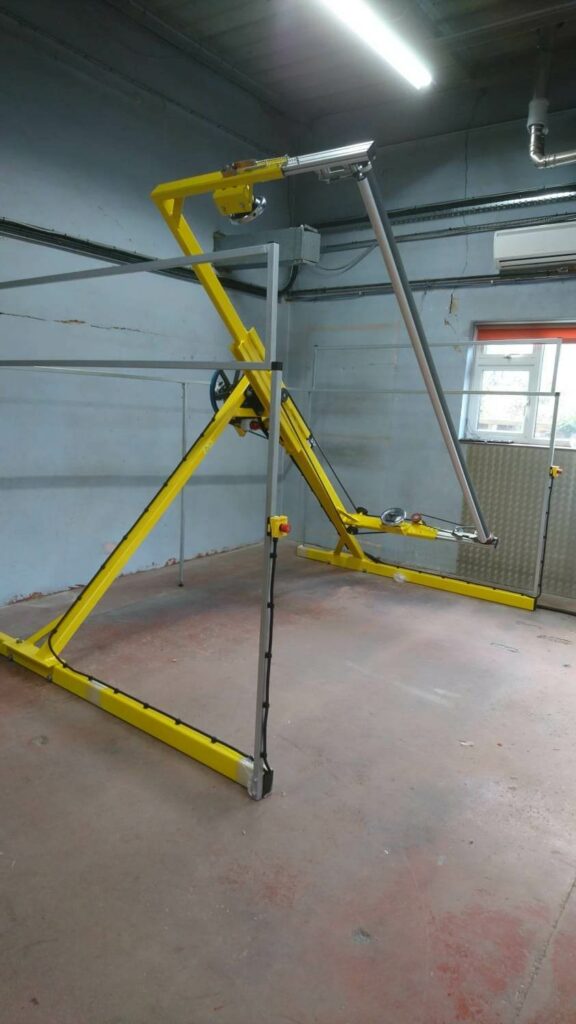
A defining feature of Svegea machines is their customizable nature, meticulously crafted to address the unique challenges faced by businesses in garment manufacturing. Through collaborative customization processes, Svegea works closely with clients to understand their specific requirements and tailor machines accordingly. This tailored approach results in machines that seamlessly integrate into the client’s production processes, optimizing efficiency, reducing downtime, and ultimately, enhancing ROI.
Enhanced Productivity and Reduced Labor Costs
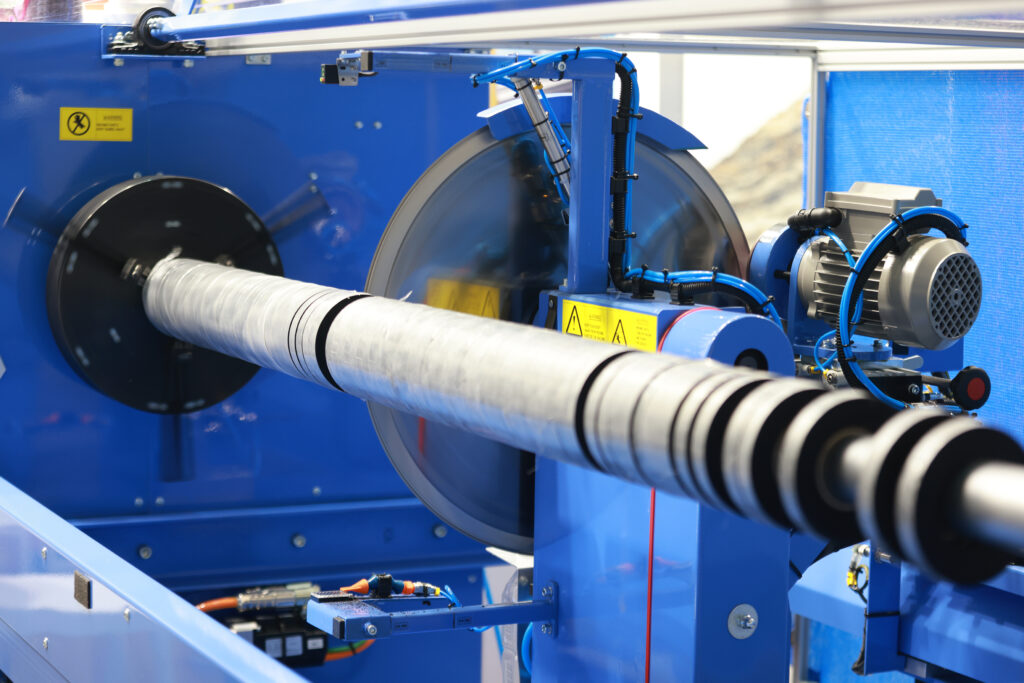
Svegea’s textile-cutting machines are designed to streamline production processes and enhance overall productivity. The integration of PLC-controlled operations, adjustable cutting speeds, and automatic blade sharpening mechanisms ensures smooth and uninterrupted workflow. This increased productivity not only accelerates production cycles but also reduces labor costs by minimizing the need for manual intervention, freeing up workforce resources for other value-added tasks.
Optimized Material Utilization
Efficient material utilization is paramount in sewn product manufacturing to minimize waste and maximize resource efficiency. Svegea engineers its machines to optimize material usage through precise cutting techniques and customizable settings. This results in minimal material wastage, leading to significant cost savings and improved profitability over time.
Scalability and Future-Readiness
Scalability and future readiness are critical considerations for businesses aiming for sustained success in the competitive landscape of garment manufacturing. Svegea designs its textile-cutting machines with scalability in mind, accommodating varying production volumes and evolving business needs. Ongoing R&D keeps Svegea ahead with future-ready solutions for evolving industry trends and challenges.
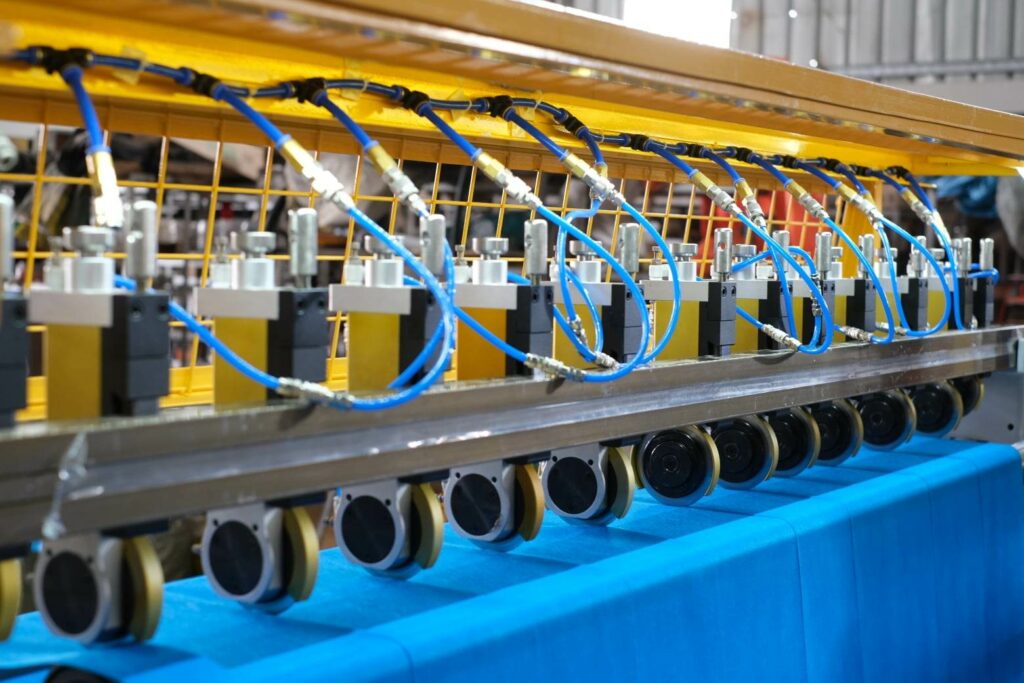
Integrating Svegea’s textile cutting machines into sewn product manufacturing processes presents a compelling opportunity for businesses to maximize ROI. Through precision, efficiency, customization, and scalability, Svegea machines offer a comprehensive solution that enhances productivity, reduces costs, and drives profitability. Investing in Svegea tech positions businesses for long-term success in sewn product manufacturing.
Tell us how we can enhance your production’s efficiency and ROI!
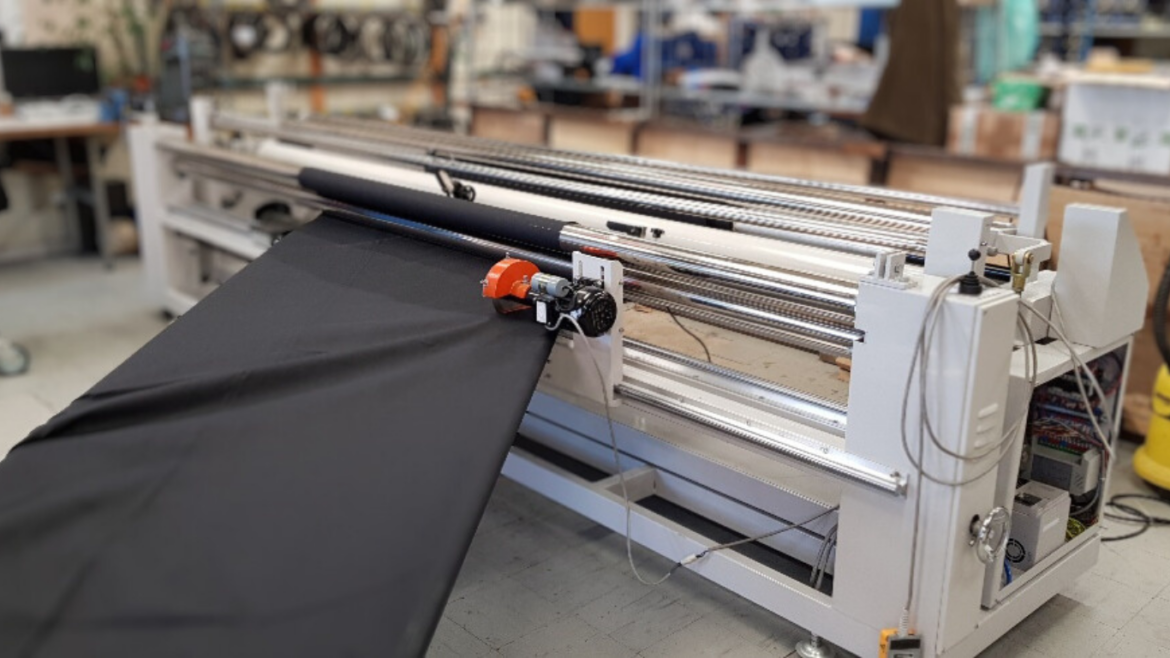
In the manufacturing sector, precision and efficiency are paramount. Svegea of Sweden has long been a pioneer in innovation, providing cutting-edge solutions tailored to diverse manufacturing needs. Their standout approach involves customizing machines to precisely match clients’ demands, showcasing the adaptability and versatility of their products.
Understanding Unique Manufacturing Needs
Every manufacturing process poses unique challenges. Material specifications, production volumes, and intricate cutting requirements vary widely. Svegea recognizes the critical importance of grasping these distinct needs to deliver optimal solutions. This understanding begins with an in-depth consultation process, where Svegea’s expert team collaborates closely with clients to gain comprehensive insights into their operations and objectives.
Collaborative Customization Process
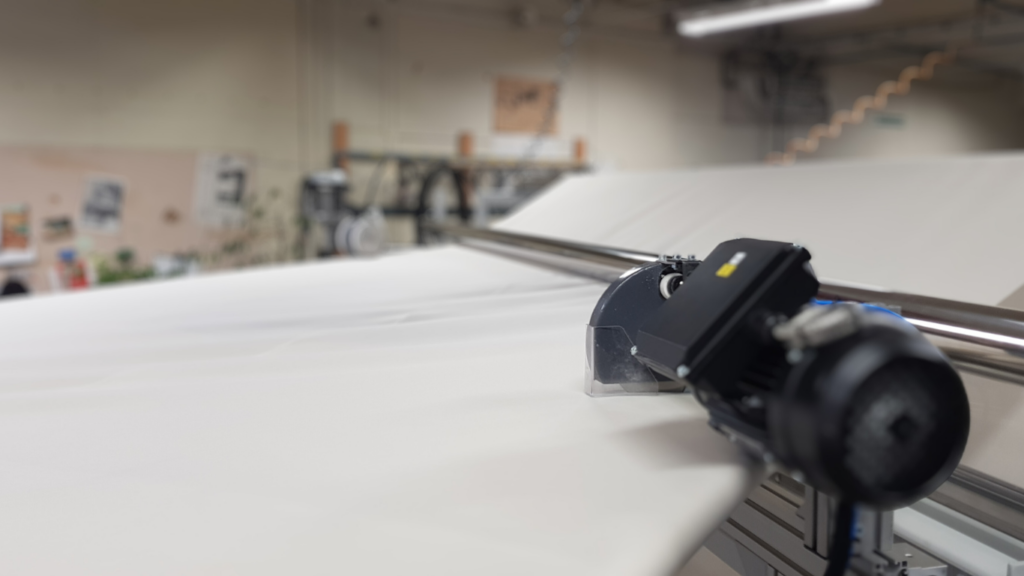
The journey toward customized solutions starts with an in-depth assessment of the client’s manufacturing environment. Svegea’s engineers meticulously analyze factors such as material properties, production workflows, and desired outcomes. This collaborative approach ensures that every aspect of the machine’s design and functionality is precisely aligned with the client’s goals.
Flexibility in Design and Functionality
Svegea’s range of cutting machines, including the Strip Cutter CMS series and the Strip Cutter FA 500, offers exceptional flexibility in both design and functionality. This inherent flexibility enables seamless customization to accommodate diverse material types, varying thicknesses, and complex cutting requirements. Svegea’s machines can be fine-tuned to excel in diverse manufacturing environments.
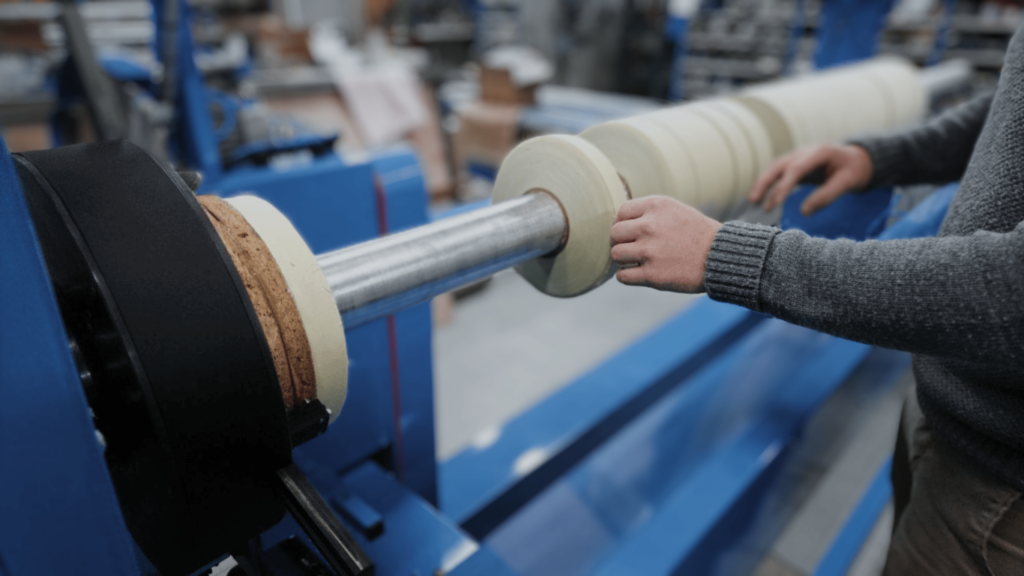
Fully Automatic Collarette Cutter Series: Customizable Excellence
A flagship product in Svegea’s lineup, the Fully Automatic Collarette Cutter series exemplifies the company’s dedication to customization. Meticulously designed to meet the specific needs of garment manufacturers, these state-of-the-art machines certainly boost production. They offer a wide array of customization options tailored to suit varying production specifications. From adjustable cutting speeds to meticulously configured blade setups, Svegea’s Fully Automatic Collarette Cutter series can be finely tuned to optimize garment production processes and elevate overall efficiency.
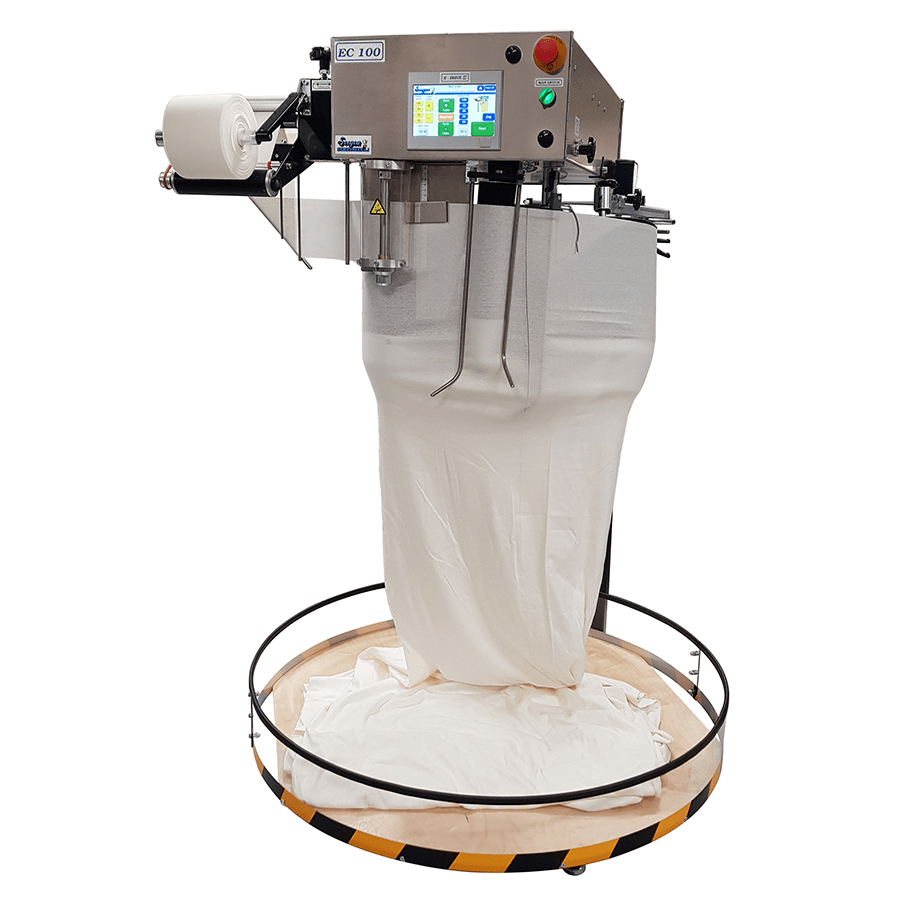
Advanced Technology for Tailored Solutions
Central to Svegea’s ability to deliver tailored solutions is its substantial investment in advanced technology. The seamless integration of PLC-controlled operations, adjustable cutting speeds, and automatic blade sharpening mechanisms ensures that customized machines not only meet but surpass client expectations. Heightened productivity, reduced material wastage, and enhanced overall efficiency result from this.
Real-World Applications
The success stories of Svegea’s customized solutions resonate across various industries. Clients in the textile sector have reaped substantial benefits from machines that flawlessly handle intricate patterns and multiple fabric layers, thereby optimizing production processes and curbing labor costs.
Future-Ready Solutions
As manufacturing landscapes evolve and technologies continue to advance, Svegea remains steadfast in its commitment to delivering future-ready solutions. This includes ongoing research and development efforts aimed at integrating AI-driven optimizations, predictive maintenance capabilities, and connectivity features. These innovations enable remote monitoring and control, ensuring that Svegea machines not only meet current needs but also adapt seamlessly to emerging challenges and opportunities.
In the ever-evolving realm of manufacturing, customization stands as a pivotal pillar for staying competitive and meeting dynamic demands. The company’s unwavering commitment to tailored solutions underscores its dedication to empowering clients with cutting-edge technology precisely tailored to their unique manufacturing needs. They continue to be a trusted partner for industries seeking optimized and efficient manufacturing solutions. Svegea does the process by seamlessly blending expertise, collaboration, and advanced engineering.
Drop us a line and share how we can assist you! Connect with us via email at info@svegea.se. We’re eager to hear from you!
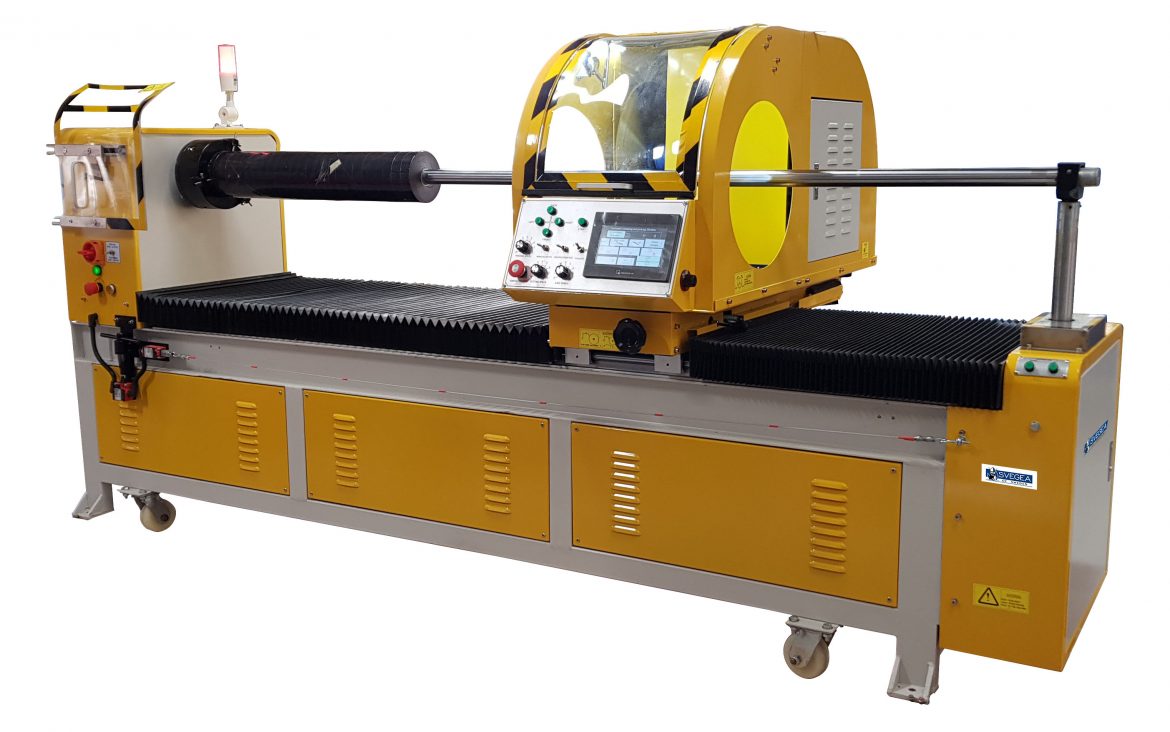
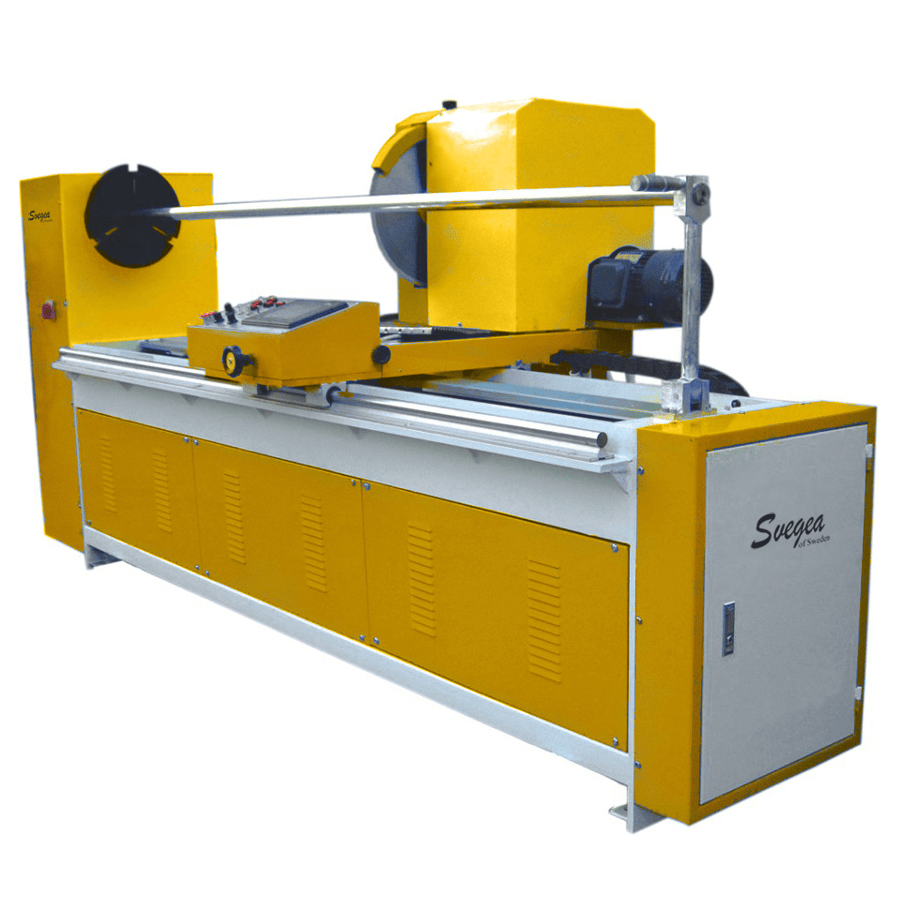
In the ever-evolving landscape of textile machinery, Svegea of Sweden stands out as a beacon of innovation and excellence. Among its stellar lineup, the Strip Cutter CMS series shines brightly, embodying the perfect blend of cutting-edge technology and cost-effectiveness.
Precision Redefined
At the heart of the Strip Cutter CMS series lies its hallmark feature: precision. The adjustable variable speed of the cutting blade and fabric roll ensures unparalleled control over the cutting process. Whether it’s a delicate fabric or a sturdy material, the CMS series delivers flawless cuts with utmost accuracy.
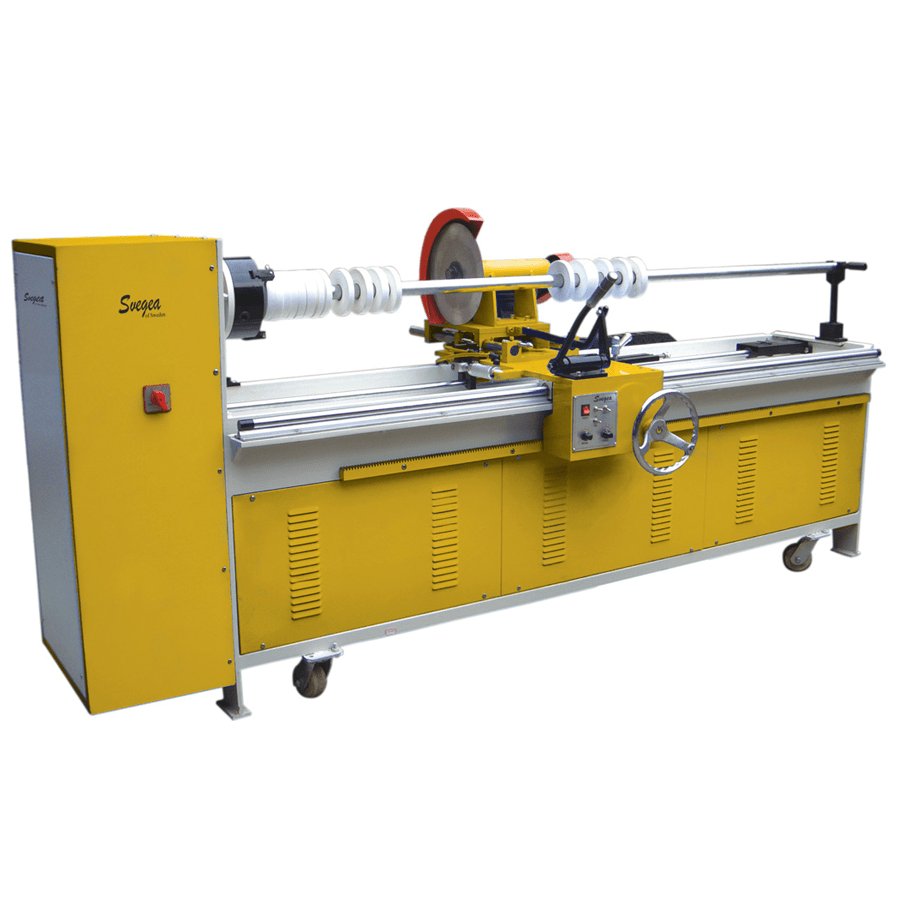
Efficiency Unleashed
Gone are the days of manual adjustments and guesswork. With preset cut widths offering up to five options and the ability to set the number of cuts per cycle, productivity soars to new heights. Imagine completing complex cutting tasks effortlessly, thanks to the CMS series’ advanced functionalities.
Smart Automation
One of the standout features of the CMS series is its PLC-controlled operations. Every function, from speed adjustments to blade sharpening, is seamlessly managed by state-of-the-art automation. This not only streamlines workflow but also minimizes errors, ensuring consistent quality in every cut.
Versatility at Its Core
The Strip Cutter CMS series isn’t just about precision and efficiency; it’s also about versatility. If you’re in the garment industry requiring precise cutting solutions, the CMS series adapts to your needs with ease. Its ability to handle various materials and cut widths makes it a versatile asset in any production environment.
Economical Excellence
What sets the CMS series apart is its economical pricing without compromising on quality. Svegea understands the importance of cost-effectiveness in today’s competitive market, making the CMS series a smart investment for textile production businesses.
Experience Innovation
For those seeking innovation, reliability, and affordability in a strip cutter, the CMS series from Svegea of Sweden is the ultimate choice. It’s not just a machine; it’s a gateway to enhanced productivity, precision, and profitability.
The Strip Cutter CMS series redefines the standards of cutting efficiency and precision. With its advanced features, smart automation, versatility, and economical pricing, it’s a game-changer in the textile machinery industry. Experience the power of innovation with the CMS series and elevate your cutting operations to new heights.
Visit www.svegea.se to learn more about the Strip Cutter CMS series and revolutionize your cutting processes today.
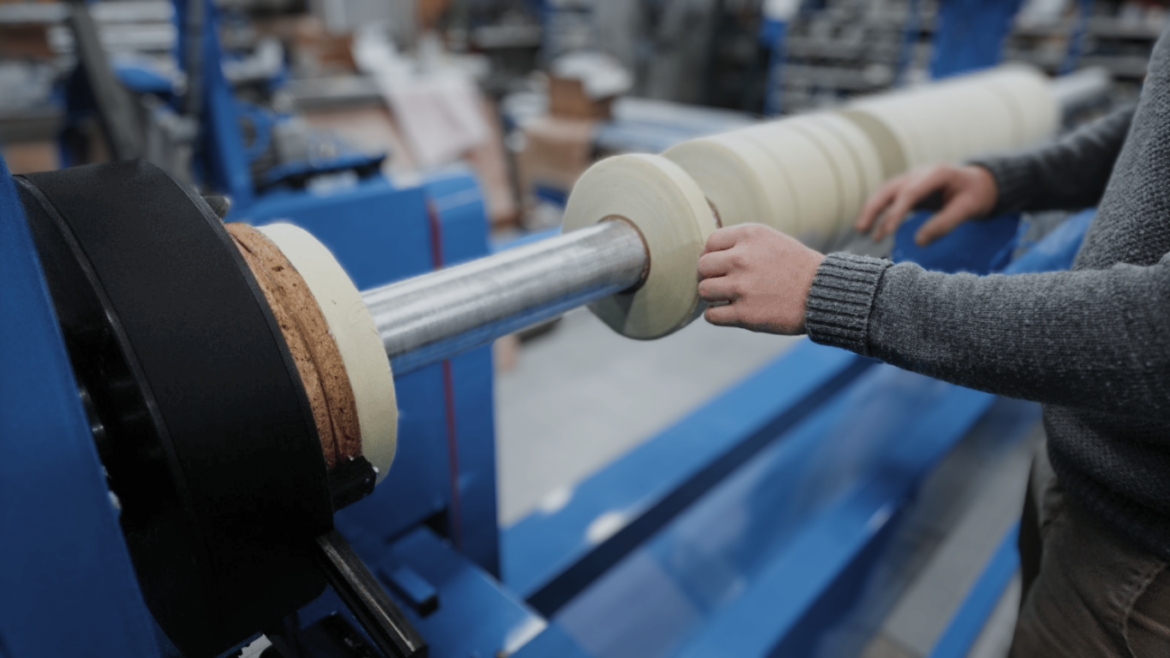
In the fast-paced world of textile manufacturing, the key to seamless operations and consistent quality lies in the proper maintenance of production machinery. Whether it’s cutting-edge equipment like Svegea’s innovative solutions or industry-standard machines, regular upkeep is essential to ensure optimal performance and longevity. Let’s dive into some expert tips on maintaining textile production machinery for peak efficiency.
Follow Manufacturer Guidelines
First and foremost, it’s crucial to follow the manufacturer’s guidelines for maintenance. This includes adhering to recommended maintenance schedules, using approved cleaning agents and lubricants, and following specific calibration and part replacement procedures. By following these guidelines diligently, you can prevent premature wear and tear and ensure the machinery operates at its best.
Regular Cleaning and Inspection
Keeping the machinery clean and well-maintained is key to preventing breakdowns and ensuring smooth operation. Regularly clean all components to remove dust, debris, and buildup that can affect performance. Conduct thorough inspections to identify any signs of wear, damage, or loose parts that may require attention. Addressing minor issues early can prevent them from escalating into major problems later on.
Lubrication and Calibration
Proper lubrication is essential for reducing friction, preventing overheating, and prolonging the life of moving parts. Follow the recommended lubrication schedule and use the correct type and amount of lubricant for each component. Additionally, ensure that the machinery is calibrated regularly to maintain accuracy and consistency in performance, especially for cutting and sewing machines.
Training and Monitoring
Invest in training for machine operators to ensure they understand how to use the machinery correctly, follow maintenance procedures, and identify early signs of issues. Encourage them to monitor the machinery’s performance regularly, including production output, efficiency metrics, and any abnormal sounds or vibrations. Promptly addressing any anomalies can prevent downtime and costly repairs.
Implement Preventive Maintenance
Establish a proactive approach to maintenance by implementing a preventive maintenance schedule. This should include routine inspections, cleaning, lubrication, and minor adjustments as needed. Keep detailed records of maintenance activities to track maintenance history, identify recurring issues, and plan for future maintenance needs effectively.
Professional Assistance from Svegea
Don’t hesitate to seek professional assistance from Svegea’s team of experts for complex maintenance tasks or troubleshooting. They have the knowledge, experience, and resources to handle maintenance and repairs efficiently, ensuring your textile production machinery operates optimally. Contact Svegea’s team today to discuss your maintenance needs and maximize the performance of your machinery.
Proactive maintenance is the cornerstone of efficient and reliable textile production machinery. By following these tips and working with trusted professionals like Svegea, you can prolong the lifespan of your equipment, minimize downtime, and achieve consistent quality in your manufacturing processes. Schedule regular maintenance, train your operators, and partner with experts for a seamless production experience.