Zero-waste fashion is more than a design trend—it is a revolution reshaping the garment and textile industry. As sustainability shifts from being optional to essential, manufacturers are rethinking how clothing is produced. Traditional cutting methods waste up to 20% of fabric, which often ends up in landfills. By contrast, zero-waste techniques promise efficiency, creativity, and responsibility.
What Is Zero Waste Pattern Cutting?
Zero-waste pattern cutting is a design approach where every piece of fabric is used. Instead of discarding scraps, designers plan layouts meticulously, fitting pieces together like a puzzle. This method requires innovation, geometric thinking, and sometimes unconventional garment shapes. The result is stylish clothing with minimal environmental impact.
Why Fashion Needs Zero Waste
The fashion industry is one of the world’s largest polluters. Consider these facts:
- Fabric waste: Traditional methods waste 15–20% of fabric.
- Water consumption: Producing textiles consumes billions of liters annually.
- Carbon footprint: Clothing production contributes significantly to global emissions.
By adopting zero-waste cutting, manufacturers reduce raw material demand, conserve water, and lower emissions. Less waste also means fewer textiles in landfills. This is why zero-waste fashion is not just a design choice—it is a necessity.
Economic Benefits for Manufacturers
Sustainability is ethical, but it is also profitable. Fabric is a major cost in garment production. By maximizing fabric use, companies save money. Moreover, eco‑conscious consumers are willing to pay more for sustainable fashion. Brands that embrace zero waste gain a competitive edge, appealing to a growing market segment.
For manufacturers, this means higher margins, stronger brand loyalty, and alignment with global sustainability goals.
Challenges and Innovations
Transitioning to zero waste is not simple. Designers must rethink traditional methods, often creating new patterns from scratch. This requires skill, creativity, and sometimes advanced technology.
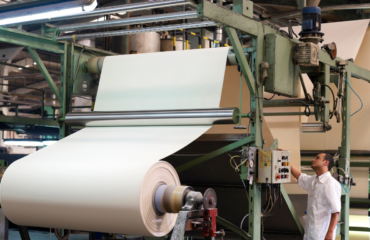
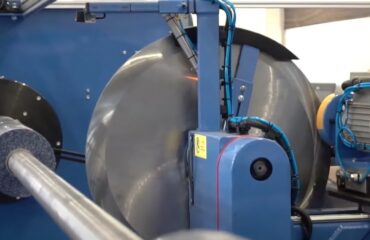
Fortunately, digital tools are emerging to assist in pattern design. Innovative textile machinery producing companies are leading the way with cutting‑edge machinery that enhances precision and reduces waste. Their automated cutting solutions help manufacturers achieve efficiency without sacrificing quality.
Success Stories in Zero Waste Fashion
Several pioneers are proving that sustainability and style can coexist:
- Timo Rissanen & Holly McQuillan: Academic leaders pushing boundaries in zero-waste design.
- Tonlé: A brand built entirely on zero-waste principles.
- Zero Waste Daniel: Designer Daniel Silverstein creates chic, modern pieces from fabric scraps.
These innovators demonstrate that fashion can be both eco‑friendly and commercially viable. Their work inspires manufacturers to consider how to scale zero-waste fashion globally.
The Role of Technology
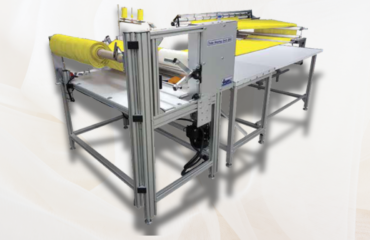
Technology is accelerating adoption. CAD software helps designers visualize efficient layouts. Automated cutting machines, like those from Svegea, ensure precision and minimize waste. As digital tools evolve, zero-waste cutting becomes more accessible to mainstream manufacturers.
This integration of design and machinery is critical. Without advanced tools, scaling zero-waste fashion would be difficult. With them, the industry can move faster toward sustainability.
Consumer Demand and Market Trends
Consumers are increasingly aware of sustainability. According to recent studies, demand for eco‑friendly fashion has surged, with “slow fashion” and “circular design” gaining traction. Zero-waste fashion aligns perfectly with these values, offering transparency and responsibility.
Brands that ignore this shift risk losing relevance. Manufacturers who adapt will not only meet consumer expectations but also position themselves as leaders in sustainable innovation.
The Future of Fashion
The future of fashion lies in innovation and sustainability. Zero waste pattern cutting is not just a technique—it is a philosophy. It challenges the industry to rethink efficiency, creativity, and responsibility. As more brands adopt this method, fashion will evolve into a sector that not only looks good but also does good for the planet.
A Revolution That Saves Fabric
Zero-waste fashion is a revolution that saves fabric, reduces costs, and protects the environment. It requires creativity, but the rewards—economic, ecological, and social—are immense. Manufacturers who embrace this approach will thrive in a competitive market while contributing to a sustainable future.
Ready to revolutionize your production?
Zero waste fashion isn’t just a trend—it’s the future. Svegea’s innovative textile machinery empowers manufacturers to cut smarter, save fabric, and boost profits while meeting sustainability goals.
Contact Håkan Steene at h.steene@svegea.se or reach out to us today to explore how we can achieve zero-waste pattern cutting together.