

In the dynamic world of textile manufacturing, automation is a cornerstone of innovation, driving unprecedented efficiency, precision, and sustainability. As an expert with over two decades of experience in textile automation, we have witnessed firsthand the transformative power of these technologies. Today, we’ll explore how automation is reshaping the fabric of our industry.
The Evolution of Textile Automation
The journey from hand-spun fibers to today’s high-tech production lines tells a story of relentless innovation. Early mechanization during the Industrial Revolution laid the groundwork, but modern automation has catapulted us into a new era of manufacturing excellence.
Key milestones include:
1. 1960s-1970s: Introduction of computer-controlled looms
2. 1980s-1990s: Development of robotic systems for material handling
3. 2000s-2010s: Integration of AI and machine learning in quality control
4. 2020s and beyond: Emergence of fully automated, smart textile factories
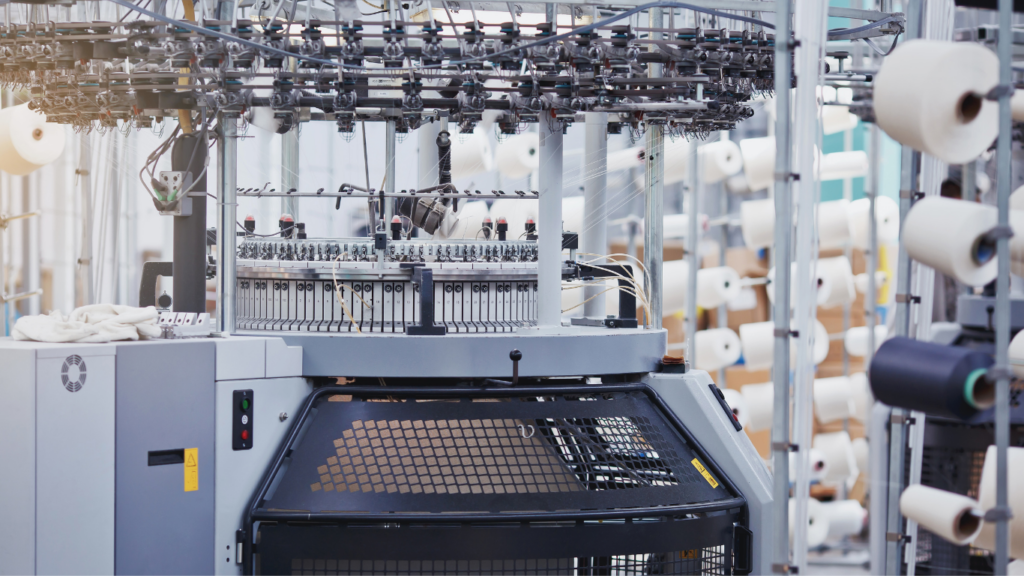
Core Areas Transformed by Automation
Spinning: Precision at Lightning Speeds
Modern spinning systems, such as rotor and air-jet technologies, have revolutionized yarn production. These systems can produce yarn up to 20 times faster than traditional ring spinning, with unparalleled consistency.
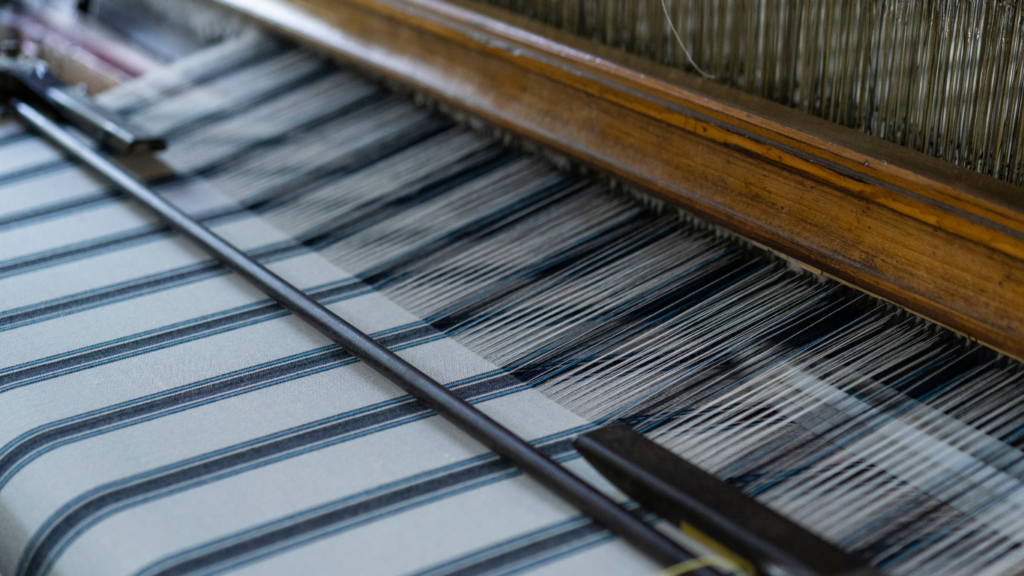
Weaving: Intelligent Looms for Flawless Fabrics
Today’s computerized looms are marvels of engineering. There are machines for example that use real-time adaptive tension control to adjust warp tension on the fly, ensuring fabric quality remains consistent even as conditions change during production. This level of precision was unthinkable just a decade ago.
Dyeing and Finishing: Sustainability Meets Efficiency
Automated dyeing and finishing processes have dramatically reduced water and energy consumption while improving color consistency. Digital textile printing, exemplified by machines can print complex designs directly onto fabric at up to 1,000 m²/hour, revolutionizing small-batch and customized production.
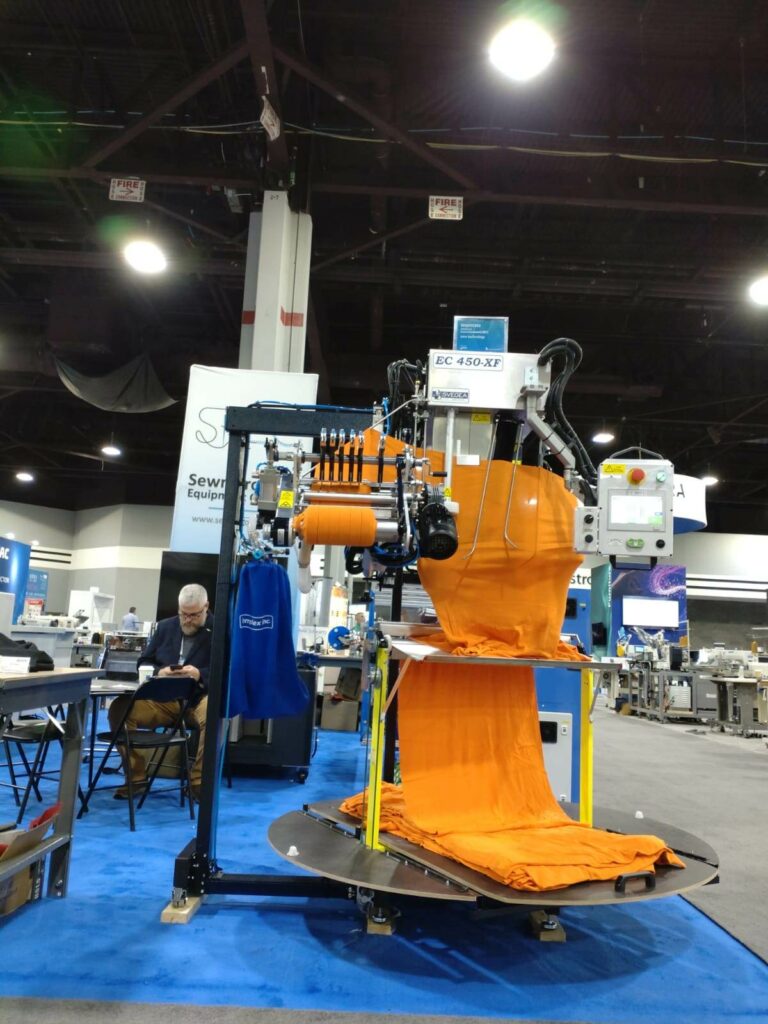
Spotlight on Innovation: Svegea’s EC 450 XF Collarette Cutting System
The EC 450 XF Collarette Cutting System by Svegea represents the cutting edge of textile automation. As the winner of the Texprocess Americas 2023 Innovation Award, this system exemplifies how targeted automation can solve specific industry challenges.
Key features include:
– Multi-material compatibility for unparalleled versatility
– Precision cutting with minimal waste
– Rapid changeover times, boosting overall productivity
The EC 450 XF doesn’t just cut fabric; it redefines efficiency in garment manufacturing. For manufacturers looking to stay competitive, systems like this are not just beneficial—they’re essential.
The Tangible Benefits of Automation
1. Quality Assurance: Automated systems consistently produce high-quality textiles, reducing defects by up to 90% compared to manual processes.
2. Increased Productivity: Modern automated lines can operate 24/7, increasing output by 200-300% over traditional methods.
3. Cost Reduction: While initial investment is significant, automated systems can reduce labor costs by 40-60% and material waste by 20-30% over their lifetime.
4. Customization at Scale: Automation enables quick changeovers, making small-batch and customized production economically viable.
5. Enhanced Safety: Automation minimizes human exposure to hazardous processes, reducing workplace accidents by up to 80% in some facilities.
Overcoming Implementation Challenges
While the benefits of automation are clear, implementation comes with challenges:
1. Initial Investment: The upfront cost of automation can be substantial. However, ROI typically occurs within 2-5 years, depending on the scale of implementation.
2. Workforce Transition: Shifting to automated systems requires retraining staff. Forward-thinking companies are investing in upskilling programs to transition workers into higher-value roles.
3. System Integration: Ensuring new automated systems work seamlessly with existing processes is crucial. Careful planning and phased implementation can mitigate disruptions.
The Future of Textile Automation
Looking ahead, several trends will shape the future of textile automation:
1. AI and Machine Learning: These technologies will enable predictive maintenance and real-time quality control, further improving efficiency and reducing downtime.
2. Internet of Things (IoT): Connected devices will create smart factories where every aspect of production is monitored and optimized in real-time.
3. Sustainable Automation: Future systems will focus even more on reducing environmental impact, with closed-loop water systems and energy-efficient processes.
4. Collaborative Robotics: Cobots will work alongside humans, handling repetitive tasks while allowing human workers to focus on high-value activities.
Embracing the Automated Future
Automation in textile manufacturing isn’t just about replacing human labor—it’s about augmenting human capabilities, driving innovation, and creating a more sustainable, efficient industry. As we look to the future, it’s clear that automation will play an increasingly central role in shaping the textiles of tomorrow.
For manufacturers, the message is clear: embrace automation or risk being left behind. The future of textiles is automated, and that future is now.
To explore cutting-edge automation solutions like Svegea’s EC 450 XF Collarette Cutting System, contact us now! For those ready to take the next step in their automation journey, now is the time to act.

The textile manufacturing industry is undergoing a significant transformation. As we move into 2025, several trends are shaping the future of this dynamic sector. From sustainable practices to advanced technologies, the landscape is evolving rapidly. Let’s explore the top trends in textile manufacturing for 2024 and 2025.
1. Sustainable Practices
Sustainability is no longer a buzzword; it’s a necessity. Textile manufacturers are increasingly adopting eco-friendly practices to reduce their environmental footprint. This includes using organic materials, recycling waste, and implementing energy-efficient processes. According to the World Economic Forum, sustainable practices in textile manufacturing can significantly reduce carbon emissions and water usage.

2. Advanced Technologies
The integration of advanced technologies is revolutionizing textile manufacturing. Automation, artificial intelligence (AI), and the Internet of Things (IoT) are enhancing efficiency and productivity. For instance, AI-driven machines can predict maintenance needs, reducing downtime and increasing output. The International Textile Manufacturers Federation highlights that these technologies are crucial for staying competitive in the global market.
3. Customization and Personalization
Consumers today demand unique and personalized products. Textile manufacturers are leveraging digital printing and other technologies to offer customized solutions. This trend is particularly evident in the fashion industry, where personalized clothing is gaining popularity. A report by McKinsey & Company suggests that customization will be a key driver of growth in the textile sector.
4. Smart Textiles
Smart textiles, also known as e-textiles, are gaining traction. These textiles have embedded sensors and electronics that can monitor health, track fitness, and even change color. The potential applications are vast, ranging from healthcare to sportswear. According to TechCrunch, the smart textiles market is expected to grow exponentially in the coming years.
5. Ethical Labor Practices
Consumers are becoming more conscious of the ethical implications of their purchases. As a result, textile manufacturers are focusing on fair labor practices and ensuring safe working conditions. This shift is not only ethical but also beneficial for brand reputation. The Fair Labor Association provides guidelines and resources for companies aiming to improve their labor practices.
Spotlight on Svegea of Sweden
Svegea of Sweden is a notable player in the textile manufacturing industry. Known for their innovative solutions, Svegea offers advanced slitting and cutting machines that enhance efficiency and precision. Their commitment to quality and sustainability sets them apart in the market. While not overtly promotional, it’s worth noting how companies like Svegea are contributing to the industry’s evolution.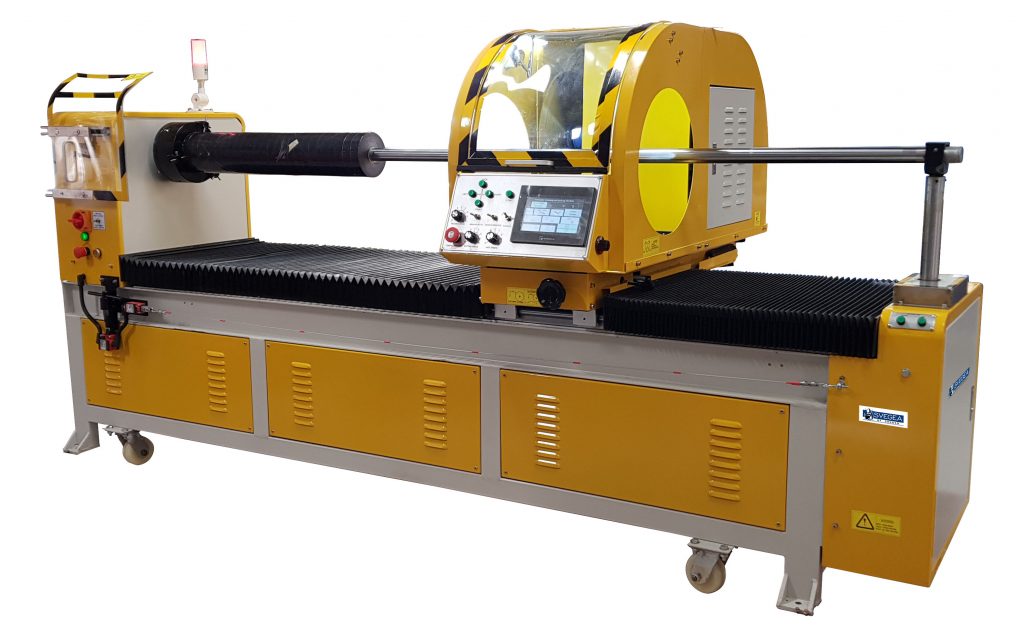
Exciting Changes
The textile manufacturing industry is poised for exciting changes in 2025. From sustainable practices to advanced technologies, the trends shaping this sector are both innovative and impactful. By staying informed and adapting to these trends, manufacturers can thrive in a competitive landscape.
For innovative and sustainable textile machinery, contact Svegea of Sweden. Our advanced solutions can help you stay ahead in the evolving textile industry.
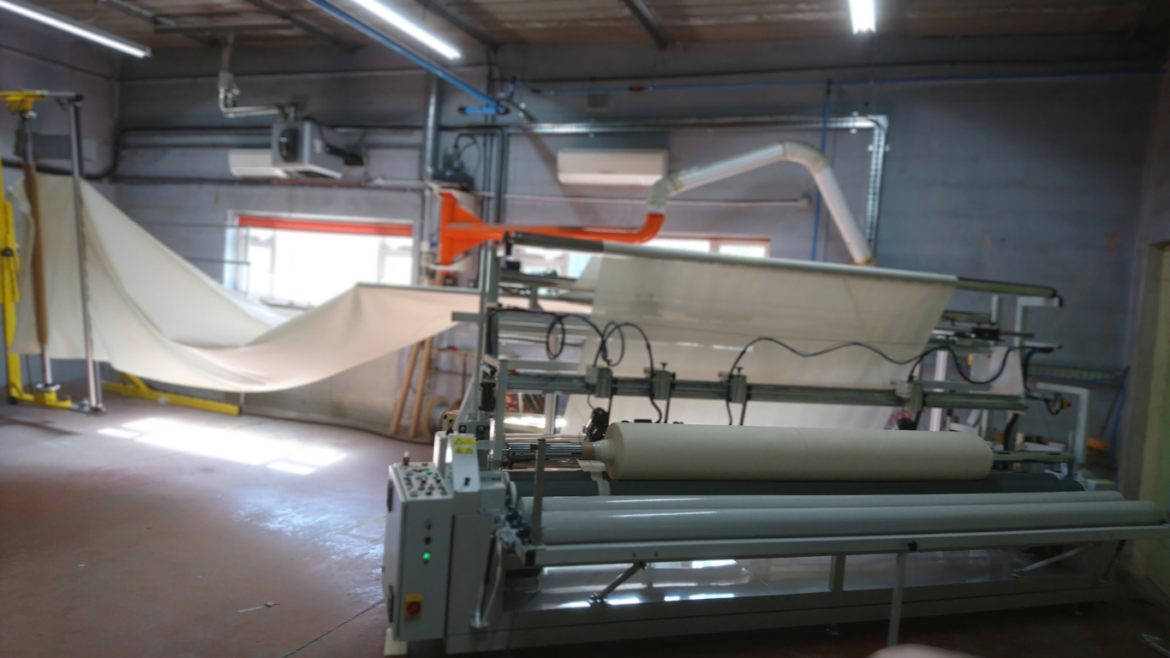
The textile industry has always been a hub of innovation. Each technological leap has transformed production processes from the spinning jenny to modern automated systems. Today, textile-cutting machines stand at the forefront of this revolution, offering unparalleled precision, speed, and efficiency. This article delves into how automated cutting machines reshape the textile industry and highlights a cutting-edge product from Svegea.
The Evolution of Textile Cutting Machines
From Manual to Automated
Historically, textile cutting was a labor-intensive task. Workers relied on manual tools like scissors and rotary cutters, which were time-consuming and prone to errors. The advent of semi-automated machines marked a significant improvement, yet they still required considerable human intervention. Today, fully automated textile-cutting machines have revolutionized the industry, enabling manufacturers to produce high-quality products swiftly and cost-effectively.
Key Features of Modern Textile Cutting Machines
Modern textile cutting machines boast advanced features that significantly enhance their performance:
– Computer-Aided Design (CAD) Integration: This allows for precise pattern creation and modification.
– Laser Cutting Technology: Ensures clean, accurate cuts with minimal fabric wastage.
– Automated Material Handling: Reduces the need for manual labor and speeds up the production process.
– Multi-Layer Cutting Capability: Enables the cutting of multiple fabric layers simultaneously, boosting productivity.
Benefits of Automated Textile Cutting Machines
- Enhanced Precision and Accuracy
One of the most significant advantages of automated textile-cutting machines is their precision. These machines use advanced software and laser technology to cut fabric with incredible accuracy, ensuring that each piece meets exact specifications. This level of precision is particularly important in industries like fashion and automotive, where even minor deviations can lead to significant issues.
- Increased Production Speed
Automated cutting machines can operate at much higher speeds than manual or semi-automated methods. This increased speed translates to higher production rates, allowing manufacturers to meet tight deadlines and respond quickly to market demands. For example, a textile cutting machine can cut hundreds of fabric pieces in the time it would take a human worker to cut just a few.
- Cost Savings
While the initial investment in automated cutting machines can be substantial, the long-term cost savings are significant. These machines reduce labor costs by minimizing the need for manual intervention. Additionally, their precision reduces fabric wastage, leading to lower material costs. Over time, these savings can offset the initial investment and lead to increased profitability.
- Versatility and Flexibility
Modern textile cutting machines are incredibly versatile. They can handle a wide range of fabrics, from delicate silks to heavy-duty industrial textiles. This versatility allows manufacturers to diversify their product offerings and cater to different market segments. Moreover, the ability to quickly switch between different cutting patterns and materials enhances production flexibility.
Real-World Applications
Fashion Industry
In the fashion industry, precision and speed are paramount. Automated textile cutting machines enable designers to bring their visions to life with unparalleled accuracy. These machines can cut intricate patterns and delicate fabrics with ease, ensuring that each garment meets the highest quality standards. Additionally, the ability to quickly produce samples and prototypes allows designers to experiment with new ideas and stay ahead of trends.
Automotive Industry 
The automotive industry relies heavily on textile materials for interior components like seats, carpets, and headliners. Automated cutting machines ensure that these components are cut to exact specifications, enhancing the overall quality and durability of the final product. The ability to cut multiple layers of fabric simultaneously also speeds up production, allowing manufacturers to meet the high demands of the automotive market.
Home Furnishings
From curtains to upholstery, the home furnishings industry requires precise and efficient fabric cutting. Automated cutting machines enable manufacturers to produce high-quality home textiles quickly and cost-effectively. The versatility of these machines also allows for the production of custom designs, catering to the growing demand for personalized home decor.
The Future of Textile Manufacturing
Integration with Industry 4.0
The future of textile manufacturing lies in the integration of automated cutting machines with Industry 4.0 technologies. This includes the use of IoT (Internet of Things) devices, AI (Artificial Intelligence), and big data analytics to optimize production processes. For example, IoT-enabled cutting machines can communicate with other devices in the production line, ensuring seamless coordination and reducing downtime.
Sustainable Manufacturing
Sustainability is becoming increasingly important in the textile industry. Automated cutting machines contribute to sustainable manufacturing by reducing fabric wastage and energy consumption. Additionally, the precision of these machines minimizes the need for rework, further reducing resource usage. As the industry continues to prioritize sustainability, the adoption of automated cutting machines is likely to increase.
Continuous Innovation
The field of automated textile cutting is constantly evolving. Manufacturers are continually developing new technologies and features to enhance the performance of cutting machines. For example, advancements in laser technology and AI are expected to further improve the precision and efficiency of these machines. As these innovations continue to emerge, the capabilities of automated cutting machines will expand, opening up new possibilities for textile manufacturers.
Featured Product: Svegea’s EC 450 XF Collarette Cutting System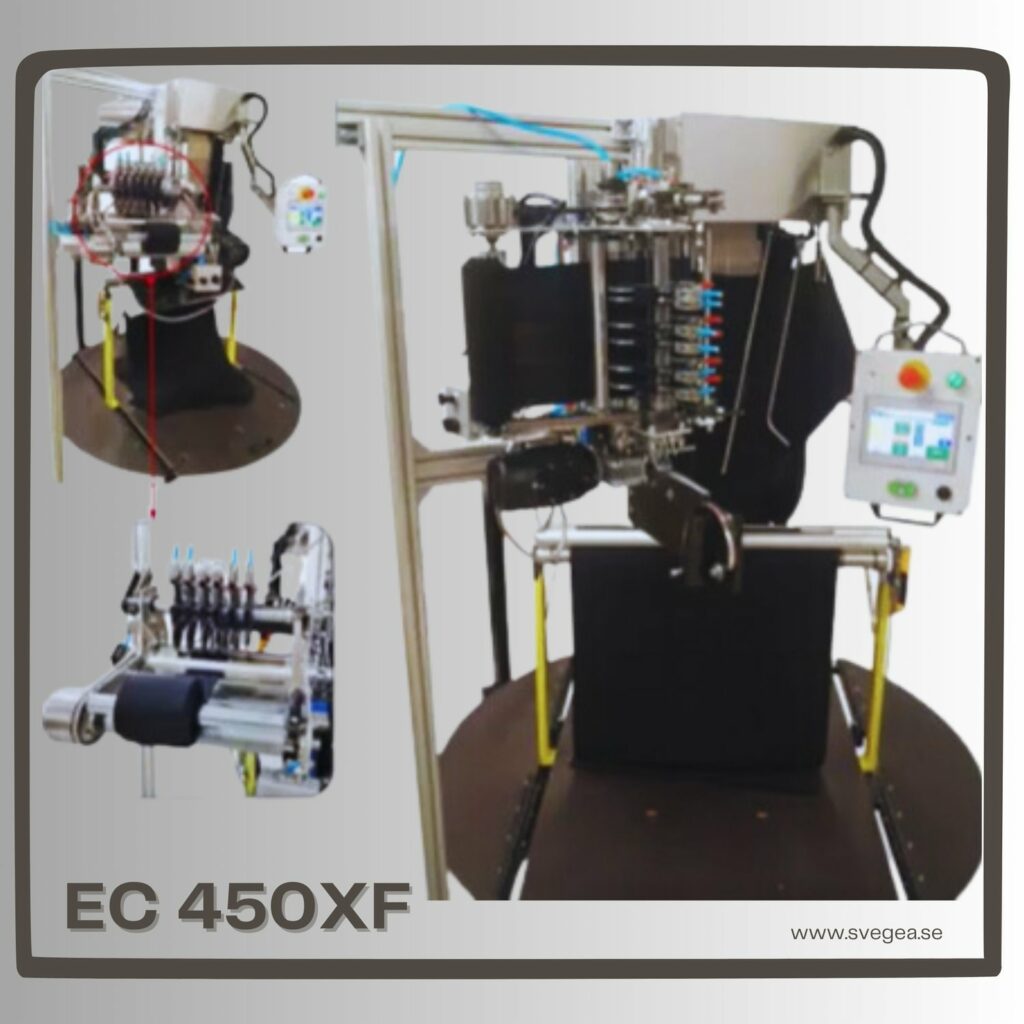
Svegea of Sweden is a leader in textile cutting technology, known for its innovative solutions that enhance productivity and reduce waste. One of their standout products is the EC 450 XF Collarette Cutting System. This system is designed for high-speed, precision cutting of collarettes, making it ideal for manufacturers looking to improve efficiency and product quality. The EC 450 XF features advanced automation and user-friendly controls, ensuring seamless integration into any production line.
For more information on cutting-edge textile-cutting machines, visit Svegea of Sweden

In today’s fast-paced world, consumers are increasingly seeking unique and personalized fashion experiences. This shift is reshaping the fashion industry, pushing brands to innovate and offer more customized products and services. One key player in this transformation is Svegea, whose Fabric Inspection tools are making a significant impact.
The Demand for Personalization
Personalized fashion experiences are no longer a luxury but a necessity for many consumers. According to recent studies, a significant majority of shoppers prefer brands that offer personalized options. This trend is driven by the desire for individuality and the need to stand out in a crowded market. Personalized fashion experiences allow consumers to express their unique style and preferences, creating a deeper connection with the brand.
How Technology is Enabling Customization
Advancements in technology have made it easier for fashion brands to offer personalized experiences. From AI-powered virtual fitting rooms to customized recommendations based on browsing history, technology is at the forefront of this revolution. Svegea’s Fabric Inspection tools play a crucial role in this process by ensuring the quality and precision of customized garments.

The Benefits of Fabric Inspection
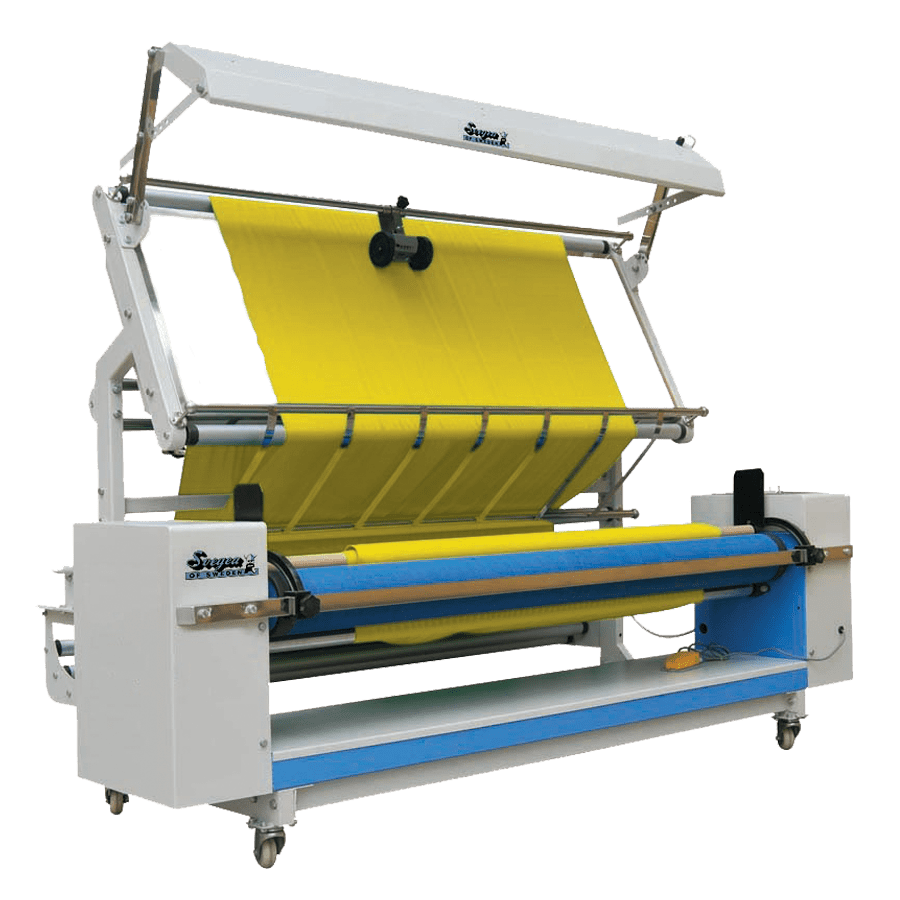
Fabric inspection is a critical step in the production of personalized garments. It ensures that each piece meets the quality standards expected by consumers. Svegea’s Fabric Inspection tools are designed to detect even the smallest imperfections, allowing brands to address issues before they reach the customer. This not only enhances the overall quality of the product but also builds trust and loyalty among consumers.
 Customization Beyond Fabric Inspection
While fabric inspection is vital, Svegea’s capabilities extend beyond this. The company can customize its machines to fit the specific production needs of its clients. This flexibility allows fashion brands to optimize their production processes and offer truly unique products. Whether it’s adjusting the machine settings for different fabric types or integrating new technologies, Svegea’s customized solutions ensure that brands can meet the growing demand for personalized fashion experiences.
The Future of Personalized Fashion
The trend towards personalized fashion experiences shows no signs of slowing down. As consumers continue to seek unique and customized products, brands must adapt to stay competitive. Svegea’s innovative solutions, including its Fabric Inspection tools, will play a crucial role in this evolution. By ensuring quality and enabling customization, Svegea is helping to shape the future of the fashion industry.
Transforming the Industry
Personalized fashion experiences are transforming the industry, driven by consumer demand for uniqueness and individuality. Technology, including Svegea’s Fabric Inspection tools, is enabling this shift by ensuring quality and precision in customized garments. As the trend towards personalization continues to grow, Svegea’s innovative solutions will remain at the forefront, helping brands meet the evolving needs of their customers.
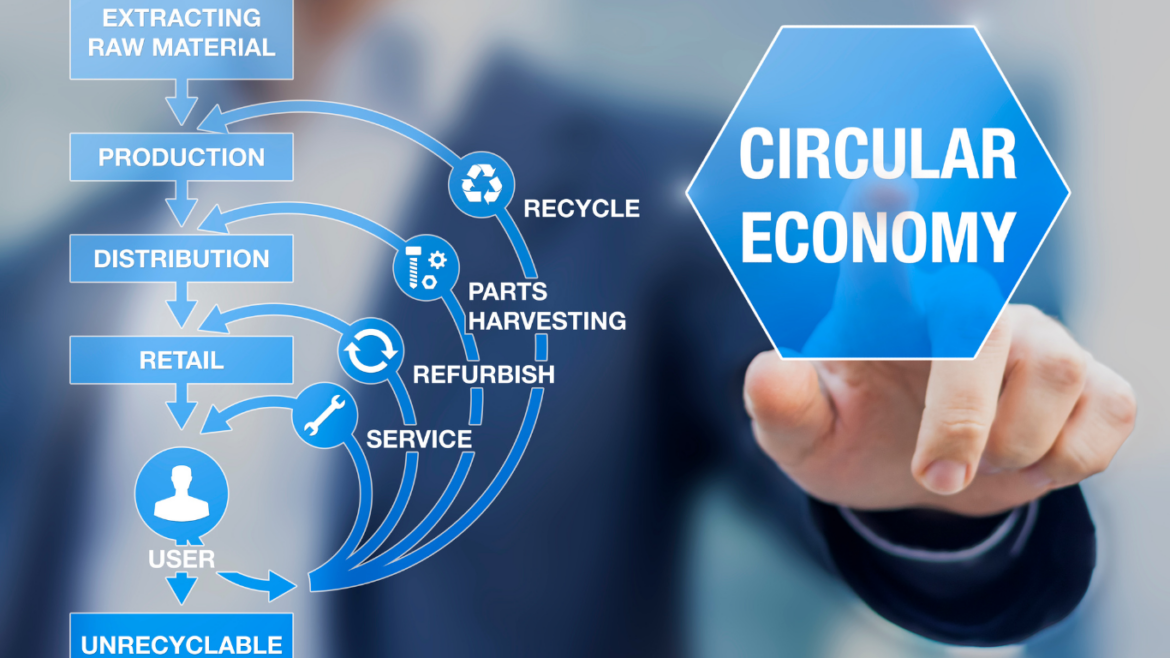
In an era where sustainability is paramount, the circular economy offers a transformative approach to how we produce and consume goods. Central to this concept are closed-loop systems and circular design, both of which aim to minimize waste and make the most of our resources.
Understanding Closed-Loop Systems
Closed-loop systems are designed to create a continuous cycle of use and reuse, effectively reducing waste. In these systems, the output of one process becomes the input for another, ensuring that materials are constantly recycled and repurposed. This approach not only conserves resources but also significantly reduces environmental impact.
The Importance of Circular Design
The circular design is a key element of the circular economy. It involves designing products with their entire lifecycle in mind, from creation to disposal. Circular design focuses on durability, reparability, and recyclability, making products easy to disassemble and reuse. This process reduces the need for new raw materials and minimizes waste.

Strategies for Minimizing Waste
Minimizing waste is a fundamental goal of the circular economy. This process is achievable through various strategies, including:
- Design for Longevity: Creating products that last longer and are easily repairable.
- Material Innovation: Using materials that are easier to recycle and have a lower environmental impact.
- Efficient Manufacturing: Implementing processes that reduce waste and improve resource efficiency.
Real-World Applications
Many companies are now adopting circular principles to enhance sustainability. For instance, in the textile industry, some manufacturers are focusing on producing high-quality trim that aligns with circular design principles. By ensuring that their products are durable and recyclable, these companies contribute to a more sustainable future.
The Benefits of a Circular Economy
The shift towards a circular economy offers numerous benefits:
- Environmental Sustainability: By reducing waste and conserving resources, the circular economy helps protect the environment.
- Economic Efficiency: Reusing materials and improving efficiency can lead to cost savings for businesses.
- Innovation and Growth: The circular economy encourages innovation, leading to new business opportunities and economic growth.
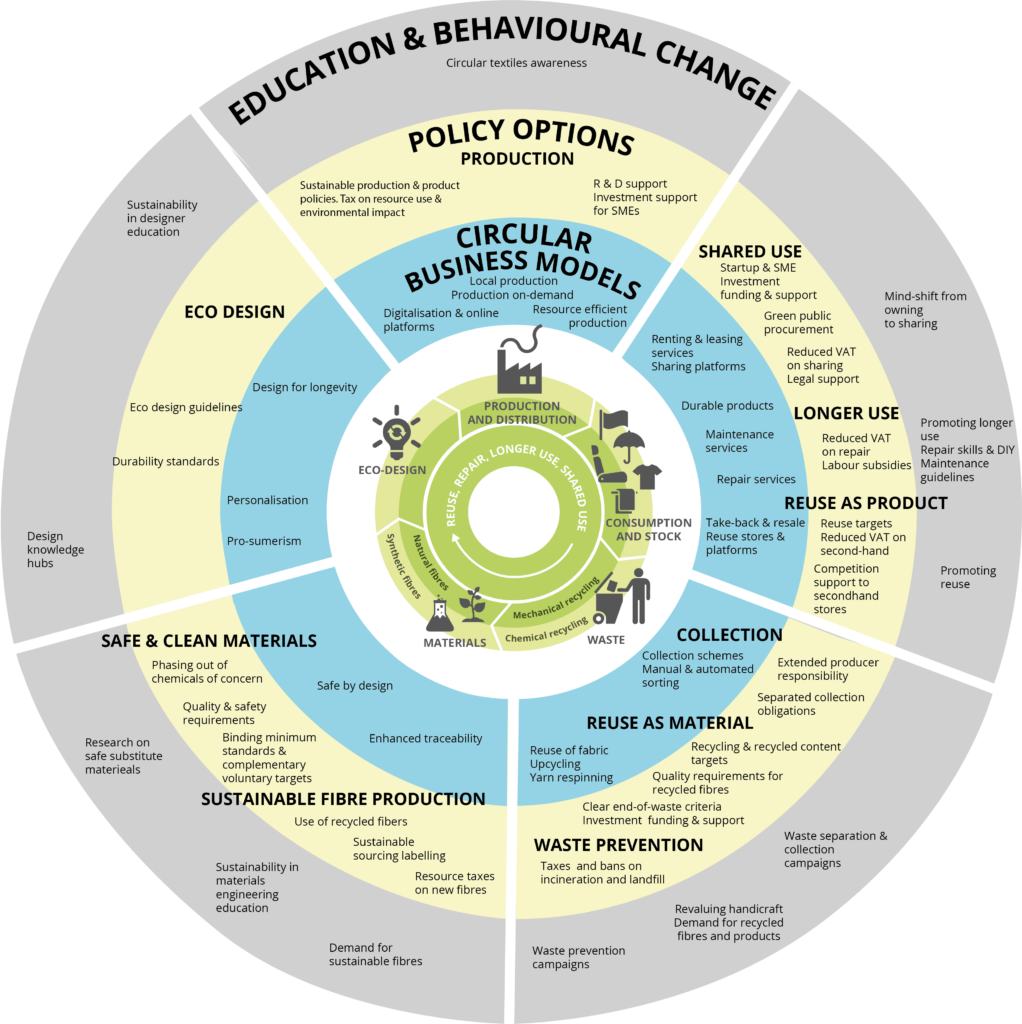
image source: https://www.eea.europa.eu/publications/textiles-in-europes-circular-economy
Representing a Significant Shift
The circular economy represents a significant shift in how we think about production and consumption. By embracing closed-loop systems and circular design, we can minimize waste and make better use of our resources. This approach not only benefits the environment but also offers economic advantages.
Sustainable Textile Manufacturing
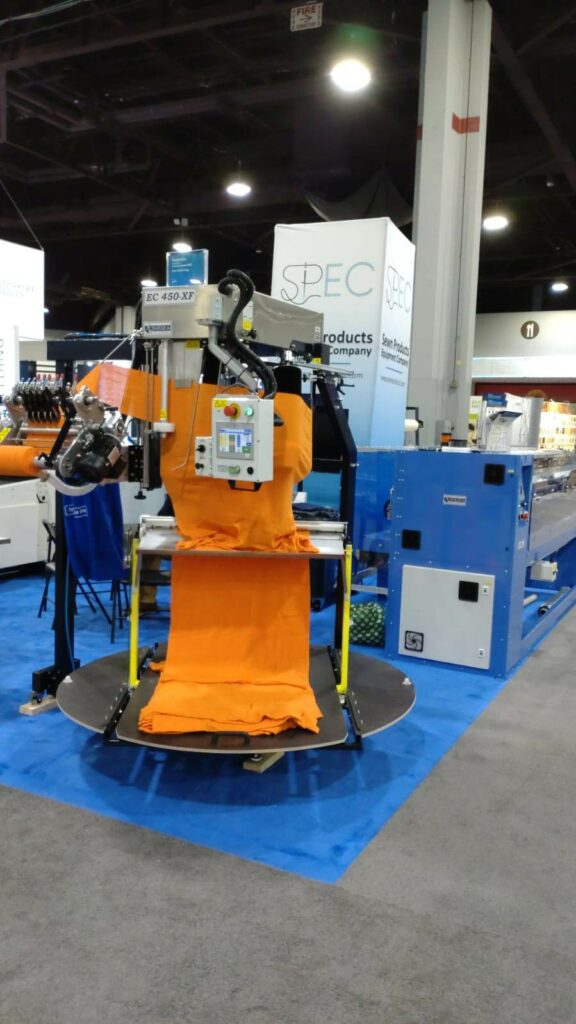 Svegea of Sweden is leading the way in sustainable textile manufacturing with their EC 450 XF Collarette Cutting System. This innovative machine exemplifies circular economy principles by ensuring precision cutting, which minimizes material waste. Its versatility allows it to handle various fabrics and applications, making it an essential tool for manufacturers committed to sustainability. The EC 450 XF boosts energy efficiency, cuts power consumption, and aligns with global sustainability goals. By integrating such advanced technology, Svegea is making significant strides toward a more sustainable future in the textile industry.
To learn more about how quality trim can align with circular principles, visit Svegea’s contact page and discover their commitment to sustainability.

The textile industry is in the midst of a transformative era, driven by technological advancements and the urgent need for sustainability. Imagine a production line where machines think ahead, predict demand, and cut fabrics with surgical precision—ushering in a new age of efficiency and innovation. This isn’t a distant future; it’s the present reality of smart production planning, powered by artificial intelligence (AI) and exemplified by Svegea’s state-of-the-art machinery. In this article, we explore how AI and Svegea are revolutionizing textile production planning, making it smarter, leaner, and greener.
The Role of AI in Textile Production Planning
Predictive Demand Forecasting
AI algorithms analyze historical data, market trends, and customer behavior to predict future demand accurately. By understanding consumer preferences and market fluctuations, textile manufacturers can fine-tune their production schedules. Svegea’s machinery seamlessly integrates with these predictive models, ensuring just-in-time production to meet customer demands without excess inventory.
Efficient Inventory Management
Managing inventory levels is a delicate balancing act. Excess inventory ties up capital, while insufficient stock disrupts production. AI-driven inventory management optimizes stock levels, minimizing waste and maximizing efficiency. Svegea’s machinery, known for its precision and speed, aligns perfectly with lean inventory practices.

Streamlined Production Scheduling
Production planning involves orchestrating various processes – from spinning and weaving to cutting and finishing. AI algorithms create optimized schedules, considering machine availability, lead times, and resource constraints. Svegea’s machinery, such as the EC 450 XF Collarette Cutting System, fits seamlessly into these schedules, ensuring timely and accurate fabric cutting.
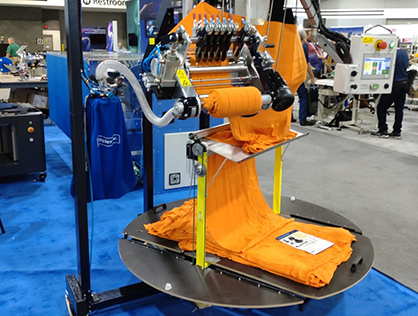
Svegea’s Machinery: A Catalyst for Waste Reduction
Precision Cutting
Svegea’s cutting systems operate with unparalleled precision. Whether it’s collarette cutting or bias cutting, the machinery ensures minimal fabric wastage. AI-driven algorithms enhance this precision by analyzing fabric patterns and suggesting optimal cutting paths.
Just-in-Time Production
The synergy between AI and Svegea’s machinery enables just-in-time production. By cutting fabric precisely when needed, manufacturers reduce excess inventory and minimize waste. The EC 450 XF Collarette Cutting System exemplifies this approach, seamlessly integrating with production schedules.
Sustainable Practices
Textile production planning isn’t just about efficiency; it’s also about sustainability. AI-driven waste reduction aligns with eco-conscious goals. Svegea’s machinery contributes to this by minimizing fabric scraps and ensuring resource-efficient processes.
Case Study: Svegea’s AI-Integrated Production Line
Imagine a textile factory where AI algorithms analyze real-time data from production machines. These algorithms predict machine maintenance needs, optimize production schedules, and minimize downtime. Svegea’s machinery – from fabric cutting to winding – collaborates harmoniously with AI, resulting in a lean, efficient, and sustainable production line.
A Reality Powered by AI
Smart production planning isn’t a distant dream; it’s a reality powered by AI and innovative machinery. As textile manufacturers embrace these advancements, Svegea stands at the forefront, bridging the gap between technology and textile production planning. Let’s weave a future where waste reduction, efficiency, and quality converge seamlessly.
For more information on how Svegea’s machinery can revolutionize your textile production planning, visit Svegea of Sweden’s contact page.
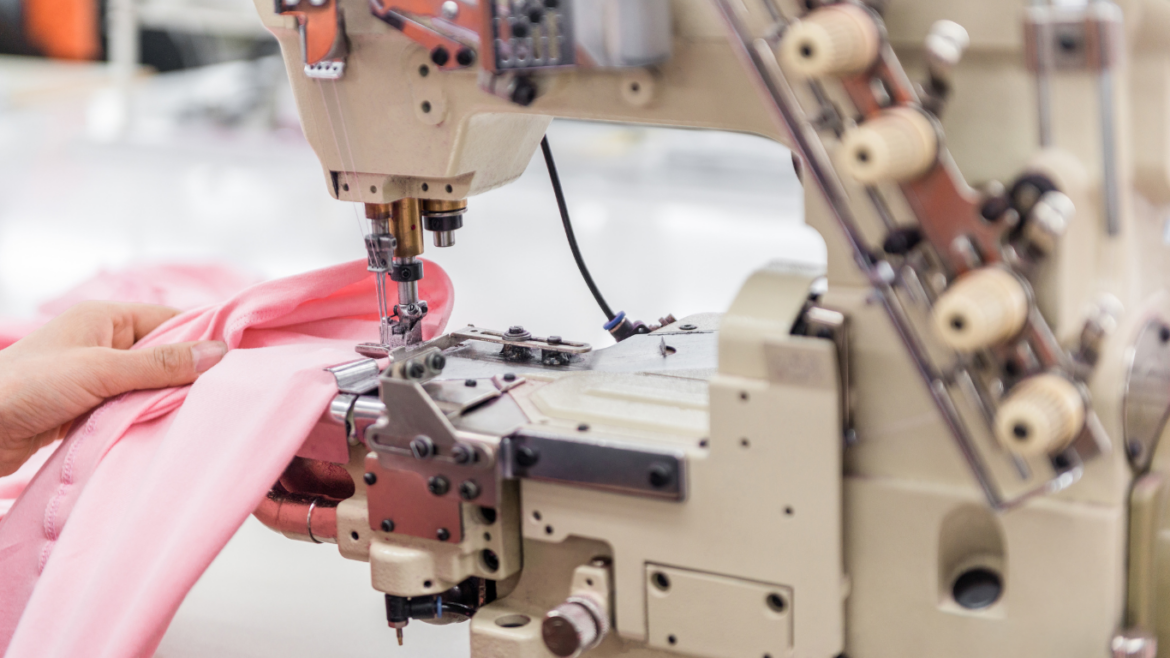
The garment industry, a cornerstone of global manufacturing, has faced numerous challenges and transformations over the years. Despite the rapid advancement of artificial intelligence (AI) and other cutting-edge technologies, garment manufacturing companies continues to thrive. This article explores how the industry adapts and prospers in the face of technological evolution.
Embracing Technological Advancements
The integration of AI and automation in garment manufacturing has revolutionized the industry. Technologies such as the Internet of Things (IoT), machine learning, and robotics have enhanced production efficiency and precision. AI-driven systems can predict fashion trends, optimize supply chains, and improve quality control. These advancements have allowed manufacturers to meet the growing demand for fast fashion while maintaining high standards of quality.
However, the garment industry has not fully automated its processes. The intricate tasks of cutting, sewing, and assembling garments still require human expertise. This blend of human skill and technological innovation has created a unique synergy, ensuring that the industry remains competitive and resilient.
The Human Touch in Garment Manufacturing
While AI and automation have streamlined many aspects of garment manufacturing, the human touch remains indispensable. Skilled artisans and workers bring creativity, precision, and adaptability to the production process. This human element is particularly crucial in high-end fashion, where bespoke tailoring and intricate designs demand a level of craftsmanship that machines cannot replicate.
Moreover, the collaboration between humans and machines has led to the emergence of Industry 5.0, where technology enhances human capabilities rather than replacing them. This approach fosters a more sustainable and efficient manufacturing process, benefiting both producers and consumers.
Sustainability and Ethical Practices
In recent years, there has been a growing emphasis on sustainability and ethical practices within the garment industry. Advanced technologies have played a significant role in this shift. For example, AI can optimize resource usage, reducing waste and minimizing the environmental impact of garment manufacturing. Additionally, blockchain technology is being used to ensure transparency and traceability in supply chains, promoting fair labor practices and ethical sourcing of materials.
These innovations have not only improved the industry’s sustainability but also enhanced its reputation among consumers who are increasingly conscious of the environmental and social impact of their purchases.
Adapting to Market Demands
The garment industry has shown remarkable adaptability in responding to changing market demands. The rise of e-commerce and the shift towards personalized fashion have driven manufacturers to adopt more flexible and responsive production methods. AI-powered tools enable manufacturers to analyze consumer preferences and tailor their offerings accordingly. This ability to quickly adapt to market trends has been a key factor in the industry’s continued success.
Furthermore, the COVID-19 pandemic accelerated the adoption of digital technologies in garment manufacturing. Virtual fitting rooms, 3D design software, and online collaboration tools have become essential in maintaining operations and meeting customer expectations during times of social distancing and lockdowns.

The Future of Garment Manufacturing
Looking ahead, the garment industry is poised to continue its evolution, leveraging AI and other advanced technologies to drive innovation and growth. The integration of smart textiles, wearable technology, and AI-driven design tools will further enhance the capabilities of garment manufacturers. These advancements will enable the creation of garments that are not only stylish but also functional, offering features such as temperature regulation and health monitoring.
Moreover, the ongoing development of sustainable materials and eco-friendly production methods will ensure that the industry remains aligned with global efforts to combat climate change and promote environmental stewardship.
Remarkable Resilience and Adaptability
The garment industry has demonstrated remarkable resilience and adaptability in the face of rapid technological advancements. By embracing AI and other cutting-edge technologies, while preserving the essential human touch, garment manufacturing continues to thrive. The industry’s commitment to sustainability, ethical practices, and responsiveness to market demands ensures its continued success in the ever-evolving landscape of global manufacturing.
As a testament to the industry’s innovative spirit, companies like Svegea of Sweden are providing state-of-the-art textile machinery that enhances production efficiency and quality. These advancements support garment manufacturers in their quest to stay competitive and meet the demands of a dynamic market.
Discover the future of garment manufacturing with innovative solutions from Svegea of Sweden. Enhance your production efficiency and quality today. Talk to us to learn more!

In the ever-evolving tapestry of the textile industry, staying ahead of the curve isn’t just smart—it’s essential. As we thread our way through 2024, let’s unravel the spool of future trends in textile manufacturing that are stitching a new narrative for fabric production.
Smart Textiles: The Brainy Fibers
Imagine a world where your clothes adjust to your body temperature, track your health stats, or even change color to match your mood. No, it’s not science fiction; it’s the magic of smart textiles. These brainy fibers integrate advanced materials to bring intelligence to our wardrobes. It’s like having a personal assistant woven into your jeans!
3D Technologies: Tailoring a New Reality
Gone are the days of one-size-fits-all. With 3D technologies in fashion, custom-fit clothing is becoming the norm, not the exception. This trend is not just about looking good; it’s about precision, efficiency, and reducing waste. So, if you’re tired of clothes that just don’t fit right, the future looks tailor-made for you.
Sustainable Supply Chains: Green Is the New Black
As the industry spins toward sustainability, sustainable supply chains are becoming as crucial as fashion. It’s about creating a cycle of production that respects the planet as much as it does profit. After all, what’s the point of looking good if we don’t have a planet to look good on?
Customization and Personalization: The ‘You’ in Your Clothes
In a world where everyone wants to stand out, customization is king. The future of textiles is personal, with bespoke designs and personalized experiences becoming the new standard. It’s time to wear your personality on your sleeve—literally.
AI and Data Analytics: The Style Algorithm
Data is the new thread in textile manufacturing, with AI and data analytics weaving patterns of efficiency and innovation. These technologies are not just about crunching numbers; they’re about creating fabrics that are smarter, more responsive, and, dare we say, more fashionable.
Engaging the Right Partner
As we embrace these future trends, it’s clear that the right partner can make all the difference. Engage the services of a textile manufacturing company that’s not just keeping up with these trends but is at the forefront of the textile revolution. You want to be in good company. Whether it’s smart textiles or sustainable practices, Svegea is the go-to for any manufacturing needs to cope with the future trends in textiles.
It’s an exciting time to be in the industry, and with companies like Svegea of Sweden leading the charge, the future is not just bright; it’s brilliant. For more insights into these trends, check out the full reports from StartUs Insights and GreyB. And remember, when it comes to the future of textiles, don’t just follow the trends—wear them.
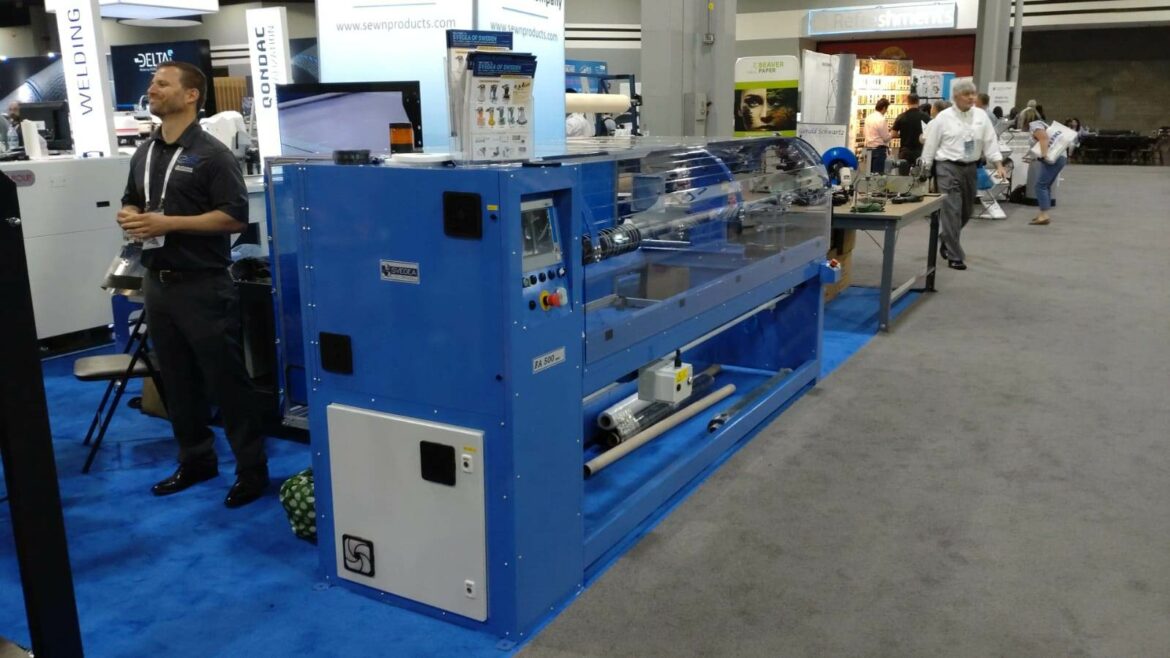
In manufacturing optimization, Svegea’s roll-slitting machines stand out as pioneers, integrating precision and speed to redefine production standards. These advanced machines cater to diverse industries, from textiles to packaging, offering sustainable solutions that maximize output while minimizing waste. Let’s explore how Svegea’s technology contributes to efficient material utilization and supports sustainable manufacturing practices.
Enhancing Efficiency Through Innovation
Svegea’s roll-slitting machines address the inefficiencies of traditional cutting methods by optimizing material usage. Unlike conventional processes that often result in significant leftover materials, Svegea ensures each roll is fully utilized, reducing costs and environmental impact. This commitment to efficiency boosts productivity and supports sustainable production practices.
Seamless Integration and Versatility
One of the key strengths of Svegea’s machines lies in their seamless integration into existing production workflows. Their user-friendly interfaces and intuitive designs empower operators to manage and control operations effortlessly. This versatility allows manufacturers to handle a wide range of materials with precision, adapting swiftly to varying production demands.
Precision and Quality Assurance
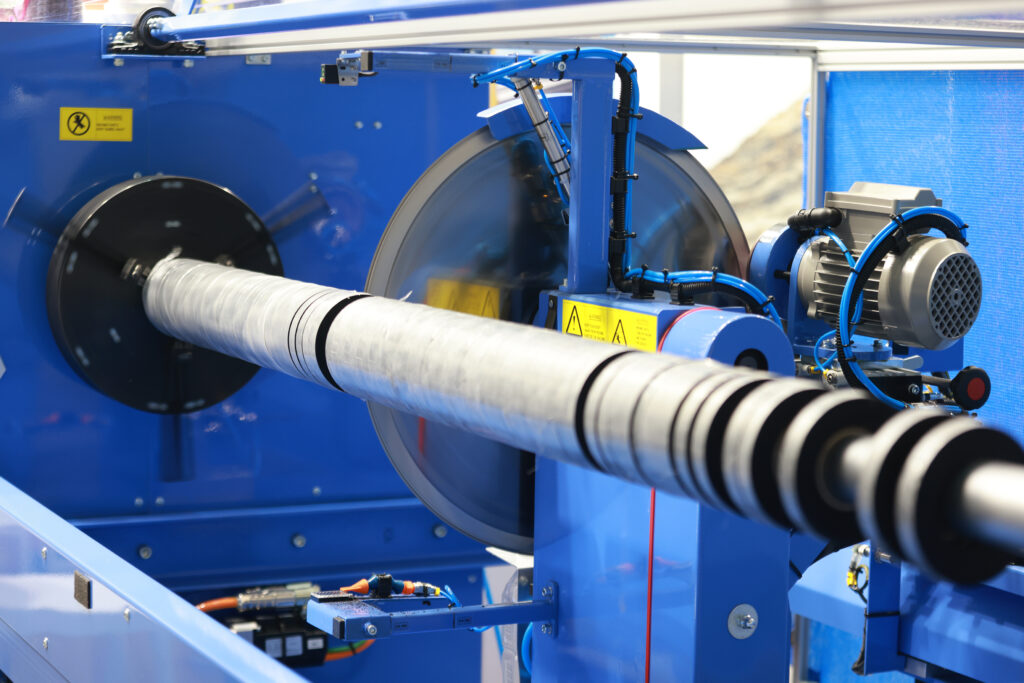
Precision is paramount in manufacturing, and Svegea’s roll-slitting machines excel in delivering consistent and accurate cuts. Advanced technology ensures that each slit meets stringent quality standards, minimizing errors and enhancing overall product quality. This precision not only reduces rework but also enhances operational efficiency, making these machines indispensable in high-demand industries.
Contributing to Sustainable Practices
Central to Svegea’s innovation is its commitment to sustainable manufacturing. By minimizing material waste through efficient roll-slitting technology, these machines play a crucial role in reducing environmental footprint. Optimal material utilization not only lowers raw material consumption but also supports eco-friendly production processes, aligning with global sustainability goals.
Shaping the Future of Manufacturing
Looking ahead, Svegea’s roll-slitting machines continue to set benchmarks for efficient and sustainable manufacturing practices. Their ability to maximize output while minimizing waste underscores a paradigm shift towards more responsible industrial practices. As industries evolve towards greater efficiency and environmental consciousness, Svegea remains at the forefront of driving innovation and shaping the future of manufacturing worldwide.
Harnessing the Power of Roll/Slitting Machines
By harnessing the capabilities of Svegea’s Roll/Slitting Machines, industries can achieve significant improvements in production efficiency and sustainability. These machines not only optimize material utilization but also pave the way for a more environmentally conscious approach to manufacturing. Embracing such technology not only benefits businesses economically but also contributes positively to global environmental efforts.
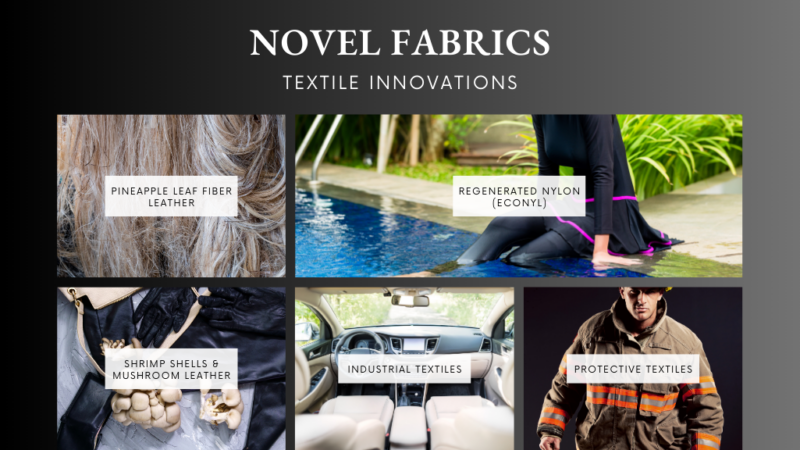
In recent years, advancements in technology and a growing emphasis on sustainability have fueled the development of novel fabrics. These textiles are engineered to possess unique properties that challenge the boundaries of traditional materials.
Let’s explore some exciting innovations:
1. Algae-Based Fabrics
Keel Labs has introduced Kelsun, an algae-based material that looks and feels like natural fiber. Derived from algae, Kelsun offers a sustainable alternative to petroleum-based synthetics. It has already appeared in collections by designer Stella McCartney.
2. Shrimp Shells and Mushroom Leather
TomTex, another trailblazer, uses shrimp shells and mushrooms to create proprietary materials that mimic leather, suede, and even latex. These alternatives are not only eco-friendly but also versatile. Peter Do’s Spring 2023 faux leather and Dauphinette’s Fall 2024 handbags feature TomTex materials.
3. Pineapple Leaf Fiber Leather
Piñatex is an innovative leather alternative made from pineapple leaf fibers, a byproduct of pineapple harvest. It’s both sustainable and stylish, making it a favorite among eco-conscious designers.
4. Regenerated Nylon (Econyl)
Econyl is a regenerated nylon made from recycled materials, including discarded fishing nets and fabric scraps. It’s a step toward reducing plastic waste and promoting circular fashion.
5. Geotextiles
These specialized fabrics find applications in civil engineering and construction. Geotextiles are used for drainage, soil stabilization, and erosion prevention.
6. Protective Textiles
Designed to shield users from various hazards, protective textiles are crucial in industries such as chemical handling, firefighting, and the military. They protect against chemicals, heat, and even ballistic impact.

7. Industrial Textiles
These textiles serve industrial purposes, including automotive applications. Automobiles utilize them for insulation, upholstery, seat belts, and airbags.
Sustainability and Functionality
Novel textile manufacturers engineer them to repel water, resist flames, or exhibit antibacterial qualities. These features enhance their functionality and sustainability in various applications.
Svegea’s Collarette Cutting Machines
As we delve into the world of novel textiles, we must acknowledge the role of cutting-edge machinery. Svegea, a Swedish company, specializes in Collarette Cutting Machines. These machines efficiently cut fabric collars, cuffs, and other textile components, contributing to sustainable production processes.
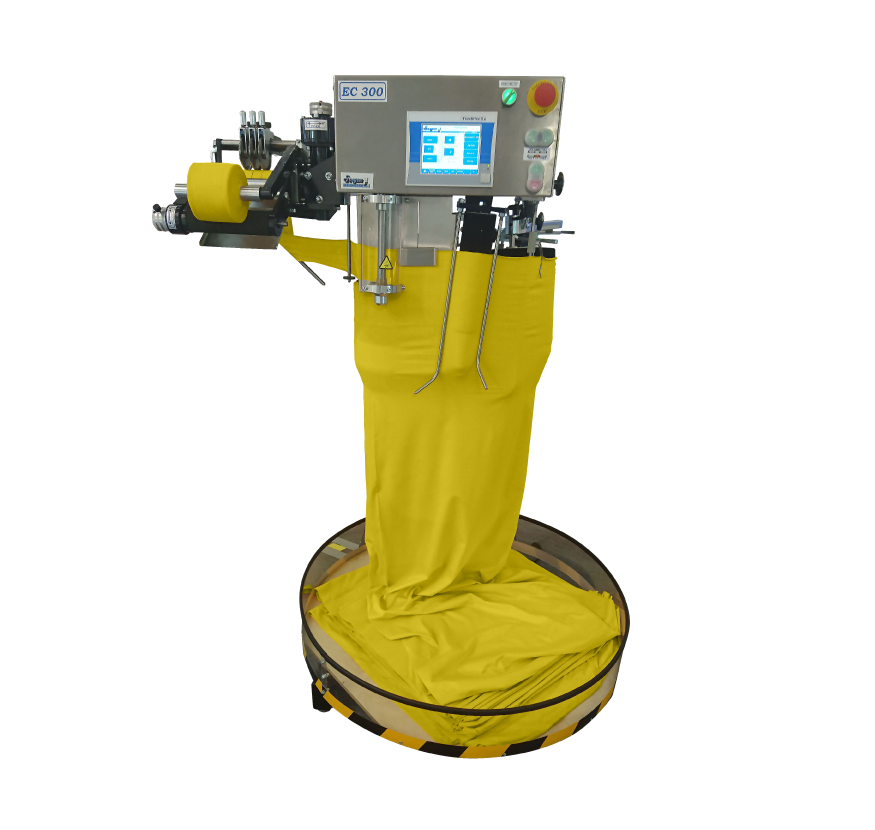
The fashion industry’s shift toward novel textiles reflects a commitment to environmental responsibility. As designers and consumers embrace these innovations, we move closer to a more sustainable and functional future.