
Factories face three hard truths: fabric costs keep rising, buyers want faster delivery, and sustainability matters to customers and regulators. Improving garment manufacturing efficiency puts these pressures into practical order. Get this right and you cut costs, gain speed, and reduce waste.
Where waste really bites
Small mistakes cost big. A mis-inspected roll can mean meters of unusable fabric. Manual checks slow lines and create rework. Labor shortages and rising wages exacerbate every inefficiency. That is why garment manufacturing efficiency must be a daily focus, not a quarterly idea.
Trends pushing factories to change
Across the industry, manufacturers are adopting digital tools. Marker optimization reduces raw material use. Real-time dashboards track defects. Automation speeds repetitive tasks while freeing people to solve problems. Together, these moves enhance garment manufacturing efficiency and make factories more scalable.
Tools that move the needle
Automation is not a single gadget. It is a set of targeted investments that deliver repeatable gains. Start with quality control. Automated inspection and reliable cutting reduce rework and scraps. Next, connect systems so design files, markers, and production data flow without manual transfers. That reduces setup time and avoids costly mistakes. Focused improvements add up fast when your goal is garment manufacturing efficiency.
Fabric inspection: the unsung hero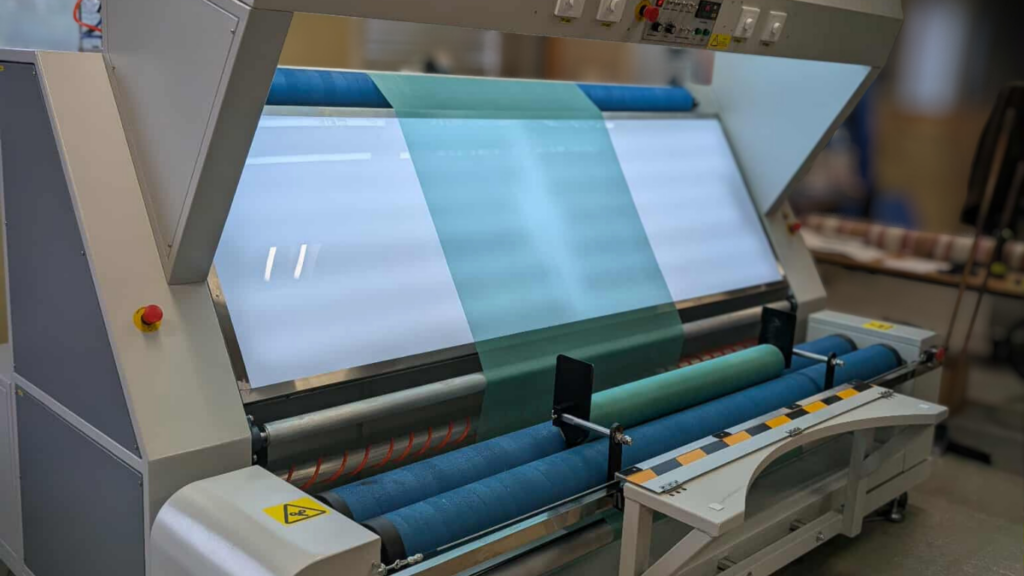
A lot of manufacturers undervalue inspection. A good inspection line catches faults before cutting, preventing defects that would otherwise propagate through sewing and finishing. The CMI 210 ZR fabric inspection machine is built for that exact role. It handles rolls up to 2100 mm, runs roll-to-roll or roll-to-flat, and offers variable electronically controlled speed, photocell edge alignment, and electronic tension adjustments. That level of control reduces hidden waste at the source.
Collarette cutting: precision where it matters
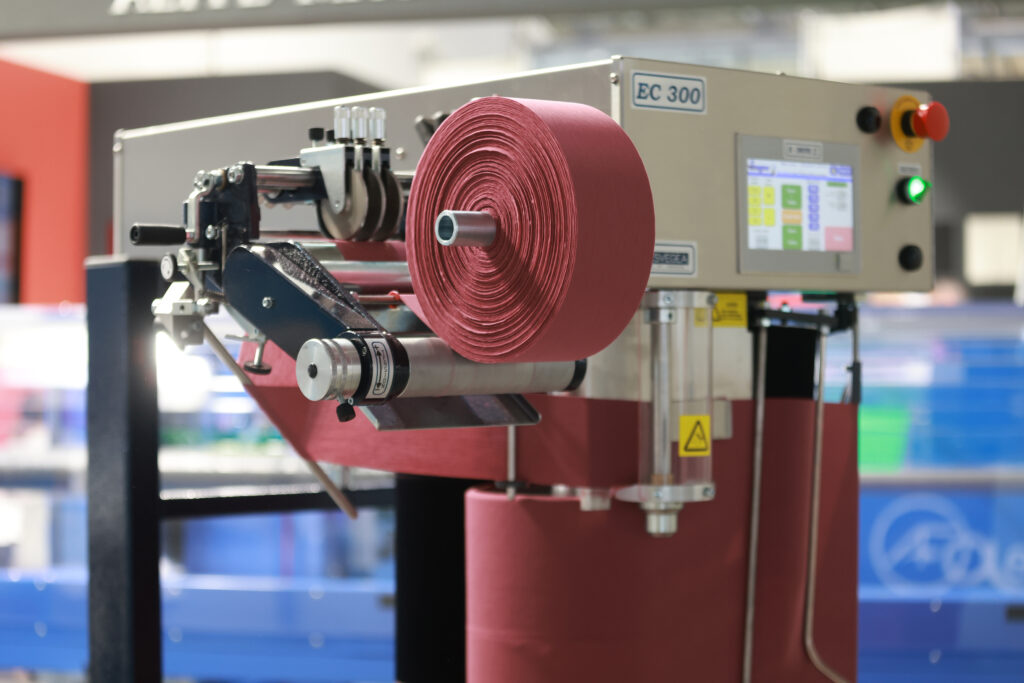
Certain parts of a garment reveal flaws instantly. Collarette and binding components need uniform width and clean edges. Svegea’s collarette cutting machines cover semi-automatic and fully automatic models. They handle tubular knitted fabric with adjustable widths from about 16 to 140 mm. The standard setup cuts two bands at once, and knife units can be added for more. For high-volume runs, the automatic systems remove variability and keep quality consistent.
What success looks like in real numbers
When factories prioritize process control and the right equipment, they see measurable results. Expect fabric waste to drop, lead times to shorten, and quality rejects to decline. These improvements drive margin expansion and help with sustainability reporting. In short, garment manufacturing efficiency converts directly into competitive advantage.
A simple plan to get started
Start methodically. First, audit the cutting and inspection rooms to find where most scrap and rework come from. Next, pilot one change. Try a fabric inspection line or a semi-automatic collarette cutter on a single product style or order run. Train the operators, collect data, and tweak. Finally, scale what proves out. This stepwise approach helps you manage cost and avoid disruption.
The business case
The math usually lands in your favor. Less waste means lower material spend. Tighter quality control means fewer returns and less rework. Faster setup times mean you can run smaller batches and respond to demand. That combination raises throughput without endless headcount increases. If you want to improve garment manufacturing efficiency, this is the route most executives choose.
Focusing on the right tools
Efficiency is not glamorous, but it is decisive. Focus on the right mix of inspection, precise cutting, and connected workflows, and you will see both cost and time benefits. Machines that support those goals, whether a robust inspection unit like the CMI 210 ZR or a scalable Euro-Collarette cutter, are tools that turn good intentions into measurable results.
For a demo or to discuss how this fits your production, contact Håkan Steene at h.steene@svegea.se or visit the Svegea product pages.

The textile industry is undergoing a digital revolution, and AI in textile manufacturing is at the forefront of this transformation. Artificial intelligence reshapes how textiles are created, manufactured, and distributed, from optimizing design processes to enhancing production efficiency.
AI in Textile Design: Innovation Meets Creativity
AI is revolutionizing textile design by enabling faster, smarter, and more efficient pattern-making. Designers now use AI-powered tools to generate intricate patterns, predict fashion trends, and customize designs based on consumer preferences.
How AI Enhances Textile Design:
-
- Automated Pattern Generation: AI algorithms analyze vast datasets to create unique textile patterns.
- Trend Prediction: Machine learning models forecast upcoming fashion trends, helping designers stay ahead.
- Customization: AI-driven tools allow brands to personalize designs based on customer preferences.
AI in Textile Production: Efficiency and Precision
AI is streamlining textile production by automating processes, reducing waste, and improving quality control. Manufacturers are integrating AI into machinery to optimize operations and enhance productivity.
Key AI Applications in Textile Production:
AI is transforming textile production through targeted, high-impact applications. Automated 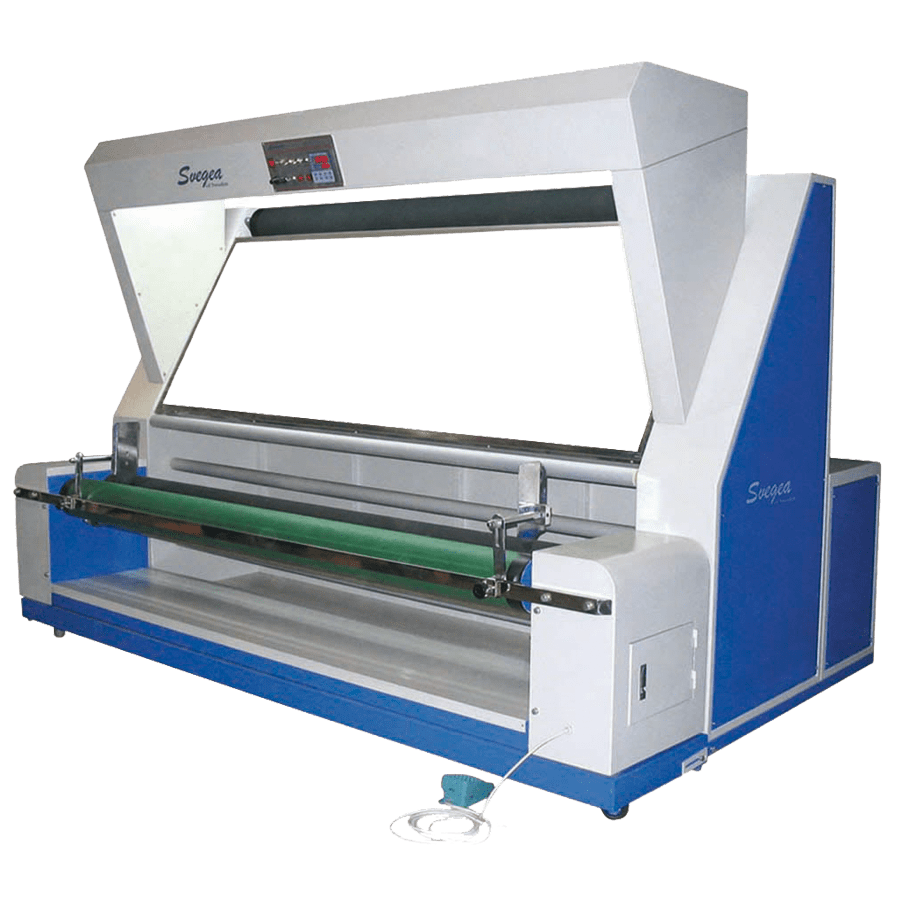 fabric inspection systems now use advanced vision technology to identify defects with precision, ensuring only high-quality materials move forward in the process. On the factory floor, smart manufacturing machines continuously adjust their settings in real time, maximizing efficiency and minimizing downtime. Meanwhile, AI-driven supply chain tools analyze demand patterns and guide resource allocation, keeping operations agile and responsive.
AI-Driven Innovations in the Textile Industry
AI is not just improving efficiency—it’s driving groundbreaking innovations in textile production.
Examples of AI-Driven Innovations:
-
- AI-Powered Smart Textiles: Fabrics embedded with AI sensors for enhanced functionality.
- Predictive Maintenance: AI anticipates machine failures, reducing downtime.
- Eco-Friendly AI Solutions: AI optimizes dyeing processes to minimize environmental impact.
The Future of AI in Textile
AI is transforming the textile industry, making design and production more efficient, sustainable, and innovative. As AI continues to evolve, manufacturers and designers must embrace these advancements to stay competitive.
For more information on AI in textile manufacturing and product demos, contact Hakan Steene at h.steene@svegea.se.

In the ever-evolving textile industry, fabric inspection has always been a critical yet challenging task. Ensuring the highest quality of fabrics is essential for maintaining brand reputation and customer satisfaction. However, traditional methods of fabric inspection are often time-consuming and prone to human error. This is where artificial intelligence (AI) steps in, revolutionizing the way we approach fabric inspection.
The Need for Advanced Fabric Inspection
As someone deeply involved in the textile industry, I have witnessed firsthand the limitations of manual fabric inspection. The process is labor-intensive and can miss subtle defects that affect the final product’s quality. With the increasing demand for flawless fabrics, there is a pressing need for more efficient and accurate inspection methods.
How AI Transforms Fabric Inspection
AI technology has brought a significant shift in fabric inspection processes. By integrating AI, companies like Svegea of Sweden are setting new standards in quality control. AI systems use high-resolution cameras and sophisticated algorithms to detect defects that human eyes might overlook. These systems can identify issues such as misweaves, pattern irregularities, and color deviations with remarkable precision.
One of the most impressive aspects of AI in fabric inspection is its ability to process vast amounts of fabric quickly. What used to take hours can now be done in minutes, significantly speeding up the production cycle and reducing labor costs. This efficiency not only enhances productivity but also ensures that only top-quality fabrics reach the market.
Svegea of Sweden: Leading the Way
Svegea of Sweden has been at the forefront of integrating AI into fabric inspection. Their innovative approach combines advanced technology with industry expertise to deliver unparalleled results. For instance, their latest fabric inspection machine, equipped with AI capabilities, can scan and analyze fabrics in real-time, ensuring that any defects are immediately identified and addressed.
This technology is a game-changer for the textile industry. By automating the inspection process, Svegea of Sweden not only improves accuracy but also frees up human inspectors to focus on more complex tasks that require a human touch. This blend of AI and human expertise creates a more efficient and effective inspection process.
Benefits of AI in Fabric Inspection
The benefits of using AI for fabric inspection are manifold. Firstly, it enhances accuracy. AI systems can detect even the smallest defects, ensuring that only the best fabrics make it to the market. This level of precision is difficult to achieve with manual inspection alone.
Secondly, AI-driven inspection systems are incredibly efficient. They can process large volumes of fabric quickly, reducing the time required for inspection and speeding up the overall production process. This efficiency translates into cost savings for manufacturers, as they can produce more in less time.
Moreover, AI systems are consistent. Unlike human inspectors, who may have varying levels of attention and expertise, AI systems provide uniform quality control. This consistency is crucial for maintaining high standards across all products.
Real-World Applications
The real-world applications of AI in fabric inspection are impressive. For example, companies using AI technology have reported significant reductions in defect rates and improvements in overall product quality. This technology is not just a theoretical concept; it is being used successfully in the industry today.
Svegea of Sweden’s AI-powered fabric inspection machines is a testament to this success. By leveraging AI, they have been able to enhance their inspection processes, ensuring that their fabrics meet the highest quality standards. This commitment to quality has helped them build a strong reputation in the industry. 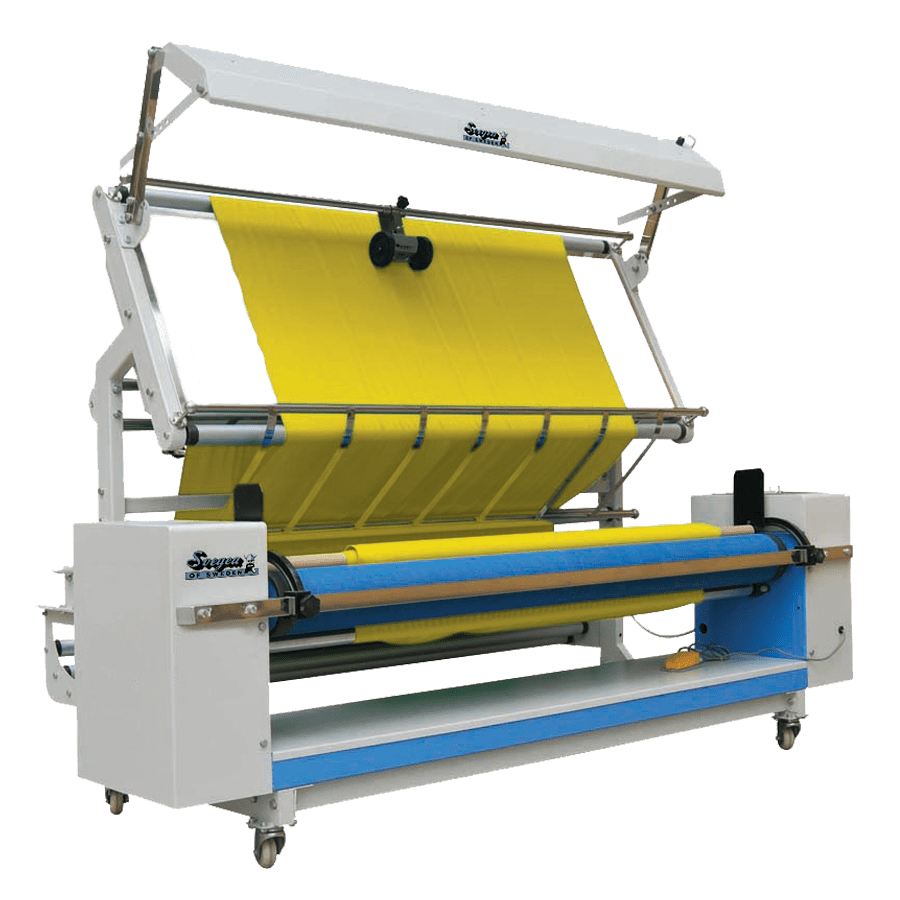
The Future of Fabric Inspection
Looking ahead, the future of fabric inspection lies in further advancements in AI technology. As AI systems become more sophisticated, they will be able to detect even more subtle defects and provide even greater accuracy. This will set new benchmarks for quality control in the textile industry.
Additionally, the integration of AI with other technologies, such as the Internet of Things (IoT) and machine learning, will open up new possibilities for fabric inspection. For instance, IoT-enabled sensors can provide real-time data on fabric conditions, which AI systems can analyze to predict potential defects before they occur.
Revolutionizing the Fabric Inspection Technology
AI technology is revolutionizing fabric inspection, making it more accurate, efficient, and consistent. Companies like Svegea of Sweden are leading the way, demonstrating the immense potential of AI in the textile industry. By embracing this technology, manufacturers can ensure that their fabrics meet the highest quality standards, enhancing their reputation and customer satisfaction.
If you are interested in learning more about how AI can transform your fabric inspection processes, visit Svegea of Sweden’s fabric inspection page. Discover how their innovative solutions can help you achieve unparalleled quality control in your textile production.
- 1
- 2