TL;DR
Base layers have gone from hidden essentials to fashion pieces, with bold colours, prints and premium fibres like merino. Google searches for wool base layers rose 61% year on year. For manufacturers, these close-fitting knits leave no room for error: fabric must be relaxed before cutting, neckbands and cuffs must match perfectly, and binding strips must stay flat and even. Get those details right and the garment feels like a second skin.
Picture a ski lodge at four in the afternoon. Boots off, cheeks pink, someone ordering hot chocolate. Ten years ago, nobody would have shown off their thermal top in that room. Today? It’s the outfit.
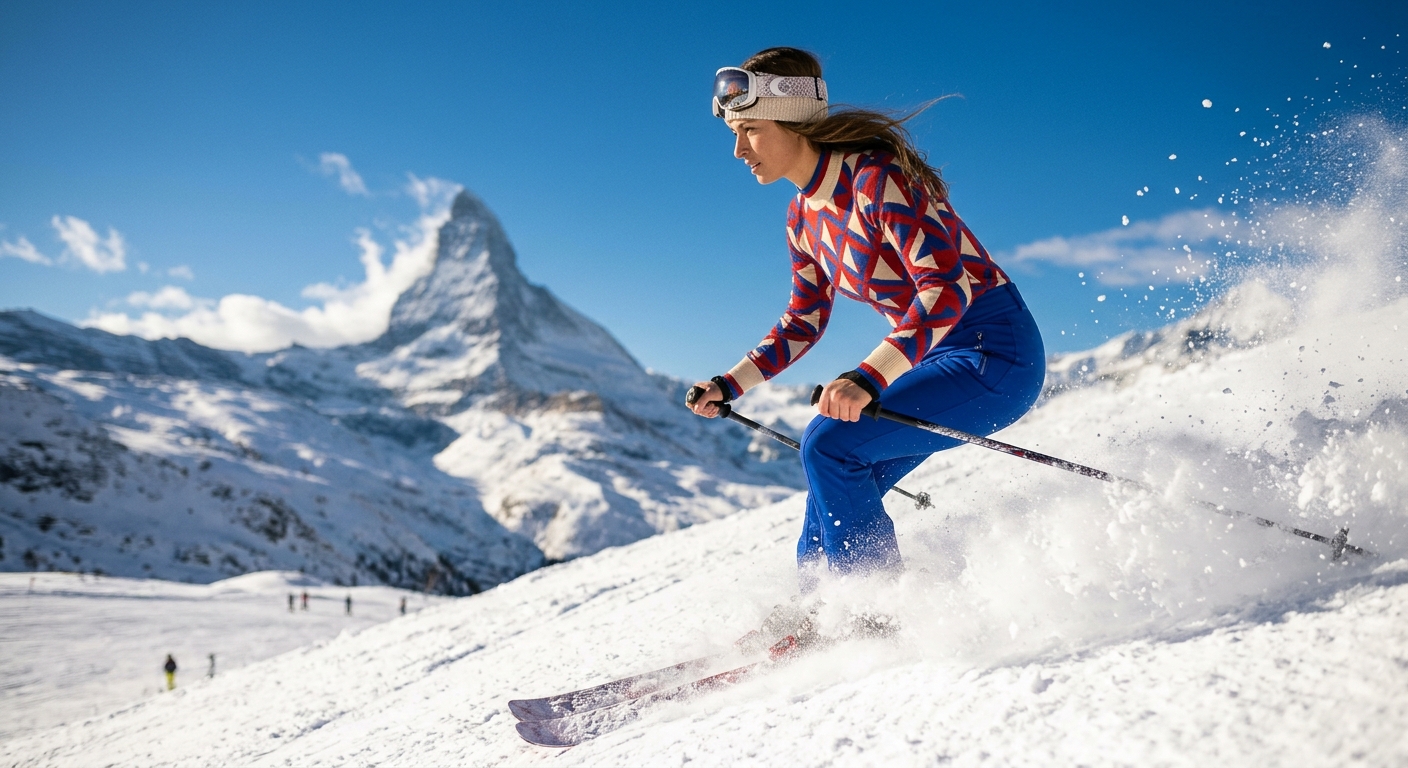
Après-ski style gained real momentum around the 2026 Winter Olympics in Milan and Cortina, and it hasn’t left. The humble base layer rode that wave. Marie Claire’s 2026 ski trend report described base layers finally getting their moment, with viral colours, striking prints and better fabrics. Brands now design them to be seen, not hidden under a shell jacket.
For garment makers, that shift brings opportunity and pressure in equal measure. A base layer sits directly against the skin. Every wobbly seam, every twisted neckband and every size that shrinks after the first wash shows up immediately. So what does it take to make a great one?
Natural fibres are leading the charge
Shoppers want warmth without the sweaty, plastic feel of cheap synthetics. In July 2026, Sorona and WGSN reported that Google searches for wool base layers rose 61% year on year, while searches for cotton leggings rose 21%. Merino wool sits at the centre of that story. It breathes, it regulates temperature, and it naturally resists odour, which is exactly what a skier wants after six hours on the slopes.
Natural doesn’t mean simple, though, and anyone who has cut merino on a busy Monday knows it. Merino jersey and merino-elastane blends are fine, springy knits. They behave beautifully on the body and stubbornly in the factory.
Problem one: tension you can’t see
Knitted fabric spends its early life being pulled. The knitting machine stretches it, the finishing line stretches it, and winding it onto a roll locks that stretch in place. On the cutting table, the fabric looks perfectly calm. It isn’t.
Cut it straight off the roll, and the pieces slowly creep back to their natural size. A medium becomes a small. Sleeves come up short. The customer washes it once and posts a one-star review. Traditionally, cutting rooms let rolls rest flat for a day or two before spreading, but few factories have that kind of floor space or time in peak season.
That’s why many knitwear producers now run fabric through a relaxing machine first. Svegea’s relaxing range, for example, feeds the fabric with little or no tension and lays it down loose, so the knit settles before anyone picks up a cutter. Your sizing is protected long before the first piece is cut.
Problem two: necklines and cuffs that must match
Look closely at a quality base layer and you’ll notice how clean the neckline is. The neckband lies flat. The cuffs hug the wrist without biting. Those bands usually come from tubular knit, cut into strips of exactly the right width.
Here’s the tricky part. When a collection uses bold colours and prints, the bands often come from the same fabric as the body, so they have to match in shade, stretch and width across every size. Even a few millimetres of variation makes a neckline ripple. Collarette cutting machines handle this job by slicing tubular fabric into continuous, even bands, which keeps every neckline on a rail of uniform trims.
Problem three: flat seams and binding
Nobody wants a seam rubbing their shoulder under a backpack strap all day. That’s why technical base layers rely on flatlock seams and soft binding at the edges. The binding strips need to be narrow, consistent and clean-edged, or they twist as they feed into the machine.
Factories that cut their own binding from the roll gain a real advantage here. They control the width, match the colour to the body fabric, and avoid waiting weeks for outsourced trims. Accurate roll-slitting and strip-cutting machines make that possible at production speed.
Prints and colour raise the stakes
The anti-basic base layer is bright by design. Think cherry red, cobalt, animal prints and retro geometrics. Bright fabric is gorgeous and brutally honest: a dye streak or a knitting flaw that hides in charcoal jumps out in red. Many mills now inspect rolls before cutting rather than after a buyer finds the problem. A flawed roll that is caught early costs a few minutes; one that is discovered after cutting can cost the whole lay.
Timing: next winter is closer than it looks
Here’s the slightly uncomfortable truth. While skiers enjoy this season, buyers are already finalising base layers for winter 2027/28. Orders are placed in smaller runs with more colourways, and lead times keep shrinking.
The factories that win those orders tend to have three things in common. They relax knits before cutting. They make their own bands and binding in-house. And they catch fabric flaws early. None of that is glamorous, but it’s what turns a pretty sketch into a base layer that customers buy again.
The second-skin standard
A great base layer disappears on the body. You forget you’re wearing it until you realise you’ve stayed warm, dry and comfortable all day. That feeling starts long before the slopes, on a cutting room floor where someone took the time to let the fabric breathe and cut every band to the millimetre.
After all, the best après-ski outfits begin with what’s underneath.
Key takeaways
- Base layers are now fashion pieces, with bold colours, prints and premium fibres.
- Searches for wool base layers rose 61% year on year, putting merino in the spotlight.
- Knitted fabric holds hidden tension, so relaxing it before cutting protects sizing.
- Matching neckbands, cuffs and binding strips decide whether a base layer feels like a second skin.
- Bright colours make early fabric inspection more important than ever.
FAQ
Why are base layers trending in 2026?
Après-ski style gained momentum around the 2026 Winter Olympics, and base layers now come in bold colours, prints and premium fibres such as merino, so people wear them as visible fashion pieces.
Why should knitted fabric be relaxed before cutting?
Knitting, finishing and rolling stretch the fabric. If it is cut under tension, the pieces shrink back afterwards and garments come out smaller than planned. Relaxing the fabric first keeps sizes accurate.
How are neckbands and cuffs made for base layers?
Manufacturers usually cut neckbands and cuffs from tubular knit fabric into continuous strips of an exact width, often with a collarette cutting machine, so every band matches in width and stretch.
What seams do technical base layers use?
Most technical base layers use flatlock seams and soft, narrow binding at the edges to prevent chafing against the skin.
Ready for next winter?
Planning your next base layer or knitwear season? Contact Svegea of Sweden or Hakan Steene at h.steene@svegea.se for product details or a demo of our relaxing, collarette and strip cutting machines.