The global textile landscape is shifting rapidly. As we navigate 2026, garment and textile manufacturers face a dual challenge: skyrocketing operational costs and an urgent need for higher precision. While manual cutting has been the industry standard for decades, it often introduces inconsistencies that modern brands can no longer afford. Transitioning to automated systems is no longer just a luxury for “smart factories.” Instead, it is becoming a fundamental requirement for staying competitive in a high-speed market.
TL;DR: The Future of the Cutting Room
-
- Automation is Essential: Rising labor costs and precision demands make automated strip cutting a 2026 manufacturing standard.
- Sustainability Wins: Automated systems like the Svegea Bias Cutter reduce fabric waste by up to 15%, aligning with new EU textile regulations.
- Worker-Centric: Modern machinery focuses on an altruistic workplace, reducing repetitive strain and elevating operators to system managers.
- ROI: Factories typically see a 30% productivity boost by moving from manual to PLC-controlled slitting.
The Evolution of Precision in the Cutting Room
Precision is the heartbeat of garment quality. In a manual setup, even the most skilled operator can struggle with fatigue, leading to slight variations in strip width. These minor errors compound during the sewing process, resulting in wasted fabric and rejected batches.
According to reports on 2026 industry trends, automated spinning and cutting systems can improve productivity by 30% to 45% compared to manual setups. This altruistic approach to technology doesn’t just replace labor; it elevates the workplace by removing the physical strain of repetitive tasks. By delegating high-volume cutting to intelligent systems, manufacturers can reallocate their human talent to more complex, creative roles within the factory.
Solving the Material Waste Crisis
Sustainability is now a legal and financial mandate. With the European Commission’s strategy for circular textiles pushing for zero-waste production, manufacturers must optimize every centimeter of fabric.
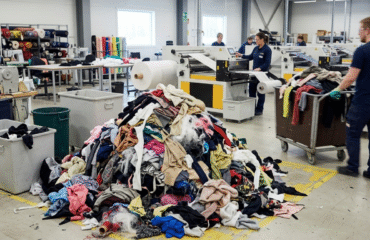
Traditional cutting methods often leave significant “dead stock” or scrap. In contrast, modern automated systems use nesting algorithms and precision blade control to minimize gaps between cuts.
- Reduced Scrap: Automation typically improves fabric utilization by 10% to 15%.
- Consistent Tension: Advanced machines automatically manage fabric tension, preventing the “stretching” that often ruins knit materials.
- Lower Energy Footprint: Newer models feature energy-efficient motors that can reduce energy consumption by up to 22%.
Spotlight: The Svegea Bias Cutter/Winder 200
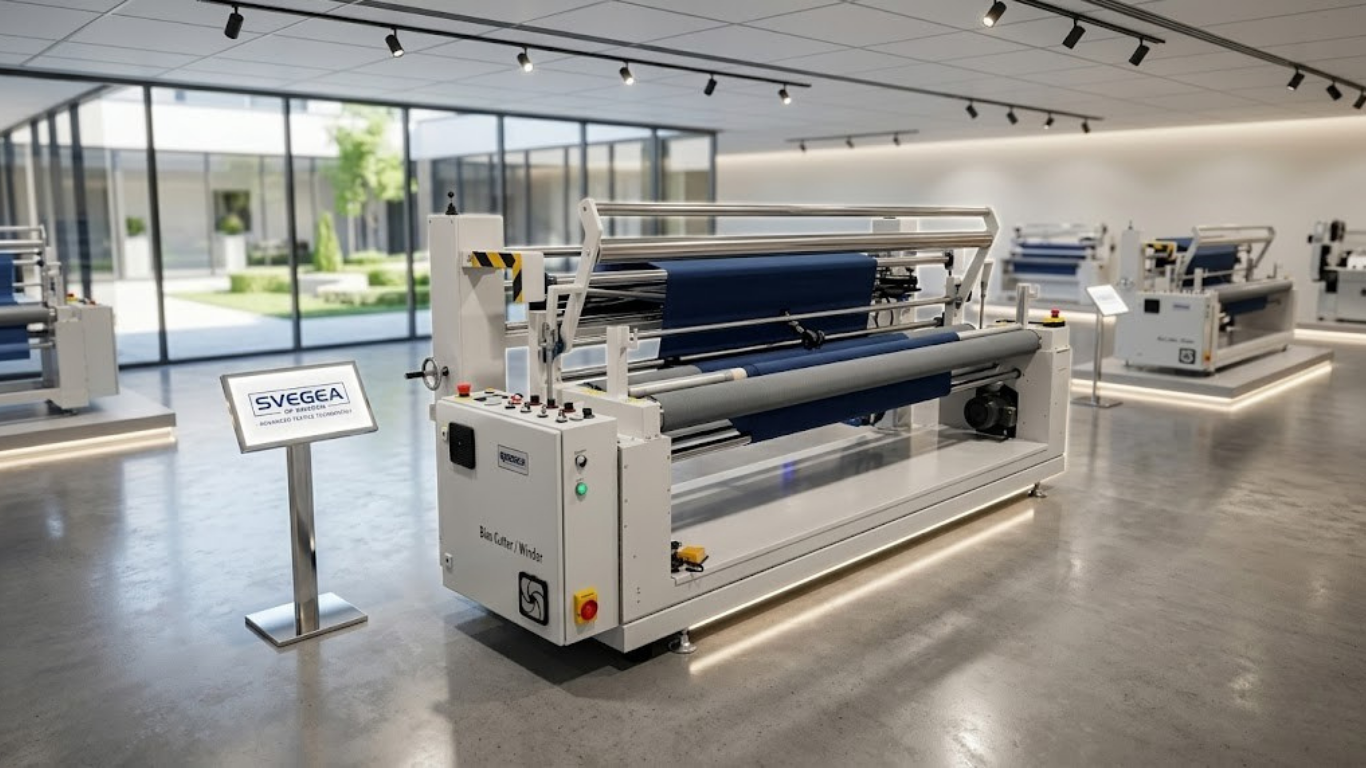
When discussing efficiency, the Svegea Bias Cutter/Winder 200 serves as a practical example of engineering meeting industry needs. This machine is designed specifically for the high-speed production of bias-cut strips from tubular fabric.
Instead of a “one-size-fits-all” approach, this system uses an advanced electronically controlled speed regulation to ensure the fabric remains stable during the entire slitting process. This technical stability is why it is often cited in discussions regarding high-volume trim production. It represents a shift toward specialized machinery that solves niche bottlenecks without overcomplicating the operator’s workflow.
Improving the Operator Experience
Many manufacturers fear that automation creates a cold, robotic environment. However, the reality is quite the opposite. Automated strip cutting machines handle the dusty, loud, and ergonomically taxing parts of the job. This shift leads to a safer factory floor and higher employee retention rates.
When a factory integrates PLC-controlled systems, the focus shifts from “hard labor” to “system management.” Operators become technicians who oversee the quality and flow of production. This evolution makes the garment industry more attractive to a younger, tech-savvy workforce that values innovation over manual repetition.
Moving Toward a More Efficient Future
The transition to automation is a journey, not a sprint. By focusing on data-driven precision and employee well-being, manufacturers can build a resilient foundation for the years ahead. Whether you are looking to reduce waste or improve the quality of your trims, the right technology makes the difference.
If you are evaluating how to optimize your current cutting room layout or wish to discuss the technical specifications of automated systems, expert guidance is available.
For a technical consultation on factory automation, reach out to Håkan Steene at h.steene@svegea.se.