TL;DR
Fashion in 2027 trades quiet luxury for colour, clashing prints, airy skirts and visible craft. WGSN and Coloro picked Luminous Blue as the 2027 Colour of the Year, natural and bio-based materials are gaining ground, and new EU rules push the industry to waste less. For manufacturers, that means more colourways, shorter runs, tighter quality checks and a bigger demand for clean trims and finishes.
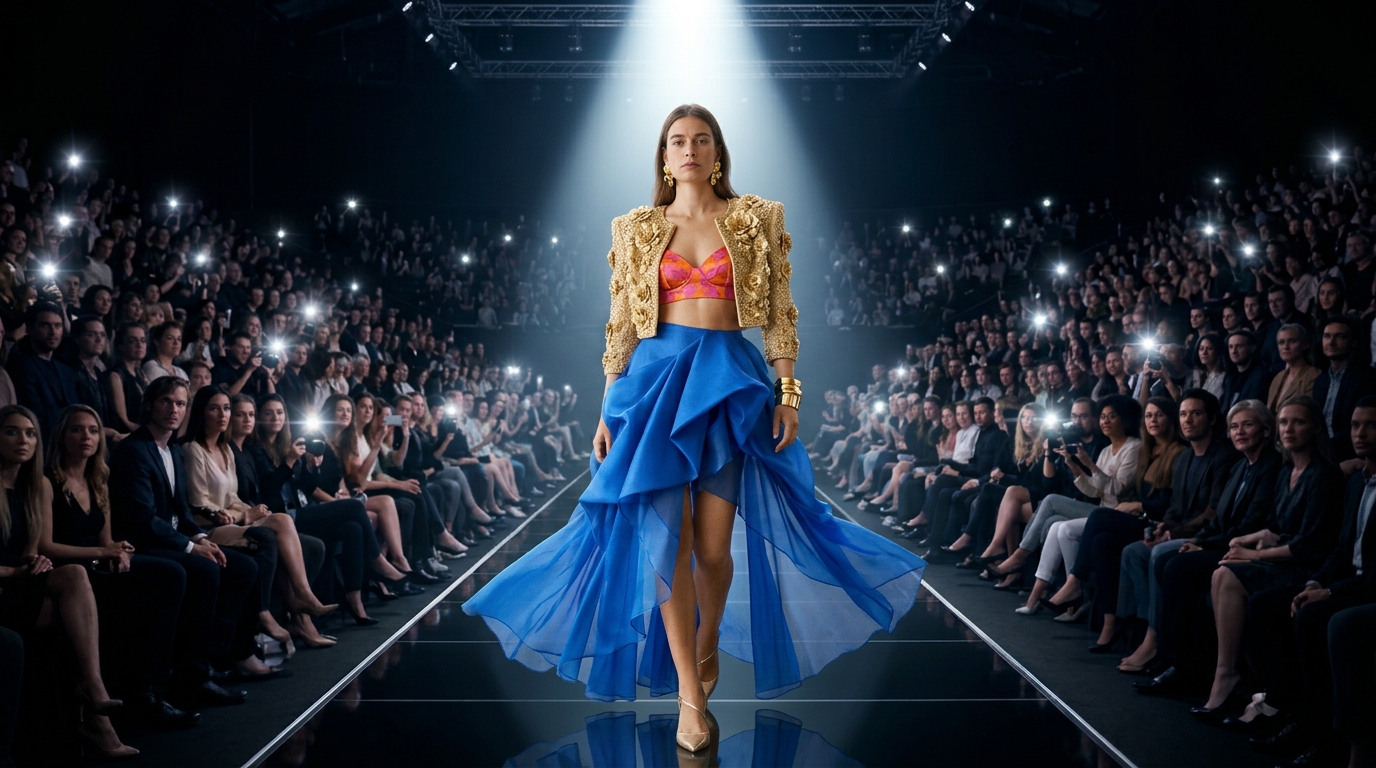
Fashion month has wrapped, and the verdict for 2027 is loud. After years of beige knits and logo-free everything, designers in New York, London, Milan and Paris have moved on from quiet luxury. Colour is back. Prints clash on purpose. Hems float, skirts take centre stage, and craftsmanship finally gets to show off.
If you make clothes for a living, these shifts matter more than any single runway look. Trends decide what lands on your cutting table six to twelve months from now. So let’s walk through the big stories for 2027 and what each one means on the factory floor.
1. Luminous Blue leads a brighter colour story
Trend forecaster WGSN and its colour partner Coloro chose Luminous Blue as their Colour of the Year for 2027. It’s a bold, saturated blue that works across occasionwear, casual pieces and activewear. The rest of their spring/summer 2027 palette is just as upbeat: Energy Orange, Pop Pink, Meadowland Green and a warm, earthy Clay. Runway editors also spotted a fresh coastal mood, with seafoam, aqua and mint showing up at Chanel, Dior and Valentino.
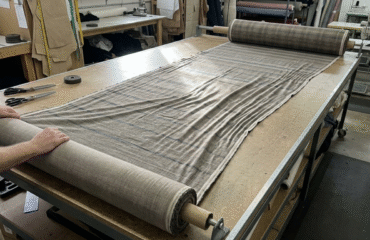
What does that mean for production? Expect more colourways per style and smaller runs per colour. Bright shades are also brutally honest. A slub or shade bar that hides in navy jumps right out in cobalt. That’s why more mills now inspect fabric before it reaches the spreading table, not after the first customer complaint. A roll-to-roll inspection machine, like the ones in Svegea’s economy range, gives your QC team a clear, well-lit view of every metre at a steady speed.
2. Maximalism is back, and quiet luxury takes a back seat
W Magazine summed up the season bluntly: quiet luxury is officially over. Spring 2027 runways were packed with clashing prints, 3D florals, gold and heavy embellishment. One of the most talked-about Chanel looks mixed three prints and seven colours, while Prada clashed loud florals, and Dries Van Noten and Burberry happily joined in.
Busy designs raise the stakes for cutting accuracy. Pattern matching takes longer, embellishment adds steps, and every edge needs a neat finish. Here’s the thing about maximalism: it only looks intentional when the construction underneath is tidy. Clean binding and consistent trims keep a bold garment looking designed rather than chaotic.
3. Skirts, sheers and airy layers
Skirts became the season’s hero piece. Miuccia Prada compared the skirt to a T-shirt, a simple base for endless ideas, and that view was echoed by Khaite, Jil Sander and Altuzarra. The skirts were paired with chiffon, organza and trailing hems at Chanel, Balenciaga and Ralph Lauren.
Light, slippery fabrics look effortless on the catwalk and cause headaches in the sewing room. They fray, shift and pucker. Bias-cut binding remains the classic fix for curved necklines, armholes and delicate hems, because strips cut on the bias stretch and bend without rippling. If sheer skirts and soft dresses hit the high street in volume, demand for bias tape will climb with them. Factories that cut their own bias strips, using a full chain from tube sewing to bias cutting and strip cutting, gain control over width, consistency and lead times.
4. Craft you can see
Who What Wear called out a strong By Hand theme for spring 2027, with crochet skirts, open-work blouses and heirloom details from Chloé, Bottega Veneta, Khaite and The Row. Shoppers paying premium prices want garments that look and feel special.
Mid-market brands will borrow this mood fast. The good news is that craft does not always mean slow. Contrast piping, neat bound seams and well-cut collarettes on knit tops all signal quality at a glance. The catch? Those details only work when every strip and band comes out the same width, roll after roll.
5. Natural and bio-based materials gain ground
In July 2026, Sorona and WGSN named bio-based materials a leading trend for 2027, citing rising consumer interest in natural fibres. Google searches for wool base layers rose 61% year on year, and searches for cotton leggings rose 21%.
Natural knits and blends often behave differently from the synthetics many lines grew up on. Knitted fabric that comes straight off the roll can hold tension, then shrink after cutting. Your sizing is protected when the fabric relaxes first. With activewear and loungewear still strong, collarettes, cuffs and neckbands for tubular knits stay in steady demand too.
6. The rulebook is changing as well
Trends are not the only thing reshaping 2027. Under the EU’s Ecodesign for Sustainable Products Regulation, large companies have not been allowed to destroy unsold apparel since 19 July 2026. The European Commission also plans to adopt the textile-specific delegated act, which sets out Digital Product Passport requirements, in the fourth quarter of 2027.
Put simply, overproduction and waste are turning into cost and compliance problems. Shorter, smarter runs and accurate cutting are no longer just nice to have.
What smart manufacturers are doing now
The factories best placed for 2027 aren’t waiting for orders to arrive. They plan for more colours and shorter runs; inspect fabric early, especially in bright and saturated shades; and build in-house capacity for trims like bias binding and collarettes, so finishing never becomes the bottleneck. And they treat waste as a number to manage, not a cost of doing business.
2027 looks set to be the year of colour, clash and craft. It’s also the year that garments get judged up close, by shoppers and by regulators. The brands and factories that get the details right will be the ones still smiling when the season lands.
Key takeaways
- Luminous Blue, named by WGSN and Coloro, leads a bright and joyful 2027 colour story.
- Quiet luxury is fading; clashing prints, embellishment and visible craft are rising.
- Skirts and sheer, airy fabrics increase the need for clean bias binding and careful handling.
- Natural and bio-based materials are gaining consumer interest.
- EU rules on unsold goods, and the coming textile delegated act make waste a business risk.
FAQ
What is the colour of the year for 2027?
WGSN and Coloro chose Luminous Blue as their 2027 Colour of the Year. Pantone usually announces its own pick in early December.
What are the biggest fashion trends for 2027?
The key trends include bold colour, clashing prints, 3D florals and gold, skirts as a hero piece, sheer and airy fabrics, visible craftsmanship and a move towards natural and bio-based materials.
How will 2027 fashion trends affect garment manufacturers?
Expect more colourways, shorter runs, stricter fabric inspection and higher demand for trims such as bias binding and collarettes.
When will Digital Product Passport rules apply to textiles?
The European Commission plans to adopt the textile-specific delegated act in the fourth quarter of 2027, with obligations applying after a transition period.
Ready for 2027?
Curious how Svegea’s machines could fit into your 2027 production plans? Contact Svegea of Sweden or Hakan Steene at h.steene@svegea.se for product details or a demo.