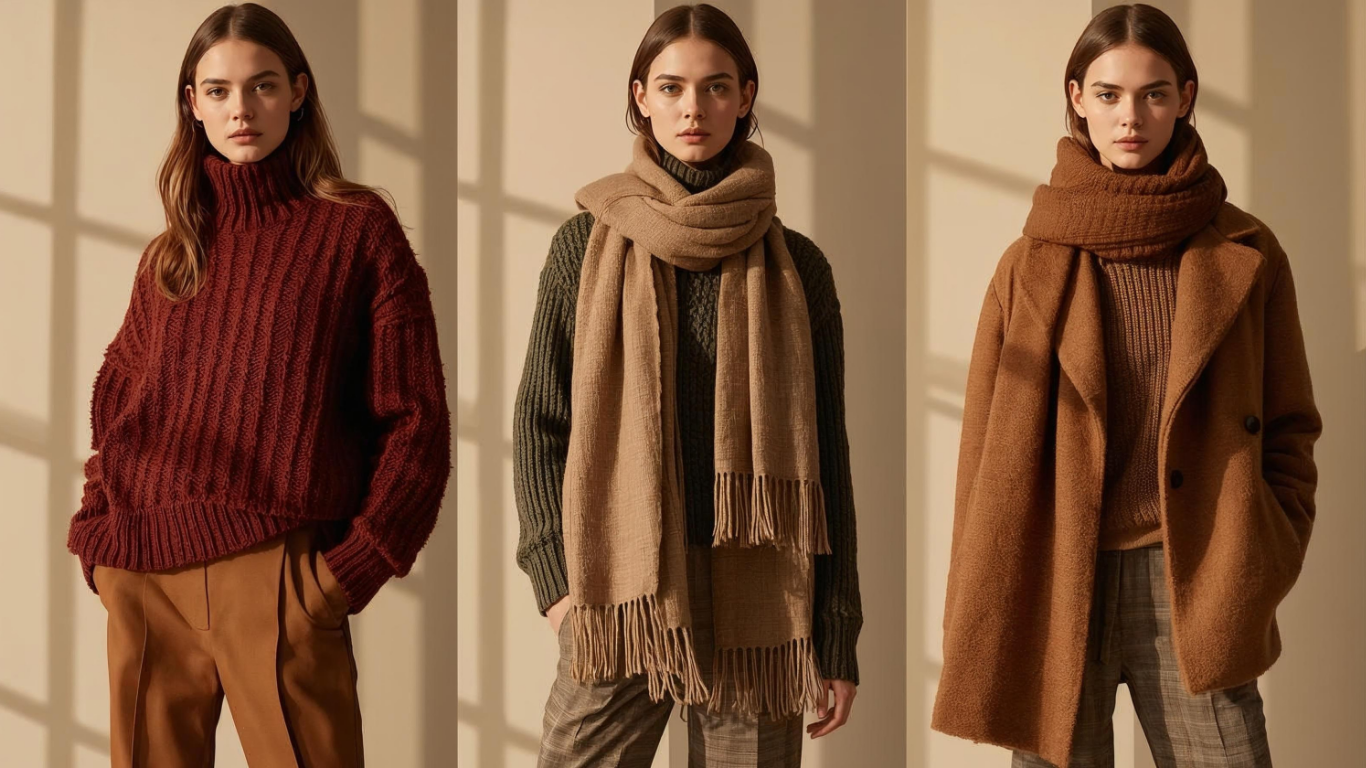
Every autumn, shoppers reach for sweaters, cardigans, and sweatshirts. Most of them judge a knit in seconds. They touch the fabric, check the fit, and tug at the cuff. That last move tells them more than any label.
A cuff that snaps back feels like quality. One that sags, twists, or ripples feels cheap, even when the body fabric is excellent. For knitwear manufacturers, the finishing details deserve as much attention as the yarn.
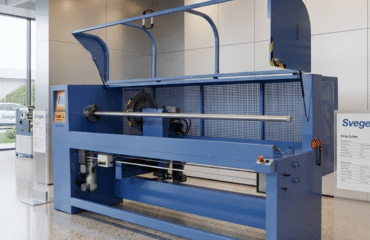
So how are rib cuffs and hems made in production? In short, factories start with tubular rib fabric and cut it into even bands on a collarette cutting machine. They then fold the bands, sew them to the sleeve or body, and finish them. The cleaner the first cut, the better the final garment looks and wears.
Key Takeaways
- Factories cut rib cuffs and hems from tubular rib fabric into bands of equal width.
- Even small differences in band width cause twisted cuffs and wavy hems.
- Uneven bands slow down sewing, raise reject rates, and waste fabric.
- The right level of cutting automation depends on volume, style changes, and staff.
Why the Cuff Makes or Breaks a Sweater
The cuff does a lot of work. It holds the sleeve in place, keeps warmth in, and frames the hand. The hem does the same job at the waist. Together, they give a sweater its shape.
Rib fabric stretches and recovers, which makes it comfortable to wear. Cutting it, however, is another story. Rib shifts under the blade, and even a small shift changes the band width. Cotton knits also relax and skew after knitting, an effect textile researchers call fabric spirality or torque. A band that is even slightly wider on one side will twist once it is sewn. Repeat that error across a winter order of thousands of sweaters, and a small flaw becomes a serious quality problem.
Moreover, today’s shoppers post reviews, and those reviews move sales. Research from Northwestern University’s Spiegel Research Center found that a product with five reviews is 270% more likely to be purchased than one with none. A single comment about a stretched-out cuff can hurt sales faster than any returns report. Brands know this, and they pass that pressure straight to their suppliers.
How Rib Cuffs and Hems Are Cut
Most knitwear factories follow the same basic process:
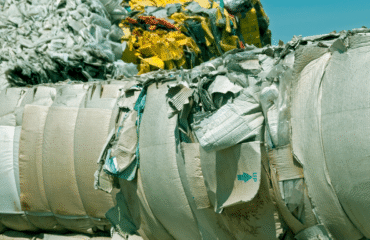
- Rib fabric is knitted in a continuous tube.
- An operator loads the tube onto a collarette cutter.
- The machine cuts the rotating tube into continuous bands at a set width.
- Sewing operators attach the bands to sleeves, bodies, or necklines.
The cutting step sounds simple. In practice, it decides whether the rest of the line runs smoothly or stalls.
The Hidden Cost of Uneven Bands
When bands vary in width, problems pile up quickly. Sewing operators slow down to ease uneven pieces into place. Finished cuffs pucker or roll. Quality control rejects more garments, and rework eats into already thin margins.
Hand cutting makes this worse. Scissors and rotary tools depend on the operator’s eye and energy, and both fade over a long shift. As a result, the first cuff of the day rarely matches the last.
Waste adds up too. A 2024 UC Santa Barbara study cites estimates that 10–15% of fabric is already discarded during cut-and-sew, and a study published by the U.S. National Institutes of Health puts the figure as high as 20%. Every off-width band that gets thrown away adds to that loss, and it is fabric the factory has already paid for. Over a full season, that loss can quietly erase the profit on an entire style.
Finding the Right Level of Automation
Once a factory sees these costs, the next question is how much automation it actually needs. The answer is rarely “as much as possible.”
Large plants that run the same basic tee for months often benefit from fully automatic lines. Many knitwear producers, though, work differently. They run medium volumes, change styles every few weeks, and bring in seasonal staff for the autumn rush. For them, a semi-automatic collarette cutter usually makes more sense.
With a semi-automatic setup, the machine handles the precision cutting, while the operator keeps control of loading and setup. Changeovers between band widths go faster, and the upfront investment stays lower. New operators also learn the process quickly, which matters when deadlines are tight.
Range matters as much as speed. A single machine should cover both slim cuffs on a fine merino sweater and deep hems on a heavy sweatshirt. Svegea of Sweden, which has built automatic collarette cutters for more than 70 years, offers semi-automatic models that cut bands from 16 to 140 mm and handle two bands at once as standard. That flexibility lets one cutter serve an entire autumn collection instead of a single style.
Quick Tips for Better Rib Bands This Season
- Relax the fabric first. Rib fabric fresh off the roll often holds tension, so let it settle before cutting to keep bands at their true width. Garment and textile manufacturing companies agree that relaxation is a key factor in a knit’s dimensional stability, and note that handling in the cutting room can cause further shrinkage.
- Match the band to the garment. Use narrower bands for fine-gauge knits and wider ones for heavy sweatshirts and outerwear.
- Check your knives daily. A dull blade drags rib fabric and leaves uneven edges.
- Test before you commit. Cut a short run, measure the bands, and adjust before you start the full order.
- Track your rejects. If cuff and hem defects keep rising, the cause often starts at the cutting table, not the sewing line.
Frequently Asked Questions
What is a collarette cutting machine? A collarette cutting machine cuts tubular knitted fabric into continuous bands of equal width. Factories use these bands for cuffs, hems, neckbands, and binding.
How are rib cuffs cut for sweaters? Factories cut rib cuffs from tubular rib fabric on a collarette cutter set to the required band width. Operators then fold the bands and sew them to the sleeves.
What is the difference between semi- and fully automatic collarette cutters? Semi-automatic cutters need more operator input during loading and setup, which suits medium volumes and frequent style changes. Fully automatic cutters need less manual work and suit high-volume production of the same styles.
Why do sweater cuffs twist after sewing? Twisted cuffs usually come from bands that vary in width or from fabric cut while still under tension. Relaxing the fabric and cutting with consistent equipment solves most cases.
Ready to Perfect Your Cuffs?
Sweater season rewards the details. If your team wants cleaner cuffs, steadier hems, and less waste, a short conversation can point you in the right direction. Contact Svegea of Sweden or email Hakan Steene at h.steene@svegea.se to book a product demo.