In 2026, fashion is moving away from “looking good” and toward “feeling good.” Experts at trend agencies like WGSN are calling this the era of “Feel Appeal.” For fashionistas, this means wardrobes full of 3D textures and colors that soothe the mind. For manufacturers, it presents a new challenge: how to produce these complex garments without slowing down their production line?
Understanding these trends today allows you to adjust your factory floor before the demand peaks. Here are the three major shifts coming in 2026.
1. The Rise of “Hyper-Haptic” Textures
Minimalism is changing. While “Quiet Luxury” was about smooth, flat fabrics, 2026 introduces Tactile Maximalism. Expect to see heavy bouclé, 3D knits, and fabrics with “puckered” or uneven surfaces. These materials engage the sense of touch.
Consequently, these textures are much harder to cut than standard cotton. Traditional blades can snag or tear these delicate surfaces. To handle these “Hyper-Haptic” fabrics, manufacturers need high-precision band knives and automated tension control. This ensures that the 3D structure of the fabric remains perfect from the roll to the final garment.
2. Modular Design and the Return of the Trim
Sustainability in 2026 focuses on longevity. Fashionistas want “Modular Garments”—clothes that they can change or repair. This includes detachable sleeves, adjustable waistbands, and layered pockets.
In addition, high-quality trims and bindings are becoming a central design feature. A simple shirt becomes a luxury item when it features a perfectly cut collarette or a contrast bias binding. For the manufacturer, this means the demand for specialized trimmings will skyrocket. Using an automated collarette cutter allows you to produce these complex details at high speed with zero errors.
3. Raw Authenticity and “Brut” Materials
The “natural” look is taking a bold turn. “Brut Denim”—which is unwashed, stiff, and raw—is a top trend for 2026. Alongside this, we see earthy pigments like “Transformative Teal” and “Cocoa Powder” dominating the runways.
Furthermore, consumers are looking for “honest” materials. They want to see the weave of the fabric and the quality of the stitch. When the fabric is this raw, there is nowhere to hide mistakes. Precision in every cut is vital. If a manufacturer uses outdated machinery, the raw edges of these heavy materials will fray, resulting in increased waste and lower quality.
How to Prepare Your Factory for 2026
The trends of 2026 require a “quality first” mindset. Manufacturers who invest in precision garment finishing will capture the luxury and technical markets. By upgrading to automated slitting and cutting systems, you can handle 3D textures and modular designs with ease.
Specifically, automation allows you to produce the “hand-crafted” look that fashionistas crave, but at an industrial scale. This balance of craft and technology is the secret to success in the coming year.
Let’s Design the Future Together
We understand that transitioning to new fabric trends can be difficult. Our team is here to help you choose the right machinery to stay ahead of the curve.
Contact Håkan Steene at h.steene@svegea.se or visit our Contact Us page to request a product demo. Let us show you how our Swedish-engineered solutions can make your 2026 collections a reality.
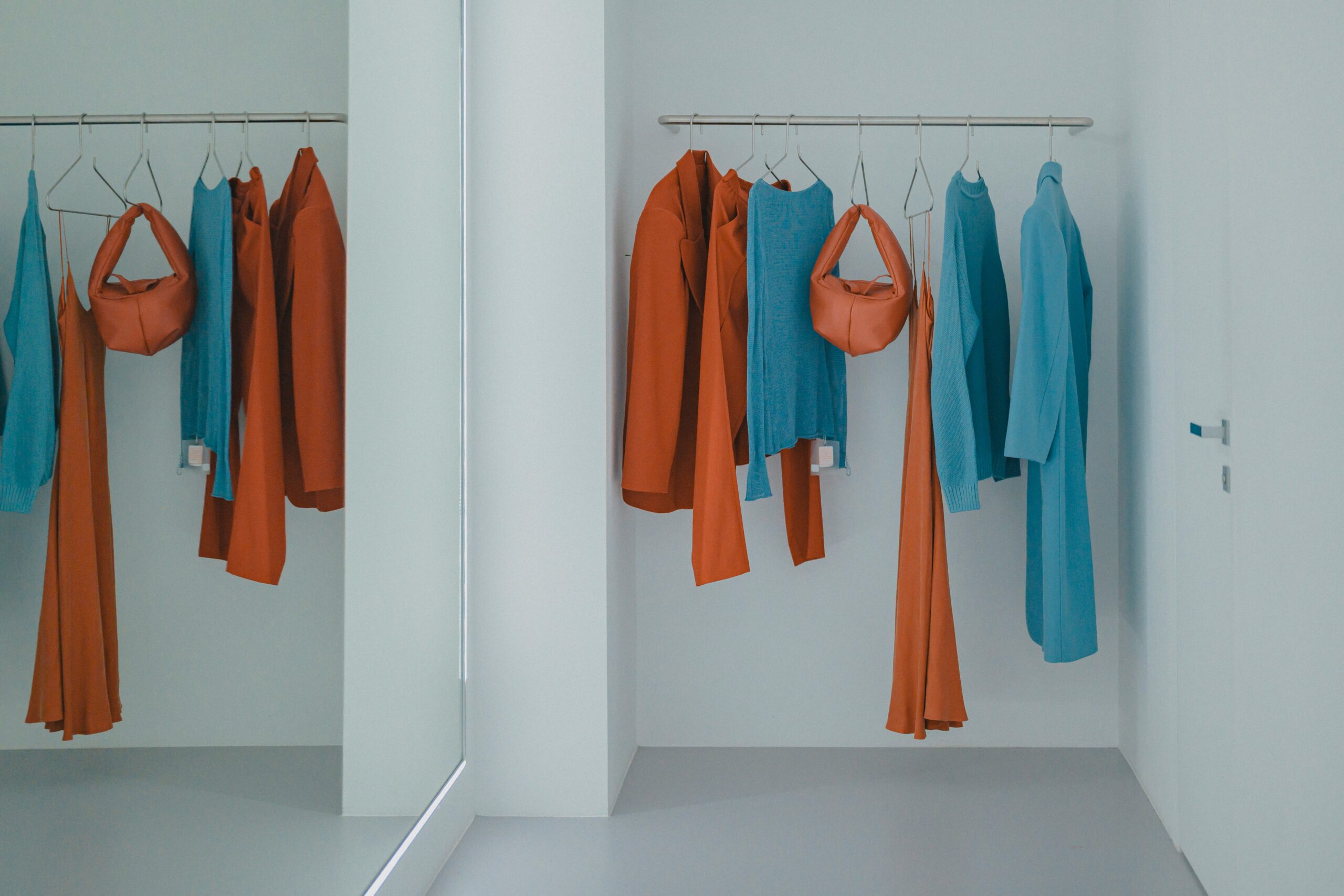
Photo by Egor Myznik on Unsplash