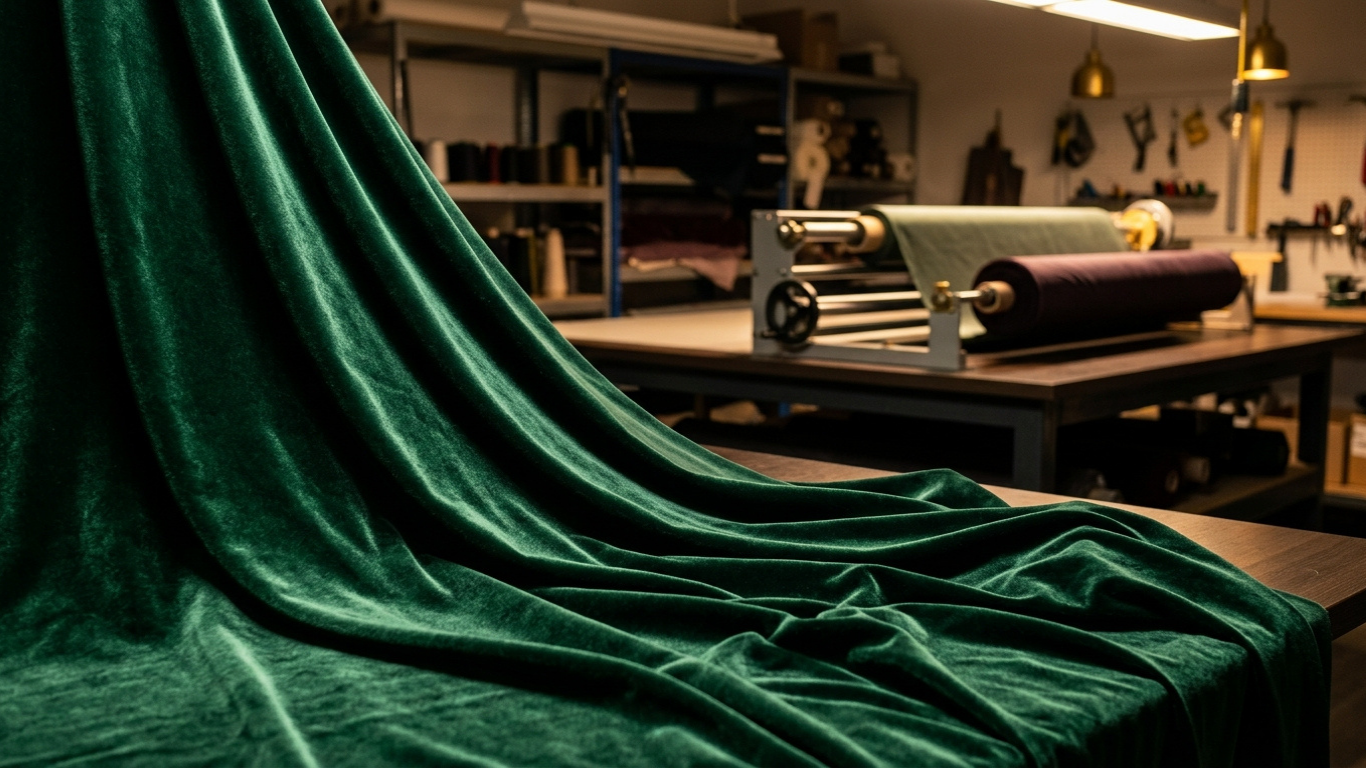
Walk into any store this December, and velvet will find you first. A plum party dress. An emerald blazer. Wide-leg trousers in deep chocolate brown. Velvet catches the light, feels like a small luxury, and makes even a simple outfit look ready for a celebration.
The runways saw it coming. Net-a-Porter’s fall/winter 2026 trend report named velvet the season’s key texture, with Alaïa, Khaite, and Ralph Lauren all showing tailored velvet looks. Meanwhile, Marie Claire spotted velvet trousers at Armani, Khaite, and Zimmermann.
For garment manufacturers, that popularity brings a real challenge. Velvet is gorgeous, but it is also one of the least forgiving fabrics on the factory floor.
So how do manufacturers handle velvet without crushing the pile? In short, they keep pressure, tension, and heat to a minimum at every stage. That means relaxing the fabric before cutting, inspecting every roll for flaws and shading, rewinding with little or no tension, and cutting every piece with the nap running the same way.
Key Takeaways
- Velvet leads the fall/winter 2026 and holiday collections, from party dresses to tailoring.
- Its pile flattens easily under pressure, heat, and moisture, and the damage can be permanent.
- The nap changes how velvet reflects light, so every piece must be cut in the same direction.
- Gentle relaxing, careful inspection, and tension-free rewinding protect velvet from roll to cut.
Why is velvet so difficult to manufacture?
Velvet gets its softness from a dense pile of tiny upright fibers. That pile gives velvet its glow. Unfortunately, it also makes the fabric fragile. According to Textile School, pressure, heat, and moisture can permanently flatten the pile. A tight roll, a heavy stack, or a careless press can leave marks that no amount of steaming will fix.
Then there’s the nap. The pile leans slightly in one direction, so the same fabric can look lighter or darker depending on how light hits it. Threads Magazine explains that velvet looks darker and absorbs light with the nap up, and looks lighter with the nap brushed down. Cut one sleeve the wrong way, and it can look as if it came from a different bolt.
Where does velvet get damaged in production?
Most problems start long before the sewing line. Here are the usual suspects:
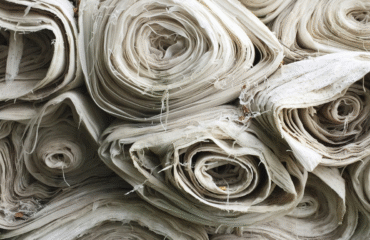
- Tight winding. Rolls wound under heavy tension press the pile flat, especially near the core.
- Stored tension. Stretch velvet holds tension from knitting, dyeing, and winding, so cut panels can shrink later.
- Hidden flaws. Crush marks, bald spots, and shade differences are easy to miss until the garment is finished.
- Mixed nap. Pieces cut in different directions create visible color differences on the same garment.
Consequently, the best protection is a gentle, consistent process from the moment a roll arrives to the moment it reaches the cutting table.
How can factories protect velvet from roll to cut?
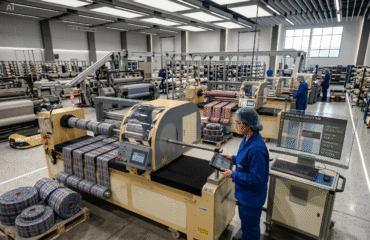
Relax it first. Stretch velvets need time to settle before spreading. Air-assisted relaxing machines, such as Svegea’s CRX Air, float the fabric on a cushion of air to release tension without pressing the surface.
Inspect every roll. A fabric inspection machine helps your team spot crush marks, shading, and pile defects before cutting begins, when they still cost the least to fix.
Rewind gently. When velvet needs rewinding, tension control matters. A tension-free rewinder like the W 2100S helps keep the pile upright from the outer layers right down to the core.
Cut with the nap. Mark the nap direction on the reverse side, and lay every pattern piece the same way. This layout uses more fabric, but it protects the finished look.
Finally, store rolls with care. Avoid stacking heavy rolls on top of velvet, and keep the storage area cool and dry.
Why does this matter for holiday orders?
Holiday collections run on tight deadlines. Brands want velvet dresses and blazers on the shelves by late November, and there is little time to remake rejected pieces. A crushed panel or a mismatched sleeve doesn’t just waste fabric. It can delay an entire delivery.
On the other hand, factories that handle velvet well become partners that brands trust. And when a buyer finds a supplier that delivers flawless velvet season after season, that buyer tends to come back.
Make This Velvet Season Your Best Yet
Velvet rewards patience and precision. Give it a gentle process, and it will give your customers that unmistakable glow. To find the right relaxing, inspection, or rewinding machine for your production, contact Svegea of Sweden or email Hakan Steene at h.steene@svegea.se to book a product demo.
Frequently Asked Questions
What is the nap of velvet?
The nap is the direction the pile leans. It changes how the fabric reflects light, so manufacturers cut all pieces of a garment in the same direction.
Can crushed velvet pile be restored?
Light marks may lift with gentle steam from the wrong side. However, heavy or long-term pressure can flatten the pile permanently.
Why does stretch velvet shrink after cutting?
It holds tension from knitting, dyeing, and winding. Relaxing the fabric before cutting lets it return to its natural dimensions.