The Silent Language of Textiles
TL;DR: Touch is the first sense you ever develop, and fabric never stops talking to it. Long after you’ve stopped noticing color or cut, texture is still quietly running the show, calming a classroom, steadying a hospital ward, convincing a hotel guest they’ve arrived somewhere special. The science backs this up. So does the machinery that keeps a fabric’s feel consistent, batch after batch.
Touch Talks First, and It Never Really Stops
Run your hand across cashmere, then linen, then a coarse wool blanket. You don’t need a vocabulary lesson to know how each one makes you feel. Your body reacts before your brain finishes the sentence.
That’s not a coincidence. It’s a nine-month head start.
Touch is the first sense to develop in the womb, arriving around the eighth week of gestation, well before sight, hearing, or the ability to have an opinion about anything. Sensory receptors wake up first around the mouth and nose, then spread across the rest of the body over the following weeks. By the time a baby takes its first breath, touch already has months of practice logged. Fabric just keeps that conversation going.
Why Texture Beats Color to the Punch
Marketing teams love a good color story, and fair enough, color is loud and photogenic. But texture works in a quieter room: your nervous system, which reacts before your conscious mind gets a vote.
A 2024 study in PLOS ONE measured how tactile sensitivity shapes the way people rate fabric texture, confirming what mills have long suspected by feel alone: touch perception can be measured and predicted, not just guessed at.
Research published in the Spanish Journal of Marketing pushed the point further. After interviewing industry experts, the authors found that of the four qualities people notice by touch- texture, weight, temperature, and hardness- texture dominates how a product gets judged in someone’s hands. Shoppers decide with their fingertips. Their brains just write the caption afterward.
Where This Actually Plays Out
Picture a classroom in soft, breathable uniforms. Kids fidget less and focus more, because nothing scratchy is competing for their attention. Picture a hospital bed dressed in gentle linens instead of stiff, clinical ones. Shoulders drop a little faster. Picture a five-star hotel robe with real weight to it, sheets with a thread count you can feel before anyone announces the number. The room has already made its case before a single staff member says a word.
None of that happens by accident. It happens because someone understood that texture does emotional work whether a brand plans for it or not.
A World Woven in Texture
Travel far enough and texture starts speaking in dialects. Silk carries centuries of ceremony in Japan. Kente cloth, hand-woven in raised patterns across West Africa, tells stories of heritage and status that a photo alone can’t capture. Dense wool in Scandinavia is less a style choice than a survival strategy that eventually became culture, resilience spun into every fiber to get through a brutal winter.
These aren’t just materials. They’re identities, worn on the body and handed down.
The Blind Spot Nobody’s Solved Yet
E-commerce cracked color, cracked fit charts, mostly cracked video. It has not cracked touch. Researchers testing simulated haptic feedback in online apparel shopping found that screens still can’t replicate the confidence a customer gets from actually handling a fabric. Until touchscreens catch up, the only honest way to sell texture online is to describe it relentlessly: fiber content, weight, weave, finish, and photography that doesn’t oversell the hand-feel it can’t actually deliver.
The Unglamorous Part Nobody Photographs
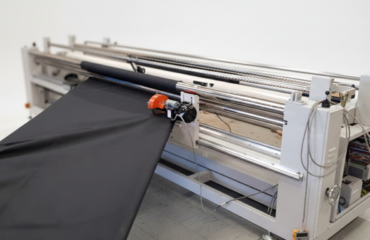
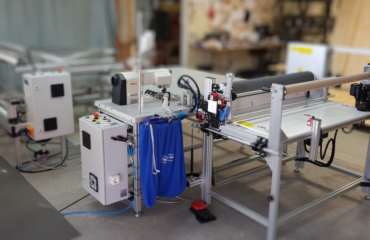
Here’s the part that never makes the mood board: none of the feelings above survive an inconsistent production line. A designer can imagine the perfect hand-feel for a fabric, but if the machinery behind it drifts from batch to batch, that feeling never reaches the person wearing it.
That’s the role Svegea of Sweden plays, and it’s a deliberately unglamorous one. We don’t design the emotional experience of a textile; the manufacturers do that. What precision engineering does is make sure the texture a designer imagined is the texture that actually ships, consistently, so mills can spend their energy on the parts that require imagination instead of fighting variance on the floor.
The Actual Point
Stop designing only for how a fabric photographs. Start designing for how it will feel against skin, in the middle of an ordinary Tuesday, when nobody’s paying attention and the fabric is doing its job anyway. Texture is already telling a story. The only real choice is whether you’re the one writing it.
To talk through what consistent, imagination-ready production could look like for your line, reach out to Håkan Steene directly at h.steene@svegea.se, or visit www.svegea.se.