
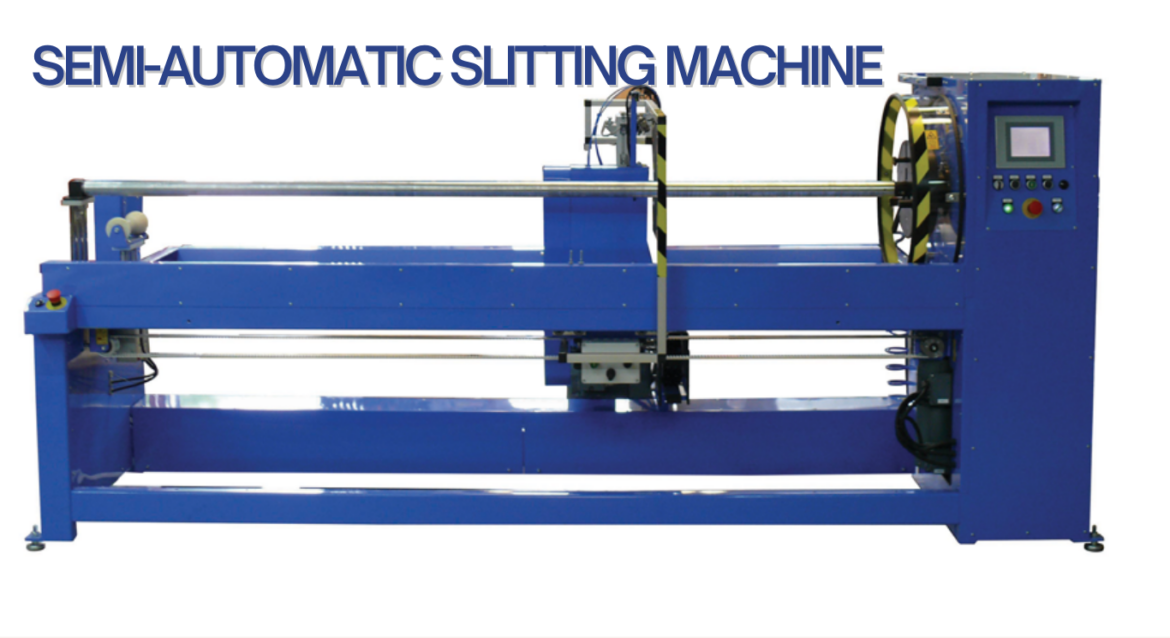
In today’s fast-evolving manufacturing landscape, innovation isn’t a luxury—it’s a necessity. As textile producers face increasing pressure to boost productivity, cut costs, and maintain precision, one solution is proving itself indispensable: semi-automatic textile machines. These smart, efficient systems are revolutionizing how factories operate—bridging the gap between manual control and full automation.
Let’s dive into how semi-automatic machinery is transforming textile production lines around the world, and why forward-thinking manufacturers are weaving it into the fabric of their future.
The Rise of Smart Manufacturing in Textiles
Over the last decade, the textile and garment industry has undergone a significant technological shift. From digitized workflows to AI-enhanced design, the entire supply chain is changing shape—and fast. Semi-automatic textile machines represent a pivotal step in this evolution.
They offer the best of both worlds: human control and machine precision. Operators maintain oversight, while machines handle repetitive tasks with consistent accuracy. The result? Fewer errors, faster output, and less downtime.
Why “Semi-Automatic” Is the Sweet Spot
You might be wondering—why not go fully automatic? While full automation certainly has its place in large-scale operations, semi-automatic systems often prove more practical and cost-effective for small to mid-sized manufacturers.
Here’s why:
- Flexibility: Semi-automatic machines adapt quickly to different fabric types, roll sizes, or production goals without requiring complex reprogramming.
- Cost Efficiency: They’re more affordable than fully automated systems—both in upfront investment and maintenance.
- Precision and Control: Operators can intervene when needed, minimizing mistakes and maximizing material utilization.
When integrated strategically, these machines deliver a near-instant upgrade to any production line.
Real-World Impact: Boosting Output Without Compromising Quality
Let’s talk numbers. In many cases, textile producers using semi-automatic slitting or cutting machines have reported:
- Up to 40% increase in production efficiency
- 25% reduction in material waste
- Significantly lower labor fatigue and error rates
This is especially critical when working with high-value or delicate fabrics, where precision isn’t optional—it’s everything.
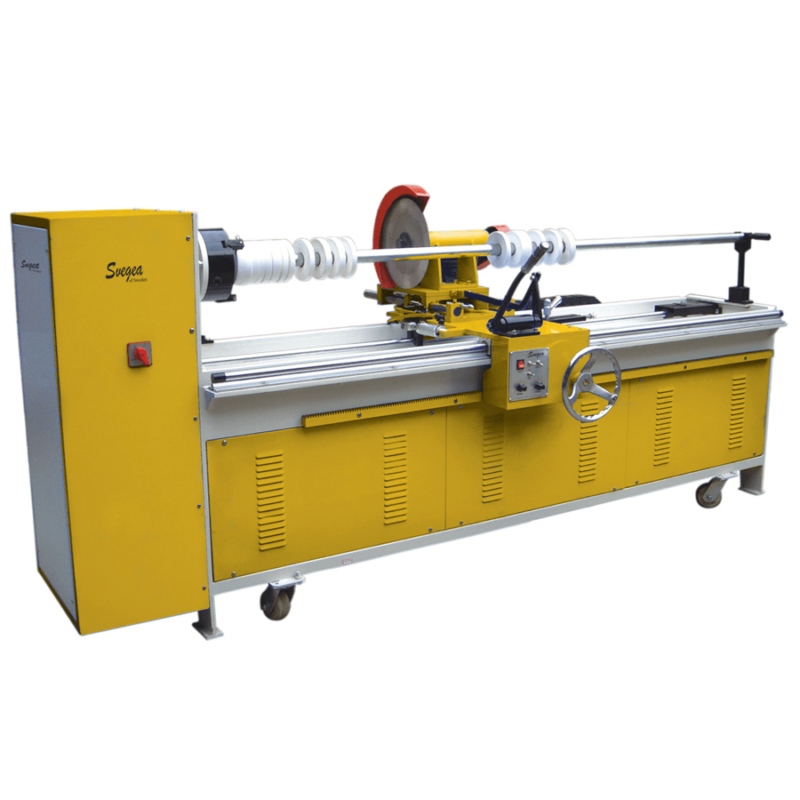
Svegea, a trusted innovator in textile machinery, has been at the forefront of this shift. Their range of semi-automatic textile machines offers cutting-edge features that balance performance with user-friendly operation. Whether you’re slitting rolls, trimming edges, or cutting fabric panels, Svegea’s equipment ensures precision without the steep learning curve.
Key Benefits for Manufacturers
Still wondering if it’s the right move for your operation? Here are five compelling benefits of semi-automatic textile machines you can’t ignore:
1. Increased Throughput
By automating repetitive motions while keeping decision-making in human hands, these machines dramatically speed up production without sacrificing quality.
2. Reduced Operational Downtime
Thanks to straightforward interfaces and intuitive controls, troubleshooting and adjustments can be made quickly, keeping your lines running smoothly.
3. Better Resource Management
Semi-automatic systems optimize how material is handled and processed, leading to lower waste and higher yield.
4. Enhanced Product Consistency
Uniform cutting, slitting, and trimming mean fewer reworks and returns.
5. Safer Work Environment
These machines eliminate many of the risks associated with manual cutting tools, creating a safer space for your workforce.
Meet the Machines Making It Happen
Svegea’s lineup of semi-automatic machines includes slitting systems, band knife machines, and edge trimmers—all engineered for ease of use and long-term reliability. Designed and manufactured in Sweden, these machines combine high-performance mechanics with modern design standards.
Each model is created with specific applications in mind, including:
- Roll-to-roll precision slitting
- Multilayer fabric processing
- Durable textile cutting with minimal fabric distortion
Whether you’re producing garments, upholstery, technical fabrics, or industrial textiles, Svegea offers purpose-built equipment to meet your unique needs.
What Industry Leaders Are Saying
Manufacturers across Europe and Asia who’ve adopted Svegea’s semi-automatic machines are seeing tangible improvements not just in throughput, but in staff satisfaction and operational control.
“We upgraded to a Svegea roll slitting machine last year, and the difference was immediate,” one production manager shared. “The machine paid for itself in less than six months through time saved and reduced waste.”
These are results that any manufacturer can get behind.
Future-Proofing Your Production Line
With labor shortages, rising material costs, and fluctuating market demands, investing in adaptable machinery is more critical than ever. Semi-automatic systems give you the edge today, while preparing your facility for the continued rise of smart manufacturing.
They also allow for easier integration with upstream and downstream processes, including material handling systems, labeling, and packaging, streamlining your entire workflow.
Ready to Step Up?
If you’re ready to enhance efficiency without losing control, Svegea’s semi-automatic textile machines could be your perfect fit. Designed for manufacturers who need to move fast, stay lean, and deliver quality with every yard, Svegea solutions are here to keep your production future-ready.
📩 Contact Håkan Steene today at h.steene@svegea.se to learn more, get product specs, or schedule a live demo.
You can also explore the range online here: https://svegea.se/product-category/roll-slitting-machines/semi-automatic-roll-slitting-machines/
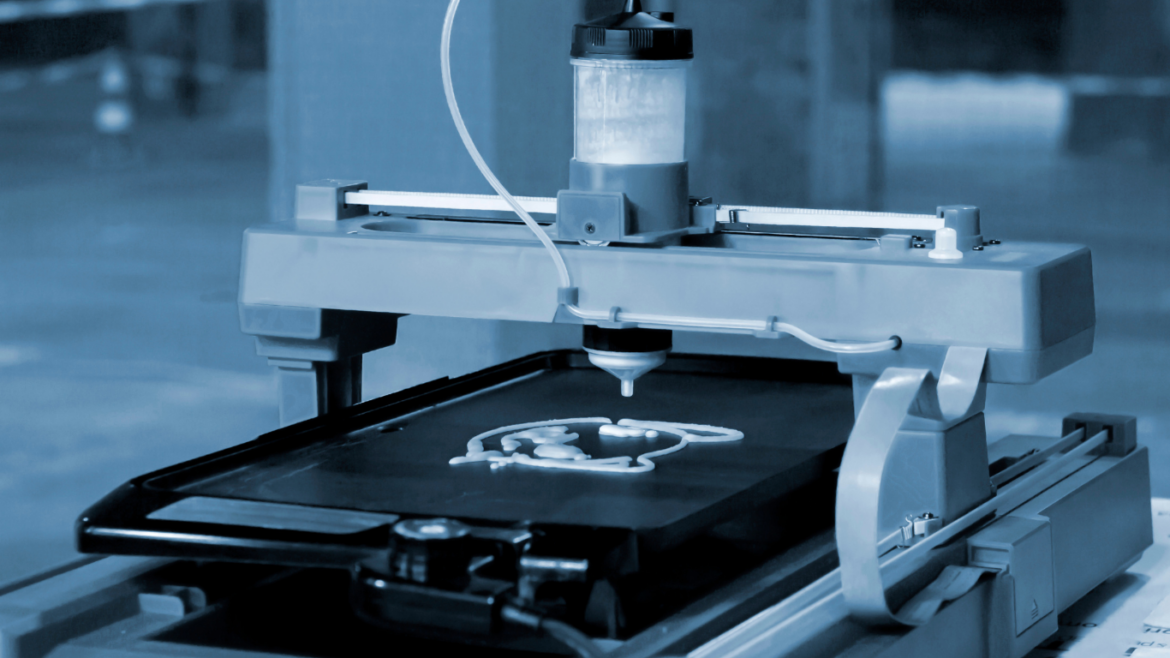
As we step into 2025, the textile manufacturing industry is poised for significant transformations. Driven by technological advancements and evolving consumer demands, the industry is embracing new trends that promise to reshape the landscape. This blog explores the key textile trends for 2025, highlighting how innovative solutions are leading the charge.
Sustainability Takes Center Stage
Sustainability continues to be a dominant trend in textile manufacturing. Consumers are increasingly demanding eco-friendly products, pushing manufacturers to adopt sustainable practices. In 2025, we will see a rise in the use of organic and recycled materials, such as organic cotton, bamboo, and Tencel. These materials are not only environmentally friendly but also offer superior quality and comfort.
Moreover, manufacturers are focusing on reducing their carbon footprint by optimizing production processes and minimizing waste. Advanced textile machinery, such as cutting-edge collarette cutting systems, exemplifies this commitment to sustainability. These systems reduce fabric waste and enhance production efficiency, aligning with the industry’s green goals.
The Rise of Smart Textiles
Smart textiles are revolutionizing the industry by integrating advanced technology into fabrics. These textiles can monitor health, regulate temperature, and even change color based on environmental conditions. In 2025, we expect to see more widespread adoption of smart textiles in various applications, from fashion to healthcare.
Innovative solutions are at the forefront of this trend. Automated systems, like advanced roll-cutting/slitting machines, incorporate cutting-edge technology to enhance precision and efficiency. These advancements not only improve product quality but also open new possibilities for smart textile applications.
Digital Printing Innovations
Digital printing is transforming textile design by allowing for greater creativity and customization. Traditional printing methods are being replaced by digital techniques that enable intricate designs and vibrant colors. This trend is expected to grow in 2025, with more manufacturers adopting digital printing to meet consumer demands for unique and personalized products.
Precise cutting capabilities, offered by advanced strip cutters, ensure that digitally printed fabrics are handled with the utmost care and accuracy. These innovations are integral to maintaining the quality and appeal of digitally printed textiles.
Advanced Apparel Manufacturing
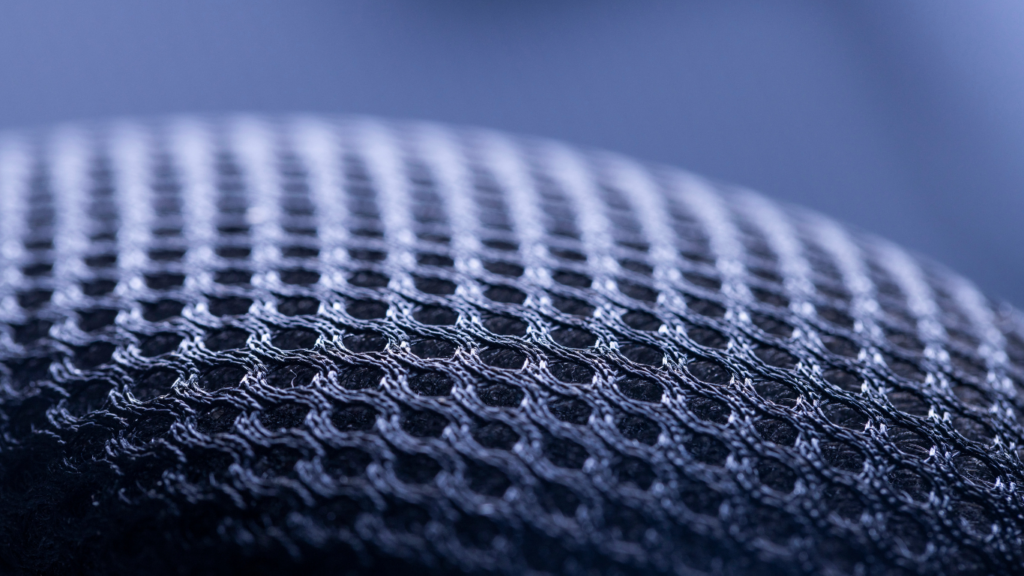
The apparel manufacturing sector is experiencing a shift towards automation and advanced technologies. In 2025, we will see increased use of AI and robotics to streamline production processes and reduce labor costs. These technologies enhance efficiency, improve product quality, and enable manufacturers to respond quickly to market changes.
Automated sewing units simplify the production of bias binding, reducing the need for manual intervention and increasing overall productivity. By leveraging such advanced machinery, manufacturers can stay competitive in a rapidly evolving market.
Customization and Personalization
Consumers are seeking more personalized products, driving the trend toward customization in textile manufacturing. In 2025, manufacturers will leverage AI and data analytics to offer tailored solutions that meet individual preferences. This trend is particularly evident in the fashion industry, where personalized clothing and accessories are becoming increasingly popular.
Innovative textile machinery can be tailored to meet specific production needs, ensuring that manufacturers can deliver unique products that resonate with their customers.
Sustainable Supply Chains
Sustainability extends beyond materials and production processes to encompass the entire supply chain. In 2025, we will see a greater emphasis on creating sustainable supply chains that minimize environmental impact and promote ethical practices. This includes sourcing raw materials responsibly, reducing transportation emissions, and ensuring fair labor practices.
Innovative solutions help manufacturers optimize their supply chains, reducing waste and improving efficiency. By adopting these advanced technologies, companies can enhance their sustainability efforts and meet the growing demand for eco-friendly products.
3D Technologies
3D technologies are making waves in textile manufacturing by enabling the creation of complex designs and prototypes. In 2025, we will see more manufacturers adopting 3D printing and other advanced techniques to push the boundaries of textile design. These technologies allow for greater experimentation and innovation, resulting in unique and high-quality products.
Cutting-edge machinery supports the integration of 3D technologies into textile production. These machines precisely cut and slit 3D-printed fabrics, handling them with care and accuracy.
Immersive Fashion
Immersive fashion is an emerging trend that combines technology and design to create interactive and engaging experiences. In 2025, we will see more brands exploring immersive fashion through augmented reality (AR) and virtual reality (VR) technologies. These innovations allow consumers to visualize and interact with products in new and exciting ways.
Advanced textile machinery supports the production of immersive fashion by enabling precise and efficient manufacturing processes. These innovations ensure that manufacturers can stay ahead of the curve and deliver cutting-edge products to their customers.
A Transformative Era
The textile manufacturing industry is on the cusp of a transformative era, driven by technological advancements and changing consumer demands. Trends such as sustainability, smart textiles, digital printing, and advanced manufacturing are reshaping the landscape, offering new opportunities for innovation and growth.
Innovative textile machinery is setting new standards in the industry. As we move into 2025, manufacturers must embrace these trends to stay competitive and meet the evolving needs of their customers.
For more information on how advanced solutions can help your business thrive, contact Håkan Steene at h.steene@svegea.se today!
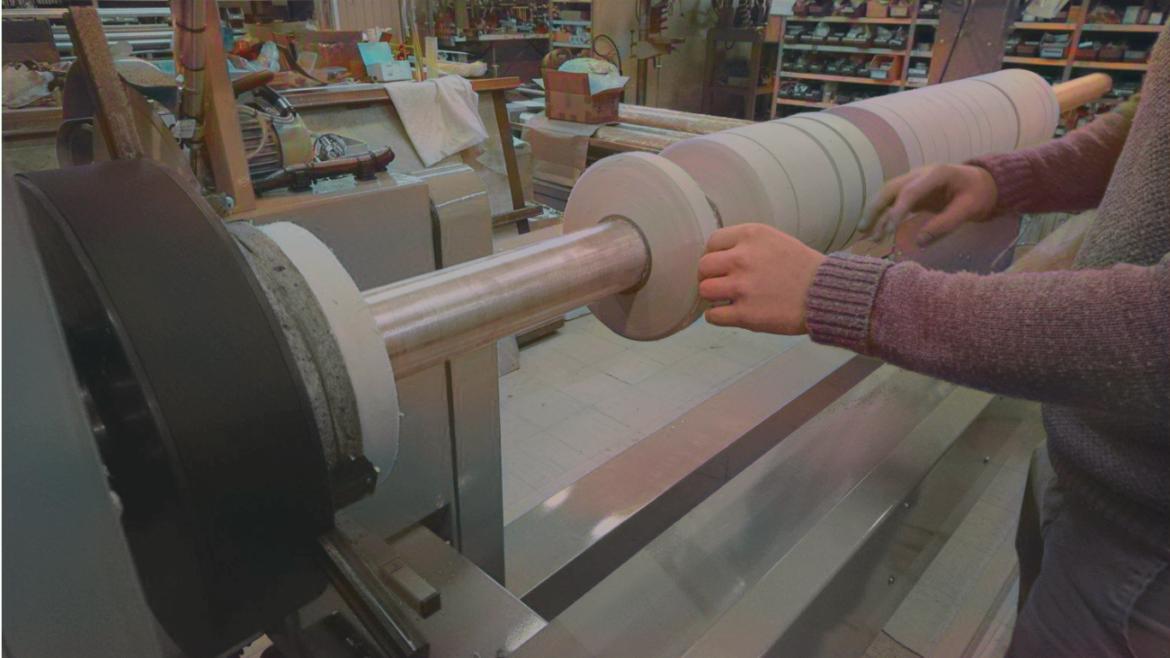
In the ever-evolving world of textiles, innovation is key to staying ahead. Textile companies that embrace cutting-edge technologies and sustainable practices are leading the way in textile-cutting solutions. Here are ten reasons why these innovative textile companies are at the forefront of the industry.
1. Advanced Cutting Technologies
Innovative textile companies invest in the latest cutting technologies, such as laser cutting and ultrasonic cutting. These methods offer precision and efficiency, reducing waste and improving the quality of the final product. Laser cutting, for example, allows for intricate designs and clean edges, which are essential for high-quality textiles.
2. Automation and Robotics
Automation and robotics have revolutionized the textile industry. Automated cutting machines can work around the clock, increasing productivity and reducing labor costs. Robotics also ensure consistent quality and precision, which is crucial for maintaining high standards in textile production.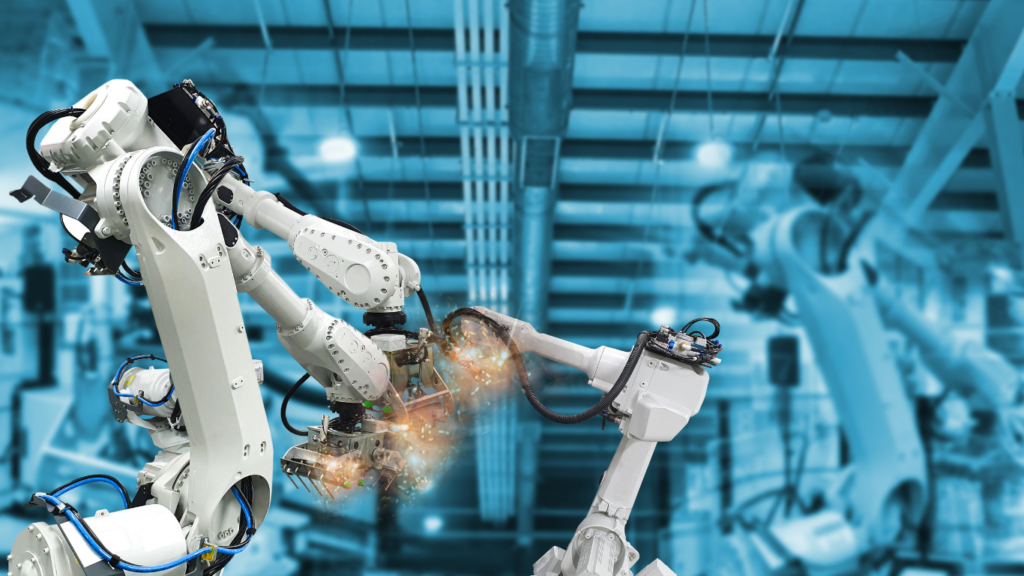
3. Sustainable Practices
Sustainability is a major focus for leading textile companies. They adopt eco-friendly cutting methods that minimize waste and reduce energy consumption. For instance, waterjet cutting uses a high-pressure stream of water to cut textiles, which is both efficient and environmentally friendly.
4. Customization and Flexibility
Innovative textile companies offer customization options to meet the specific needs of their clients. Advanced cutting technologies enable these companies to produce bespoke designs and tailor-made solutions. This flexibility is a significant advantage in a competitive market.
5. Integration of Smart Technologies
The integration of smart technologies, such as IoT and AI, has transformed textile cutting solutions. These technologies enable real-time monitoring and optimization of the cutting process, leading to increased efficiency and reduced downtime. Smart sensors can detect and correct errors, ensuring high-quality output.
6. High-Speed Cutting
Speed is a critical factor in textile production. Leading textile companies use high-speed cutting machines that can handle large volumes of fabric quickly and accurately. This capability is essential for meeting tight deadlines and maintaining a competitive edge.
7. Precision and Accuracy
Precision and accuracy are paramount in textile cutting. Innovative companies use advanced software and cutting tools to achieve precise cuts, reducing material waste and ensuring consistent quality. This attention to detail is what sets them apart from the competition.
8. Cost-Effective Solutions
By adopting advanced cutting technologies and automation, textile companies can reduce production costs. These cost savings can be passed on to customers, making high-quality textiles more affordable. Additionally, efficient cutting processes minimize waste, further reducing costs.
9. Enhanced Safety Measures
Safety is a top priority for leading textile companies. They implement advanced safety features in their cutting machines to protect workers and prevent accidents. For example, laser cutting machines are equipped with safety sensors that automatically shut down the machine if a hazard is detected.
10. Continuous Innovation
The most successful textile companies are those that continuously innovate. They invest in research and development to stay ahead of industry trends and adopt new technologies. This commitment to innovation ensures they remain leaders in textile-cutting solutions.
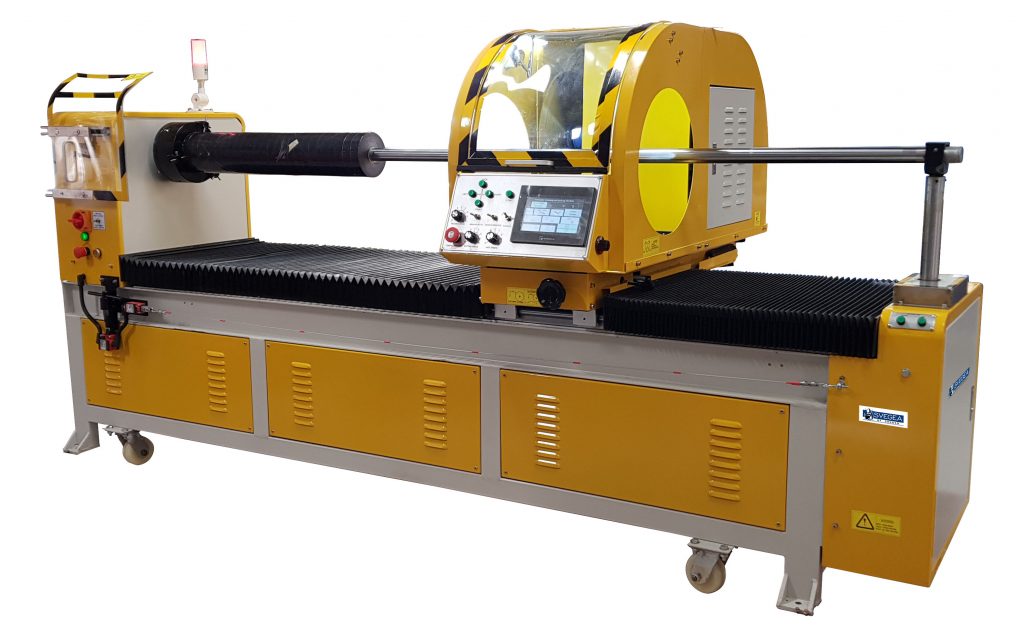
One such example of continuous innovation is the Svegea CMS 1800A2 Strip Cutter. This versatile machine is renowned for its precision in cutting various types of fabrics into strips, making it ideal for producing bias binding, piping, and other narrow fabric applications. The CMS 1800A2 Strip Cutter exemplifies the advanced cutting technologies and efficiency that set leading textile companies apart.
Innovation At Its Finest
Innovative textile companies are leading the way in textile-cutting solutions by embracing advanced technologies, sustainable practices, and continuous innovation. These companies set the standard for quality, efficiency, and customization in the textile industry. If you’re looking for cutting-edge textile solutions, consider exploring the products offered by Svegea of Sweden. Visit our product page to learn more about our innovative textile-cutting solutions.
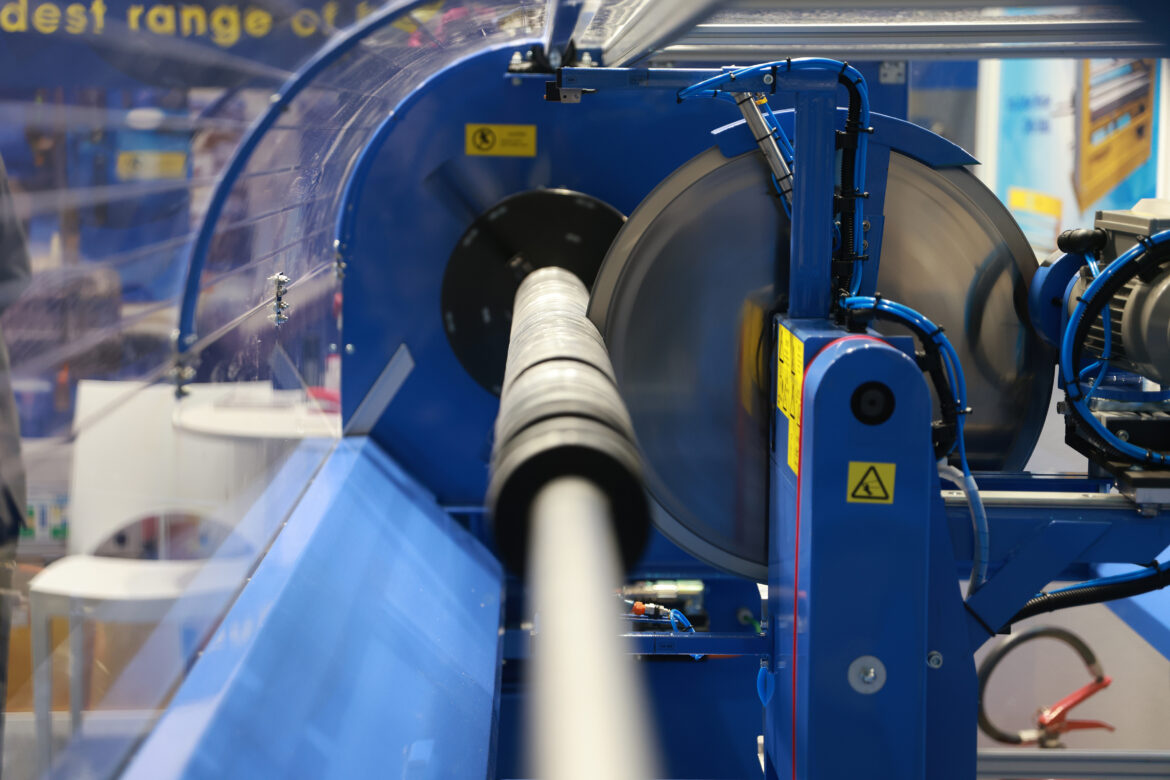
The textile industry is no stranger to innovation. From early mechanization to today’s cutting-edge technologies, it has continually evolved to meet growing demands. In this era, automated textile machines are leading the charge with their state-of-the-art efficiency.
The Role of Automated Textile Machines
Automation has become a cornerstone of modern textile manufacturing, enabling greater precision and efficiency. Svegea’s automated systems, such as the Fully Automatic Roll Slitting Machine, exemplify how technology can optimize production while maintaining exceptional quality.
Efficiency at Its Core
Automated machines offer unmatched speed and precision. Svegea’s Roll Slitting Machine, for instance, transforms raw materials into finished rolls with minimal waste and maximum consistency. This efficiency helps manufacturers meet tight deadlines without compromising quality.
A Safer Workplace
Safety is critical in any manufacturing environment. Svegea incorporates advanced safety features into its machines, protecting operators and reducing risks. Intuitive controls and built-in safeguards ensure smooth, secure operations while minimizing downtime caused by accidents.
Automation: Transforming the Textile Landscape
1. Faster Production
Automation significantly accelerates production cycles. Machines like Svegea’s are designed to handle large volumes quickly and reliably, helping manufacturers keep pace with market demands.
2. Improved Quality
Automated systems incorporate sensors and monitoring technologies to ensure uniform results. Svegea’s machines deliver consistent, defect-free products, enhancing customer satisfaction and reducing rework.
3. Cost Efficiency
Although automation requires an initial investment, it reduces long-term expenses. Lower labor costs, minimized errors, and reduced material waste translate to significant savings for manufacturers.
4. Flexibility
Modern textile machines are highly adaptable. Svegea’s equipment can be tailored to produce various materials, enabling manufacturers to meet diverse client needs in a competitive market.
The Future of Textile Automation
1. Integration with IoT and AI
As the industry embraces smart manufacturing, technologies like the Internet of Things (IoT) and Artificial Intelligence (AI) will play a pivotal role. IoT-enabled devices can optimize workflows, while AI-driven analytics can predict maintenance needs, enhancing efficiency. Svegea is exploring these innovations to further enhance its product offerings.
2. Sustainability in Focus
Automated machines contribute to greener production by reducing energy use and waste. Svegea is committed to designing sustainable solutions that help manufacturers minimize their environmental impact.
3. Robotics and Advanced Automation
Robotic systems are increasingly performing complex tasks with remarkable accuracy. Svegea integrates robotics into its machines, pushing the boundaries of what textile automation can achieve.
Redefining Textile Automation
Automation is redefining textile manufacturing, driving efficiency, safety, and sustainability. Svegea’s innovative solutions empower manufacturers to stay ahead in an ever-evolving industry. As technology advances, Svegea remains dedicated to shaping the future of textile production.
For more information about Svegea’s solutions, reach out to us at info@svegea.se.
In today’s world, sustainability is more than just a buzzword; it’s necessary. The textile industry, known for its significant environmental impact, is transforming greener practices. Central to this shift is the adoption of sustainable textile production methods. The importance of using the right equipment lies at the heart of these methods. This blog will explore how advanced machinery contributes to a greener future and why choosing the right equipment is crucial for sustainable textile production.
The Environmental Impact of Textile Production
Textile production is one of the most resource-intensive industries globally. It involves the extensive use of water, energy, and chemicals, leading to significant environmental pollution. Traditional textile manufacturing processes often result in high levels of waste and emissions, contributing to water and air pollution. However, with the right equipment, these negative impacts can be significantly reduced.
Advanced Machinery: The Key to Sustainable Textile Production
Modern textile machinery is designed with sustainability in mind. These machines are more efficient, consume less energy, and produce less waste. For instance, advanced dyeing machines use less water and chemicals, reducing the environmental footprint of the dyeing process. Similarly, automated cutting machines minimize fabric waste, ensuring that every piece of material is utilized effectively.
One of the leading companies in this field is Svegea of Sweden. Their innovative machines are at the forefront of sustainable textile production. By integrating advanced technology and sustainable practices, Svegea’s equipment helps manufacturers reduce their environmental impact while maintaining high production standards. For more information on sustainable textile and leather production standards, you can visit the OEKO-TEX® STeP certification page.
Benefits of Using Sustainable Textile Machinery
1. Reduced Energy Consumption: Modern textile machines are designed to be energy-efficient. They use advanced technologies such as variable frequency drives and energy recovery systems to minimize energy usage. This not only reduces the carbon footprint but also lowers operational costs.
2. Water Conservation: Traditional textile production processes are notorious for their high water consumption. Advanced machines, however, use water more efficiently. For example, modern dyeing machines can recycle water, significantly reducing the amount needed for each cycle.
3. Minimized Chemical Use: Sustainable textile machinery is designed to use fewer chemicals. This is achieved through precise control systems that ensure optimal use of dyes and other chemicals, reducing waste and environmental contamination.
4. Waste Reduction: Automated cutting and sewing machines are programmed to maximize fabric usage, reducing waste. This not only conserves resources but also lowers disposal costs.
5. Improved Product Quality: Sustainable machines often produce higher-quality textiles. This is because they operate with greater precision and consistency, leading to fewer defects and higher overall product quality.
The Future of Textile Production
The future of textile production lies in sustainability. As consumers become more environmentally conscious, the demand for sustainably produced textiles will continue to grow. Manufacturers who invest in the right equipment will be better positioned to meet this demand and stay competitive in the market.
Moreover, regulatory pressures are increasing, with governments around the world implementing stricter environmental standards. By adopting sustainable textile production practices now, manufacturers can stay ahead of these regulations and avoid potential penalties. For a deeper dive into sustainable textiles, you can read this blog post on eco-friendly fabric production.
Starting with the Right Equipment
Sustainable textile production starts with the right equipment. Advanced machinery not only reduces the environmental impact of textile manufacturing but also offers numerous benefits such as lower energy consumption, water conservation, minimized chemical use, waste reduction, and improved product quality. Companies like Svegea of Sweden are leading the way with their innovative and sustainable machines.
At Svegea of Sweden, we pride ourselves on leading the way in sustainable textile production. Our machines are designed to be both efficient and environmentally friendly. For instance, our automatic collarette cutting machines are renowned for their precision and minimal waste production. By investing in such advanced equipment, we help textile manufacturers significantly reduce their environmental impact.
Our commitment to sustainability extends beyond our products. We also focus on sustainable practices within our operations, such as using renewable energy sources and implementing waste reduction programs. This holistic approach ensures that our contribution to a greener future is comprehensive and impactful. To learn more about how advanced textiles are being developed to improve performance and sustainability, check out this article from Textile World.
If you’re looking to make your textile production more sustainable, consider investing in advanced machinery from Svegea of Sweden. Their commitment to sustainability and cutting-edge technology can help you achieve your environmental goals while maintaining high production standards.
Contact Svegea of Sweden today to learn more about how their machines can contribute to a greener future for your textile production.
- 1
- 2