A production line can look busy and still be losing time. Operators are cutting, sewing machines are running, and yet the order will not ship on schedule. When a plant manager traces the delay back far enough, it rarely starts at the sewing station. It starts earlier, in the unglamorous steps where tubular fabric gets slit, trimmed, and turned into usable binding or panels.
These early-stage bottlenecks are easy to miss because no single step looks like the problem. Each delay is small. Multiplied across a production run, though, three specific bottlenecks quietly decide whether a Q3 deadline gets hit or missed.
TL;DR: Garment manufacturing bottlenecks rarely announce themselves. They build up in manual trimming, inconsistent slitting speeds, and slow changeovers between fabric widths. Fabric slitting efficiency, achieved through tension control, automated edge tracking, and faster setup, directly addresses all three. Textile automation does not replace skilled operators; it protects their time for work that actually needs judgment.
Bottleneck One: Manual Trimming That Drifts Over a Shift
Most garment factories still ask operators to guide, align, or trim tubular fabric by hand at some point in the process. It is a reasonable setup for low volume. It becomes a liability at scale.
Human attention is not constant. A worker who trims fabric accurately at 8 a.m. will produce slightly uneven widths by 3 p.m., simply because sustained repetitive tasks wear down hand-eye precision. This is a well-documented feature of manual, repetitive work, not a comment on any individual operator’s skill.
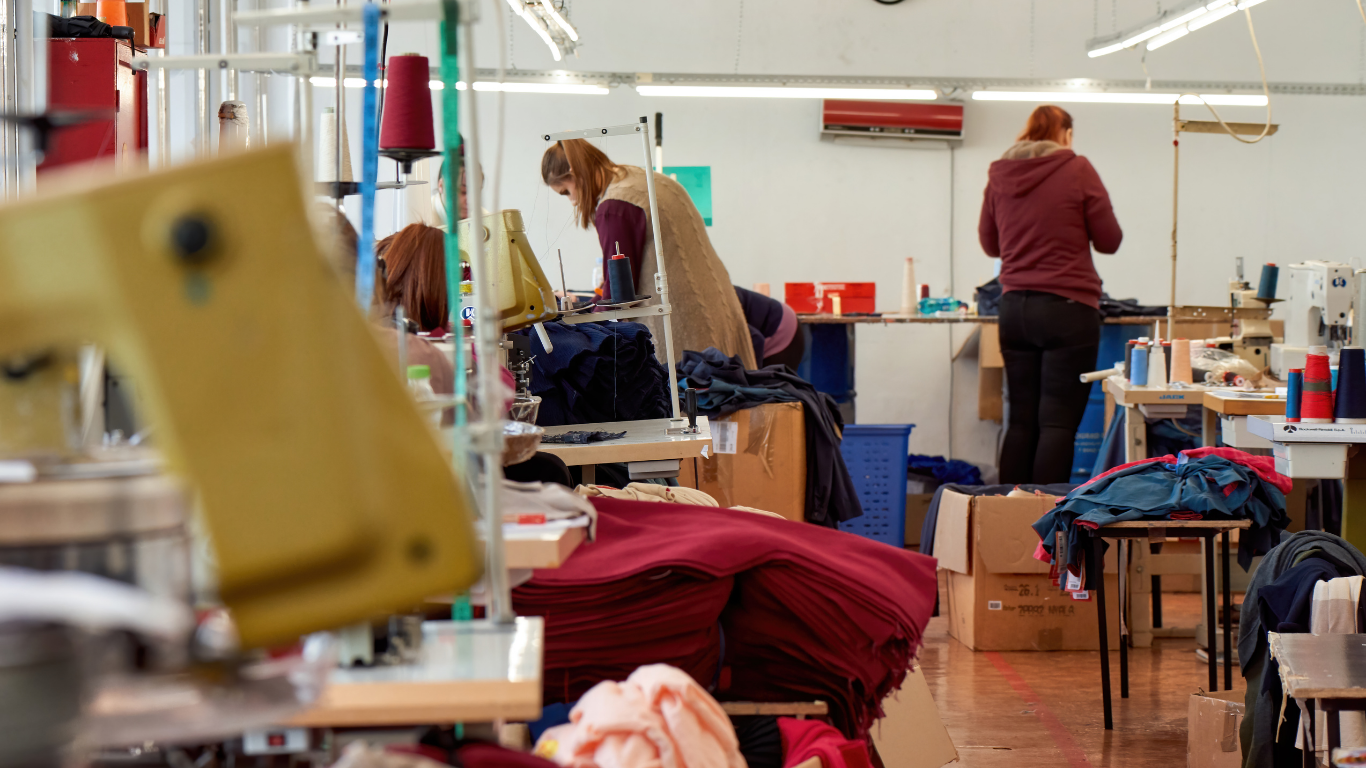
The output of that drift shows up downstream, not on the cutting table. A binding strip that is a millimeter too narrow gets flagged during quality control. A neckline collarette that is slightly off-width causes a stitching problem on the sewing floor. By the time the issue is traced back to its source, the fabric has already been wasted, and the schedule has already slipped.
Bottleneck Two: Slitting Speed and Tension That Fight the Fabric
Tubular knit fabric holds tension from every process it has already passed through: knitting, dyeing, finishing, and winding. That stored tension does not disappear on its own. McKinsey research on apparel manufacturing notes that many apparel companies still run long, laborious, and largely linear production processes, which puts them at a real disadvantage as automation reshapes the competitive landscape. Slitting is one of the clearest places that disadvantage shows up on the factory floor.
When a slitting line pulls fabric through too fast or unevenly, the material stretches. It relaxes later, after cutting, and the panel or strip distorts. This is why some factories build in an oversized safety margin: cutting a little extra fabric so a distorted edge still falls within tolerance.
That margin is not free. It is fabric that gets bought, transported, stored, and then thrown away. Left unmanaged across a full production run, inconsistent tension is one of the more expensive garment manufacturing bottlenecks, because it hides inside a cost line that looks like normal waste rather than a fixable process problem.
TL;DR: Uneven slitting tension does not just create scrap. It creates fabric that appears usable, gets cut, and only reveals its distortion once it reaches the sewing line, where the cost of correction is much higher than the cost of the fabric itself.
Bottleneck Three: Changeovers That Stall the Whole Floor
Few factories run one fabric width all day. Between garment sizes, colorways, or contract specifications, a slitting or collarette line usually needs to stop, get manually readjusted, and start again. That changeover routine, if done by hand, can take a meaningful chunk of a shift.
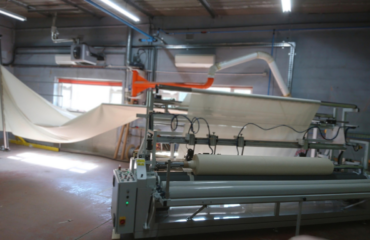
The effect compounds when slitting and the next process, such as collarette or binding cutting, run as separate, disconnected stations. Rolls move between machines by hand, which adds handling time and introduces a real risk of stretching or damaging fabric that was already tensioned correctly.
Supply chain researchers have flagged a related pattern at the macro level. NetSuite’s 2025 apparel industry report found that most fashion supply chain leaders report ongoing operational challenges, and that companies often take far longer to plan and execute a response than their sales cycle allows. A factory floor with slow, manual changeovers is essentially running the same problem in miniature, order after order.
Why Fabric Slitting Efficiency Is the Fix, Not Just a Buzzword
“Textile automation” gets used loosely, so it helps to be specific about what actually resolves the three bottlenecks above. Three mechanical questions tend to matter most:
- Edge tracking: Does the machine follow the fabric edge automatically using a sensor or photocell, or does accuracy depend on an operator’s eye?
- Tension control: Is fabric fed at a controlled, even tension, or pulled through at whatever speed the line happens to be running?
- Changeover speed: Can width or size changes happen in minutes, or does every changeover mean a near-total teardown of the cutting head?
Answering these three questions honestly is a more useful audit than asking whether a factory is “automated” in general. McKinsey’s analysis of fashion sourcing trends points out that apparel-manufacturing automation is still developing overall, but that the technologies already available show real potential to offset cost and speed disadvantages, particularly at the fabric preparation stage where manual variation does the most damage.
What This Looks Like on a Real Production Line
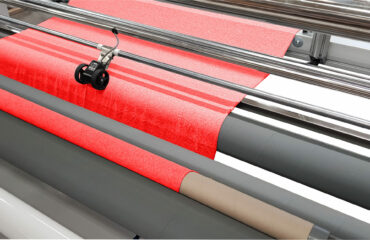
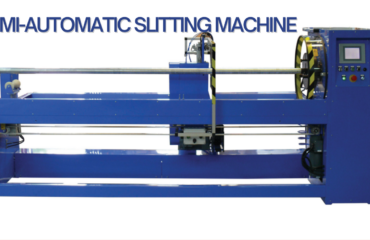
Machines built specifically for tubular knit processing offer a useful reference point. Svegea’s Euro-Collarette Series, for instance, is designed around the same three questions raised above: automated fabric guides and variable cutting speed compensate for changes in fabric tension instead of fighting them, and width adjustments on the semi-automatic models can reportedly be made in minutes rather than requiring a full mechanical reset.
This is not a claim that one machine line solves every bottleneck in every factory. Fabric type, order volume, and existing floor layout all change the calculation. The point is that tension control, edge tracking, and fast changeovers are achievable engineering targets, not aspirational ones. Any tubular knit slitting or collarette cutting setup, regardless of manufacturer, can reasonably be measured against them.
Building a Simple Bottleneck Audit
For a plant manager trying to hit a strict Q3 deadline, a full equipment overhaul is rarely the first move. A short audit usually is:
- Track how often quality control rejects panels or bindings for width or edge inconsistency over one week.
- Time an actual changeover, start to finish, rather than relying on the estimate everyone assumes is true.
- Check whether fabric tension is actively controlled during slitting or simply a byproduct of line speed.
These three data points, collected honestly, usually indicate whether the bottleneck lies in equipment, training, or workflow design before any purchasing decision is made.
TL;DR: Garment manufacturing bottlenecks are solvable, but only once they are correctly located. Manual trimming, uncontrolled slitting tension, and slow changeovers are the three most common causes. Fabric slitting efficiency, built on edge tracking, tension control, and fast setup, addresses all three directly.
Talk Through Your Specific Setup
Every factory floor is different, and the right fix depends on fabric type, order volume, and current layout. If it would help to talk through where your bottlenecks are actually coming from, Håkan Steene can walk you through the specifics. Reach him directly at h.steene@svegea.se.