The global garment industry is currently navigating a period of rapid transformation. As consumer demand for “fast fashion” evolves into a demand for “sustainable quality,” manufacturers face a difficult balancing act. You must maintain high output speeds while simultaneously reducing material waste and improving precision. At the heart of this challenge lies one critical factor: the evolution of textile machinery.
For decades, textile production relied on labor-intensive processes. However, today’s market demands a more technical approach. Modern machinery is no longer just a tool for assembly; it is the primary driver of operational efficiency and search dominance in a competitive global landscape.
The Shift Toward Specialized Automation
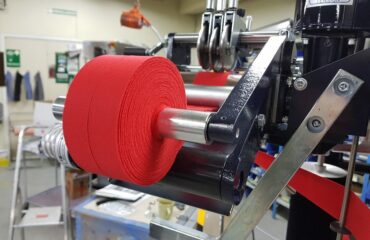
Automation is often discussed in broad strokes, but for garment manufacturers, the real value lies in specialization. Standard sewing machines are essential, yet the specialized equipment handling fabric preparation—such as slitting and winding—often determines the final margin of a product.
When you invest in high-quality textile machinery, you are not merely buying a device. You are implementing a system that minimizes human error. Manual fabric cutting often leads to irregular widths or frayed edges, which can ruin an entire production batch. In contrast, automated slitting machines provide the consistency required for high-end apparel and medical textiles.
Furthermore, the integration of smart sensors and digital controls allows operators to adjust parameters in real-time. This level of control ensures that every millimeter of fabric is accounted for, which is a significant advantage when working with expensive raw materials.
Sustainability Through Precision Slitting
Sustainability is no longer a buzzword; it is a requirement for doing business with global brands. According to the International Textile Manufacturers Federation (ITMF), reducing waste at the source is one of the most effective ways to lower the environmental footprint of a factory.
Precision is the most direct route to sustainability. In the production of t-shirts, underwear, and sportswear, “collarette” or rib-knit bindings are used extensively. If the machinery used to cut these bindings is inefficient, the “cabbage” (fabric waste) can exceed 15% of the total material.
Modern textile machinery, specifically designed for tubular knit slitting, drastically reduces this figure. By using circular blade technology and synchronized tension controls, manufacturers can extract more usable trim from the same amount of fabric. Consequently, this lowers the cost per garment and helps the manufacturer meet the strict waste-reduction targets set by organizations like the Sustainable Apparel Coalition.
The Role of Machinery in the Global Supply Chain
The textile industry is highly sensitive to logistics and lead times. If a specialized machine breaks down or operates below its rated capacity, the entire supply chain feels the ripple effect. Therefore, reliability is just as important as speed.
Modern textile machinery manufacturers are now incorporating “Industry 4.0” features. These include remote diagnostics and predictive maintenance alerts. Imagine a scenario where your slitting machine alerts your maintenance team that a blade is becoming dull before it starts ruining fabric. This proactive approach prevents costly downtime and keeps your shipments on schedule.
Moreover, the versatility of modern equipment allows manufacturers to pivot their production quickly. During the global pandemic, many garment factories shifted to producing medical PPE almost overnight. Those with flexible textile machinery—machines that could be easily recalibrated for different fabric weights and widths—were the ones that survived and thrived during the transition.
Choosing the Right Equipment for Your Facility
When selecting new textile machinery, many owners make the mistake of looking only at the initial purchase price. However, the Total Cost of Ownership (TCO) is a much more accurate metric.
A cheaper, generic machine may save money upfront. However, if it consumes more power, produces more waste, or requires frequent repairs, it will eventually become more expensive than a premium Swedish-engineered machine. When evaluating your options, consider these three factors:
-
Output Consistency: Does the machine maintain the same quality at hour one as it does at hour twenty?
-
Spare Parts Availability: Is the manufacturer established? Can they ship critical components quickly to prevent downtime?
-
Scalability: Can the machine be integrated into an automated workflow, or is it a “standalone” island that will eventually limit your growth?
The Future: AI and Textile Manufacturing
The next frontier for textile machinery is the integration of Artificial Intelligence. While we are still in the early stages, AI is beginning to play a role in fabric defect detection and optimized cutting patterns. AI algorithms can analyze a roll of fabric and determine the most efficient slitting path to avoid known defects, further pushing the boundaries of what “zero waste” looks like.
For manufacturers in the Asian and European markets, staying informed about these technological shifts is essential. The gap between “traditional” factories and “smart” factories is widening. To remain a preferred partner for global brands, you must demonstrate a commitment to using the best technology available.
Spotlight: The Svegea EC-300 Collarette Cutter
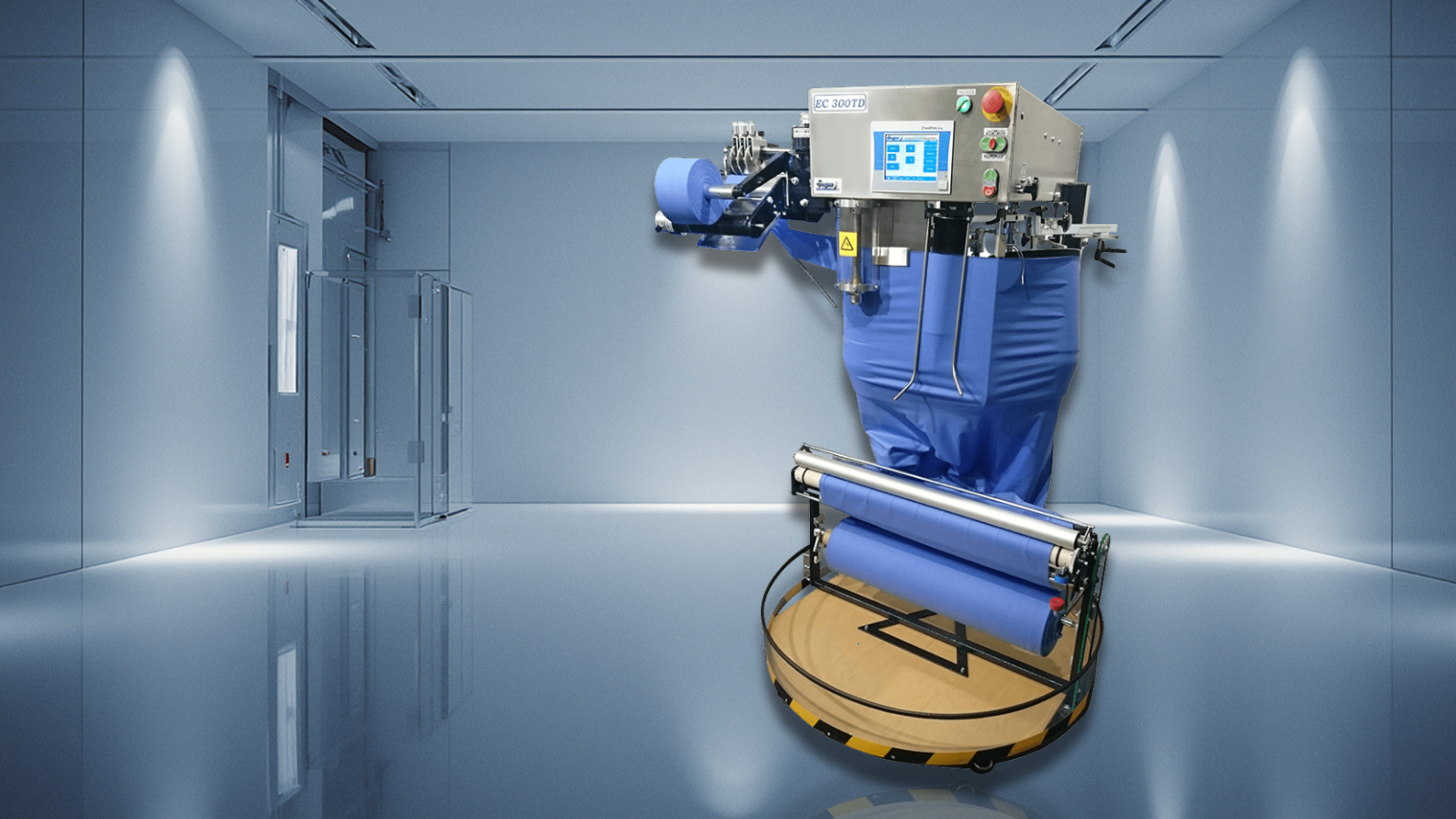
To understand the impact of specialized machinery, one should look at innovations emerging from Sweden. Svegea of Sweden has been a leader in this niche for about 74 years. Their flagship machine, the Svegea EC-300, represents the pinnacle of efficiency for manufacturers specializing in knitwear.
The EC-300 is an automatic collarette cutting machine designed specifically to produce trim-feed for high-speed sewing lines. What makes it unique is its ability to handle tubular fabrics with varying degrees of elasticity without distorting the material.
Key Features of the EC-300 include:
-
Dual-track cutting: This allows simultaneous cutting of two different binding widths, doubling the output without increasing the floor space required.
-
Automated Tension Control: The machine senses the weight and stretch of the fabric, adjusting the feed speed automatically to prevent “necking” or stretching.
-
User-Friendly Interface: Modern operators can program specific jobs into the system, ensuring that the same specifications are met every time, regardless of who is operating the machine.
By integrating a machine like the EC-300 into a production line, a factory can move from manual, inconsistent trimming to a streamlined, high-volume operation.
The Backbone of the Global Garment Industry
Textile machinery is the backbone of the global garment industry. From the precision of the Svegea EC-300 to the broad efficiencies of automated winding systems, the right equipment allows you to produce more, waste less, and grow faster. In an era where margins are thin and expectations are high, your machinery is your most significant competitive advantage.
If you are looking to upgrade your production capabilities or need expert advice on the best slitting and cutting solutions for your facility, help is available.
Contact for Inquiries: For personalized consultations and technical details on how Swedish-engineered textile machinery can transform your output, please reach out to:
Hakan Steene, Managing Director, Svegea of Sweden
Email: h.steene@svegea.se