
Textile trends in 2026 promise big changes for garment and textile manufacturers in India, the USA, and South America. Manufacturers must adapt to sustainability demands and smart innovations now. These shifts will shape production lines and profits.
Sustainability Leads the Way
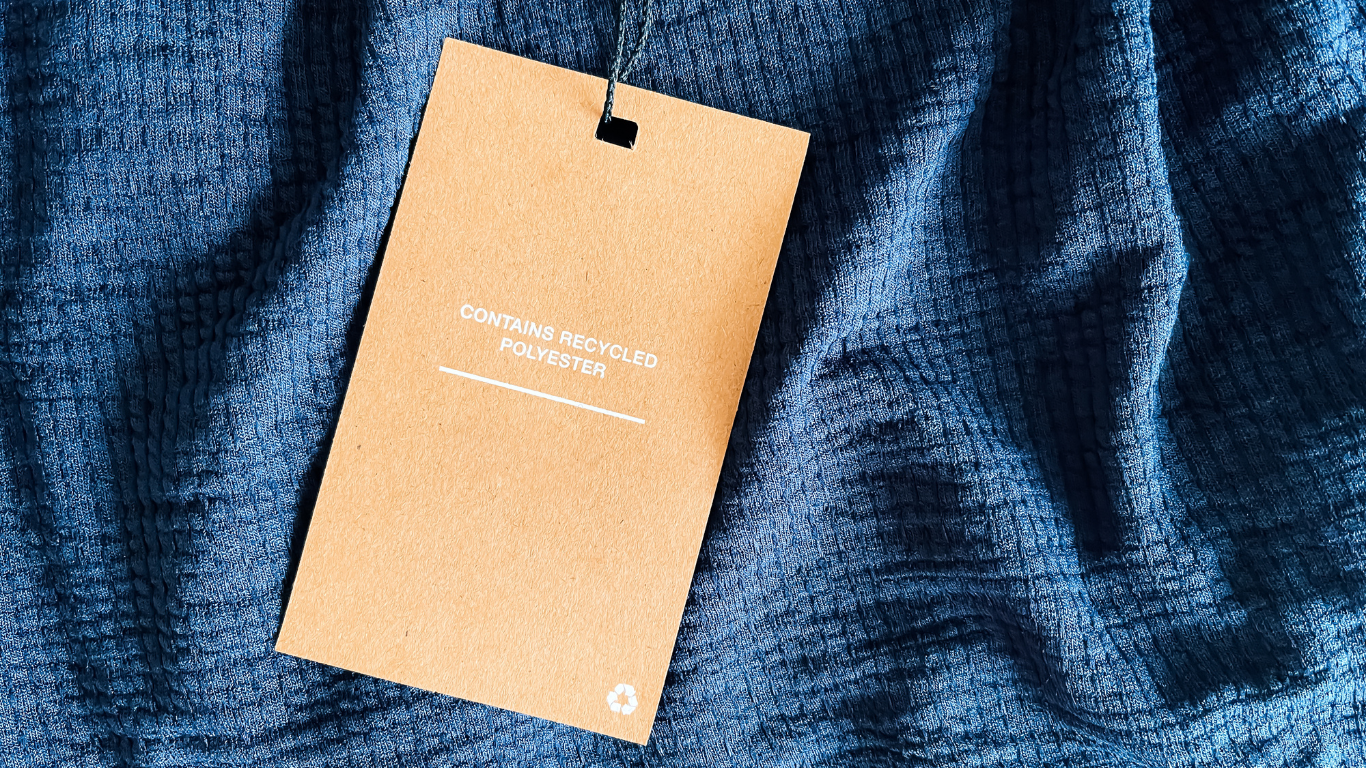
Eco-friendly fabrics top textile trends in 2026. Recycled polyester and nylon grow fast, pushed by EU rules for recyclable clothes by 2030. Lyocell markets double to $3.4 billion by 2032 from closed-loop processes. Blends of hemp or recycled cotton appear in activewear. For that reason, factories upgrade to meet global standards.

Bio-based materials surge too. Mycelium leather hits $336 million by 2033, used by brands like Stella McCartney. Banana fiber from waste stems spins into strong cloth. These options cut carbon footprints sharply. Indian exporters eye Europe amid US tariffs, where 29% of $38 billion exports went last year. Portugal’s Porto hub blends craft with tech for high-end textiles. Thus, manufacturers gain an edge in competitive markets.
Smart and Technical Textiles Rise
The technical textiles boom is expected to grow by $481 billion by 2035 at a 6.55% CAGR. Smart fabrics with sensors and energy-harvesting tech lead textile trends in 2026. AI detects defects early, cuts waste. Nano-engineered materials boost performance in autos and medical gear. Demand from construction drives growth.
In the USA and India, wearable tech integrates into apparel. Phase-change fabrics regulate temperature. Portugal firms innovate with full value chains nearby. As a result, production speeds up. Global fiber output nears 160 million tonnes by 2030, but recycled shares must climb. Factories that adopt these stay ahead.
Aesthetic Shifts Reshape Designs
Dots dominate prints with +55% growth in Europe for big dots. Brut denim rises +10%, raw and stiff for authentic looks. Romantic fabrics like lace skirts grow +20% in the EU, +13% in the USA. Checked patterns adapt to summer, zebra prints hit +21%.
Textures return strong. Ruffles and bubble hems trend +20%. Purple hues from lilac to plum add vibrancy. Creamy yellows like vanilla become neutrals. Textile trends in 2026 mix these with sustainability. Manufacturers layer them into versatile lines. Runways from Dior to Zimmerman prove demand.
Regional Impacts for Manufacturers
India faces US tariffs, so exporters cut prices and shift to the EU’s $137 billion trade. Facilities upgrade for ethical sourcing. USA buyers push recycled content amid consumer surveys showing 60% prioritize green. Portugal excels in quality home textiles at events like Intertex 2026.
Challenges persist, like low recycling rates under 1% for textiles. Yet opportunities abound in bio-leathers and cellulosics. Therefore, cross-border partnerships thrive. Technical markets hit $271 billion in 2026. Demographics demand scalable, eco-tech solutions now.
Future-Proof Your Production
Textile trends in 2026 demand action from manufacturers. Bold colors, animal prints, and smart hybrids redefine wardrobes. Investments in circular tech pay off long-term. Regulations force shifts, but innovators win big.
Ready to lead? Partner with Svegea of Sweden for precision cutting machines that slash waste and boost efficiency. Our 70-year expertise in sustainable textile production fits India, the USA, and Portugal perfectly. Contact us to upgrade your lines and capture 2026 trends. Act now for greener, faster output.